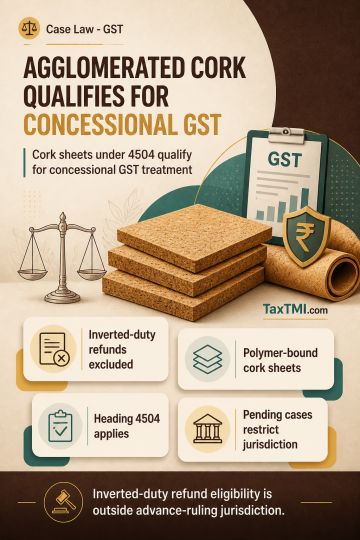
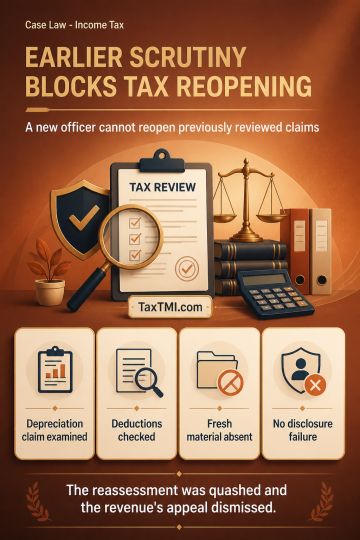
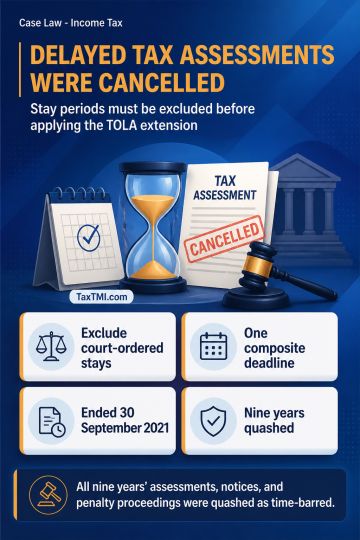
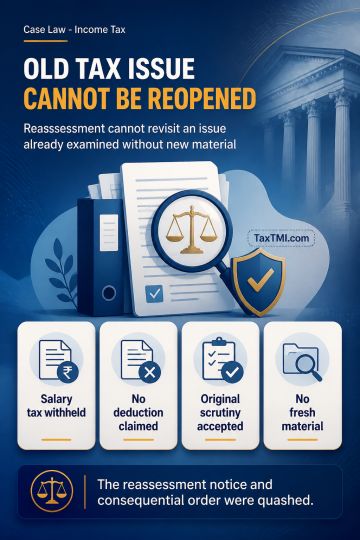
Capital-gains exemption for charitable trusts extends to qualifying fixed deposits, while unrecoverable TDS write-offs may constitute income applicati...
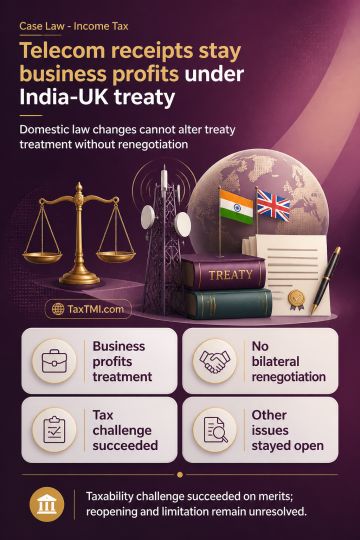
India-UK treaty characterisation of telecom-service receipts as business profits withstands unilateral domestic-law amendments for Indian tax purposes...
Page of 4868
Press 'Enter' after typing page number.
1 to 20 of 97343 Results
❮
❯
❯❯
0 / 200
Expand Note
Add to Folder
No Folders have been created
+
Are you sure you want to delete "My most important" ?
The AT upheld the DGAP's finding that the respondent failed to pass on a commensurate reduction in GST on restaurant services, concluding the statutory rebuttable presumption under s.171 CGST Act was not discharged and that the investigating authority permissibly examined all products supplied by the registered person. The Tribunal held the respondent violated s.171(1) (and thereby contravened s.171(3A)) by denying tax-rate benefits to consumers. However, because s.171(3A)'s penal provision took effect after the period of contravention, the AT declined to impose the retrospective penal sanction; liability for the breach was affirmed but no penalty was imposed under the later-enacted provision.
The AT upheld the DGAP's finding that the respondent failed to pass on a commensurate reduction in GST on restaurant services, concluding the statutory rebuttable presumption under s.171 CGST Act was not discharged and that the investigating authority permissibly examined all products supplied by the registered person. The Tribunal held the respondent violated s.171(1) (and thereby contravened s.171(3A)) by denying tax-rate benefits to consumers. However, because s.171(3A)'s penal provision took effect after the period of contravention, the AT declined to impose the retrospective penal sanction; liability for the breach was affirmed but no penalty was imposed under the later-enacted provision.
Note: It is a system-generated summary and is for quick reference only.
 TaxTMI
  TaxTMI