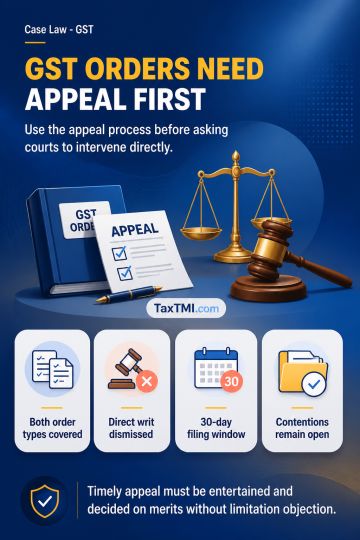
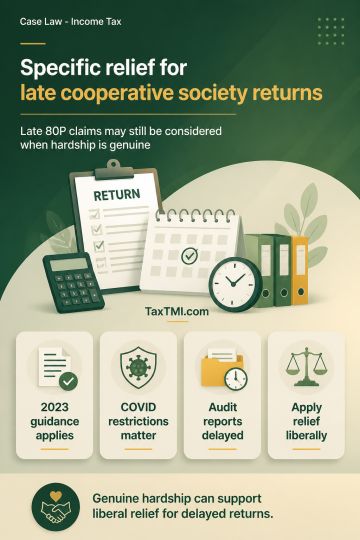
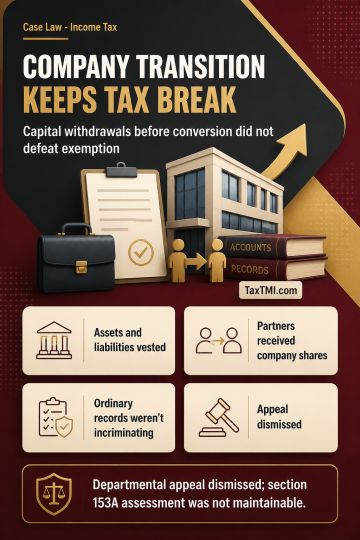
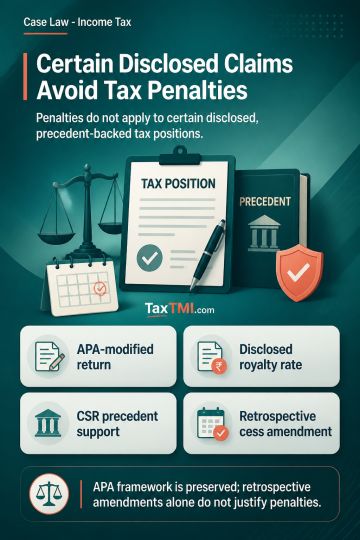
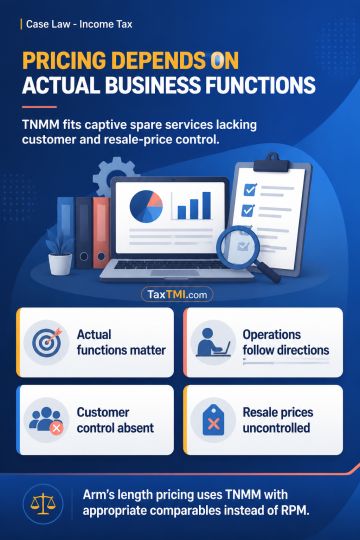
Faceless assessment and registration procedures are updated through electronic communication, revised recovery rules, extended deadlines, and replacem...
Risk-based selective vessel boarding requires accurate declarations and preserves master and agent liability where physical inspections are not select...
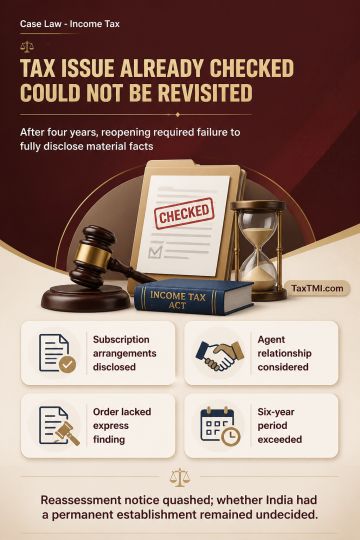
Permanent-establishment reassessment cannot revisit scrutinised disclosures; extended reopening fails without undisclosed material facts and within st...
Penalty levied u/s 271(1)(c) for concealment of income was challenged. The Assessing Officer (AO) alleged that the assessee understated turnover and concealed income based on the difference between the original return and the revised return filed pursuant to a notice u/s 148 after a survey. However, the AO failed to record the original returned income and the revised returned income in the assessment order or penalty order, making it impossible to determine the concealed amount. The AO merely made a bald statement about understated turnover without substantiating the deliberate underestimation of income. Mere projected financials found during the survey and recorded statements cannot justify the penalty unless the assessee deliberately suppressed income. The Appellate Tribunal held that since the AO failed to demonstrate deliberate underestimation of income by the assessee, the inference of concealment was unjustified. Consequently, the penalty was deleted in favor of the assessee.
Penalty levied u/s 271(1)(c) for concealment of income was challenged. The Assessing Officer (AO) alleged that the assessee understated turnover and concealed income based on the difference between the original return and the revised return filed pursuant to a notice u/s 148 after a survey. However, the AO failed to record the original returned income and the revised returned income in the assessment order or penalty order, making it impossible to determine the concealed amount. The AO merely made a bald statement about understated turnover without substantiating the deliberate underestimation of income. Mere projected financials found during the survey and recorded statements cannot justify the penalty unless the assessee deliberately suppressed income. The Appellate Tribunal held that since the AO failed to demonstrate deliberate underestimation of income by the assessee, the inference of concealment was unjustified. Consequently, the penalty was deleted in favor of the assessee.
Note: It is a system-generated summary and is for quick reference only.
 TaxTMI
  TaxTMI