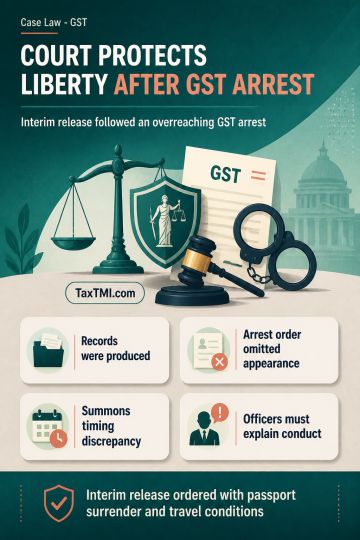
Personal liberty safeguards restrict arrest after court-directed GST appearance, requiring interim release where authorities overreach pending proceed...
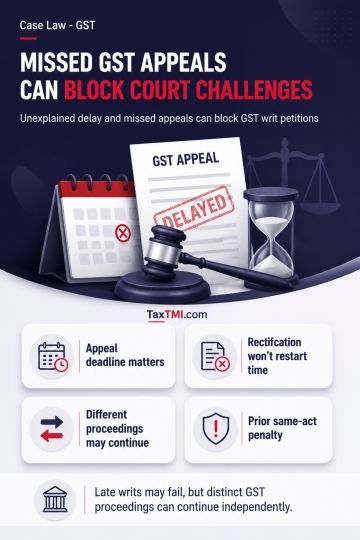
Alternative statutory remedy and delay bar GST writ challenges despite pending rectification, while distinct subject matter permits parallel proceedin...
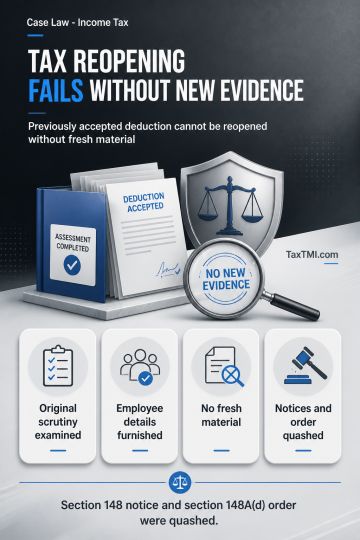
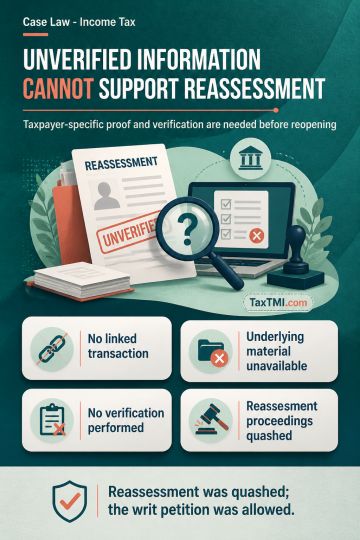
Unverified Insight Portal Information Cannot Justify Reassessment Without a Verified Taxpayer-Specific Income-Escape Nexus or Demonstrated Application...
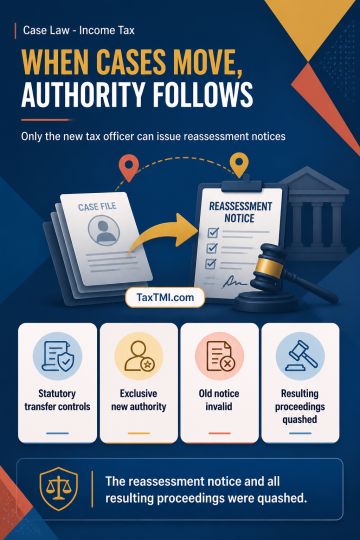
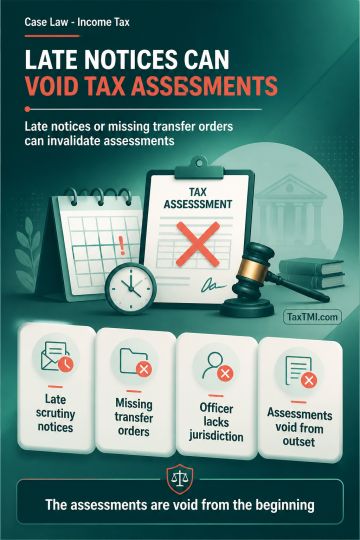
Assessing Officer jurisdiction after statutory transfer invalidates reassessment notices issued by transferor officers and nullifies resulting proceed...
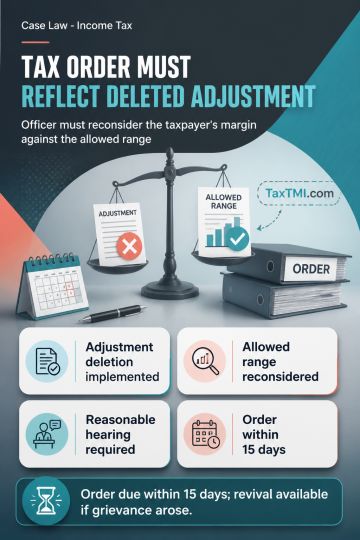
Consequential appeal-effect orders must implement rectification deleting working-capital adjustments and reconsider the resulting arm's-length range c...
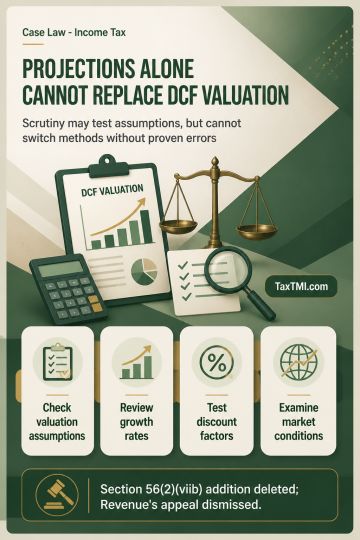
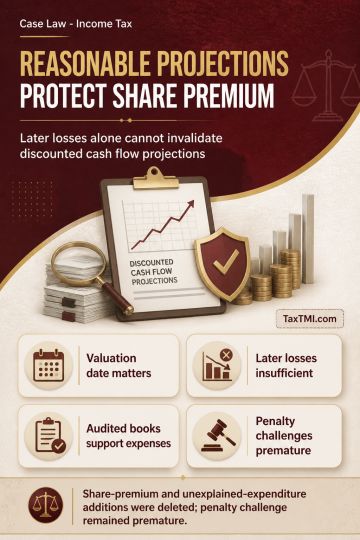
Discounted cash flow valuation protects share premium where projections are reasonable, while audited book expenses defeat unexplained-expenditure add...
In the case before ITAT Delhi, the issue pertained to the addition u/s 68 concerning the taxability of unsecured loans. The tribunal held that the Assessing Officer (AO) failed to conduct an independent inquiry as the assessee did not provide necessary details. The CIT(A) did not investigate or allow the AO to verify the creditworthiness of the parties and the genuineness of the transactions. Referring to legal precedents, the tribunal emphasized that proving the identity of creditors, genuineness of transactions, and creditworthiness discharges the assessee's burden. The burden then shifts to the revenue to prove ownership of the amounts. The tribunal concluded that the documents filed by the assessee were not adequately examined, warranting a reasonable opportunity for the assessee to address any shortcomings. The Revenue's appeal was allowed for statistical purposes.
In the case before ITAT Delhi, the issue pertained to the addition u/s 68 concerning the taxability of unsecured loans. The tribunal held that the Assessing Officer (AO) failed to conduct an independent inquiry as the assessee did not provide necessary details. The CIT(A) did not investigate or allow the AO to verify the creditworthiness of the parties and the genuineness of the transactions. Referring to legal precedents, the tribunal emphasized that proving the identity of creditors, genuineness of transactions, and creditworthiness discharges the assessee's burden. The burden then shifts to the revenue to prove ownership of the amounts. The tribunal concluded that the documents filed by the assessee were not adequately examined, warranting a reasonable opportunity for the assessee to address any shortcomings. The Revenue's appeal was allowed for statistical purposes.
Note: It is a system-generated summary and is for quick reference only.
 TaxTMI
  TaxTMI