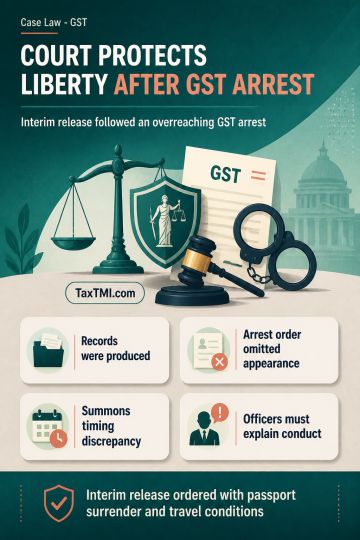
Personal liberty safeguards restrict arrest after court-directed GST appearance, requiring interim release where authorities overreach pending proceed...
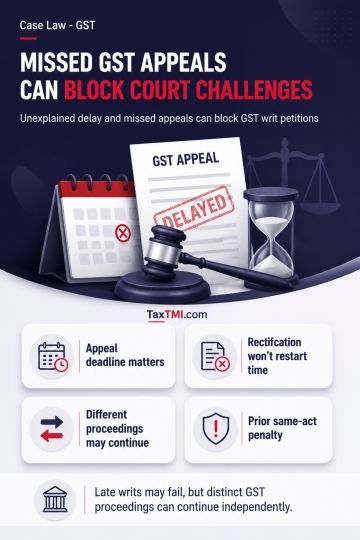
Alternative statutory remedy and delay bar GST writ challenges despite pending rectification, while distinct subject matter permits parallel proceedin...
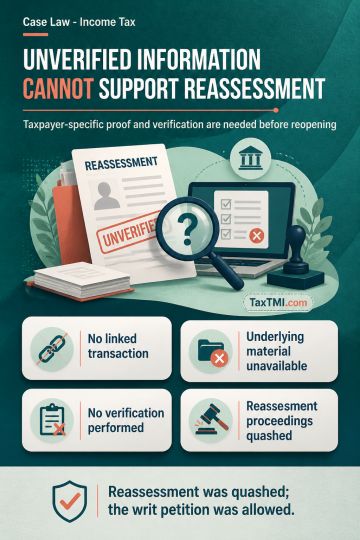
Unverified Insight Portal Information Cannot Justify Reassessment Without a Verified Taxpayer-Specific Income-Escape Nexus or Demonstrated Application...
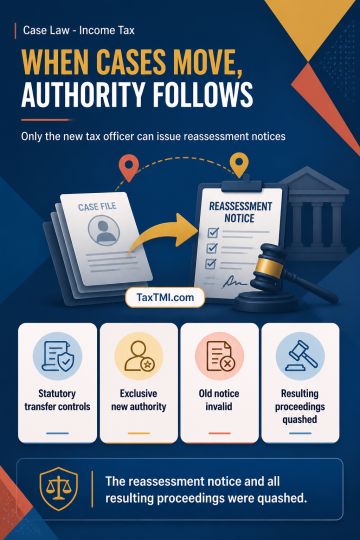
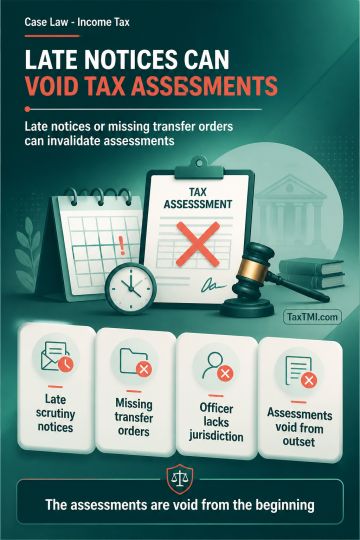
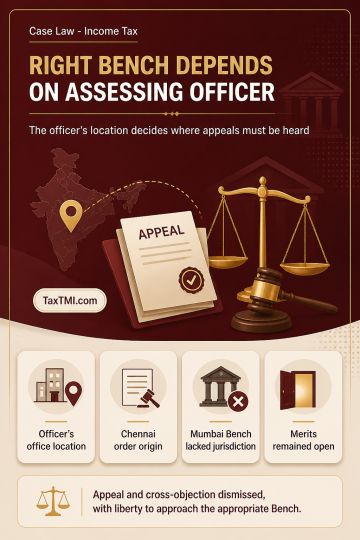
Assessing Officer jurisdiction after statutory transfer invalidates reassessment notices issued by transferor officers and nullifies resulting proceed...
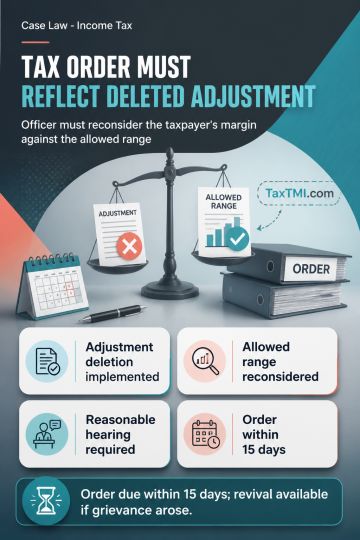
Consequential appeal-effect orders must implement rectification deleting working-capital adjustments and reconsider the resulting arm's-length range c...
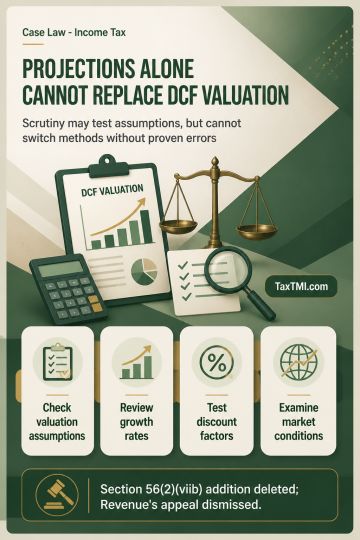
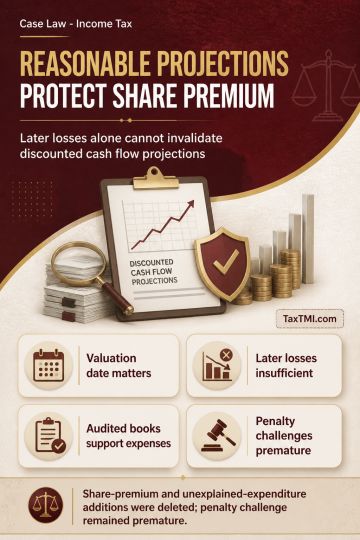
Discounted cash flow valuation protects share premium where projections are reasonable, while audited book expenses defeat unexplained-expenditure add...
Nature of receipt - amount received under the Deed for restrictive covenant - revenue or capital receipt - ITAT, CIT and the AO have proceeded on an erroneous footing that the company came into existence only on 22nd June, 2000 and the assessee was inducted into its employment on 30th June, 2000 and therefore it was not feasible and it is inconceivable that appellant can be a privy to the business secrets of the company within a period of eight days of his employment. The deed of negative covenant does not provide or even indicate that appellant was privy to the business secrets of the company within a period of eight days - No material has been brought on record to show that the negative covenant agreement is a sham agreement. - HC
Nature of receipt - amount received under the Deed for restrictive covenant - revenue or capital receipt - ITAT, CIT and the AO have proceeded on an erroneous footing that the company came into existence only on 22nd June, 2000 and the assessee was inducted into its employment on 30th June, 2000 and therefore it was not feasible and it is inconceivable that appellant can be a privy to the business secrets of the company within a period of eight days of his employment. The deed of negative covenant does not provide or even indicate that appellant was privy to the business secrets of the company within a period of eight days - No material has been brought on record to show that the negative covenant agreement is a sham agreement. - HC
Note: It is a system-generated summary and is for quick reference only.
 TaxTMI
  TaxTMI