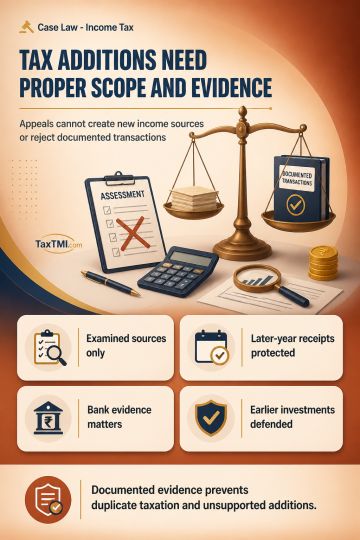
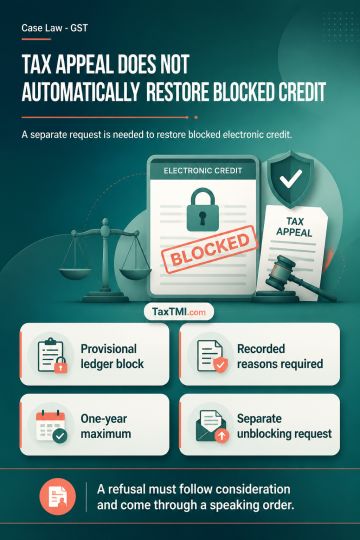
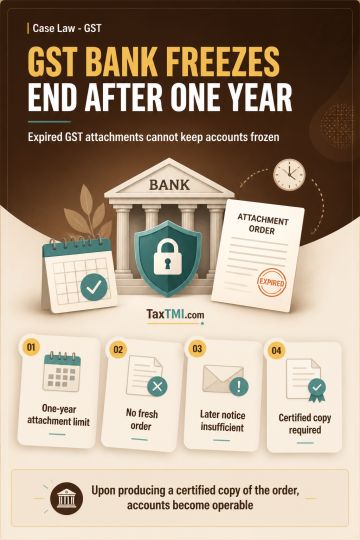
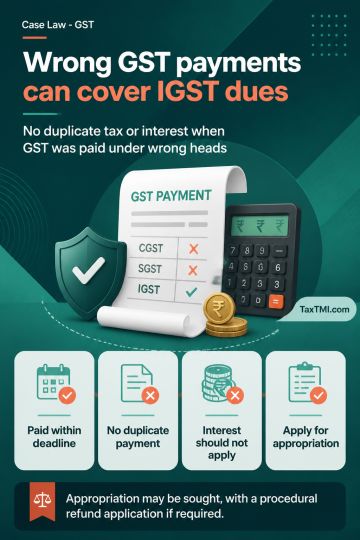
Appellate enhancement limits protect against new income sources, while documented credits and prior-year investments resist unexplained-income additio...
Capital-gains exemption for charitable trusts extends to qualifying fixed deposits, while unrecoverable TDS write-offs may constitute income applicati...
Page of 4868
Press 'Enter' after typing page number.
1 to 20 of 97344 Results
❮
❯
❯❯
0 / 200
Expand Note
Add to Folder
No Folders have been created
+
Are you sure you want to delete "My most important" ?
Deemed dividend under section 2(22)(e) was held inapplicable where loans from a closely held company were advanced in the ordinary course of its substantial money-lending business. The Tribunal's factual findings, based on the TDS certificate and ledger account, showed that the assessee paid interest on the borrowings and did not receive any gratuitous benefit from the company. Following the assessee's earlier year on identical facts, the Court accepted that money-lending formed a substantial part of the lender's business and that such advances fell outside the deemed dividend provision. As these conclusions were purely factual, no substantial question of law arose and the Revenue's appeal was dismissed.
Deemed dividend under section 2(22)(e) was held inapplicable where loans from a closely held company were advanced in the ordinary course of its substantial money-lending business. The Tribunal's factual findings, based on the TDS certificate and ledger account, showed that the assessee paid interest on the borrowings and did not receive any gratuitous benefit from the company. Following the assessee's earlier year on identical facts, the Court accepted that money-lending formed a substantial part of the lender's business and that such advances fell outside the deemed dividend provision. As these conclusions were purely factual, no substantial question of law arose and the Revenue's appeal was dismissed.
Note: It is a system-generated summary and is for quick reference only.
 TaxTMI
  TaxTMI