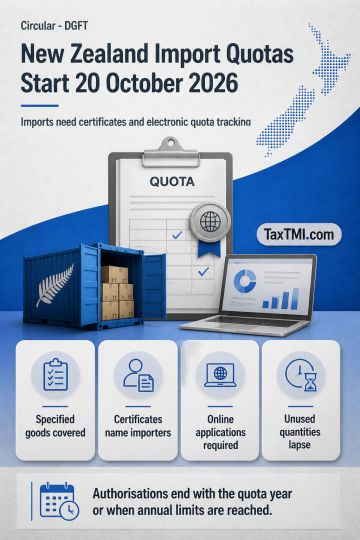
Tariff rate quota authorisations govern preferential imports of specified New Zealand goods through export certification and electronic customs debiti...
Electronic Continuity Bond Registration replaces manual container permissions, with quarterly reporting and re-export monitoring for duty-free contain...
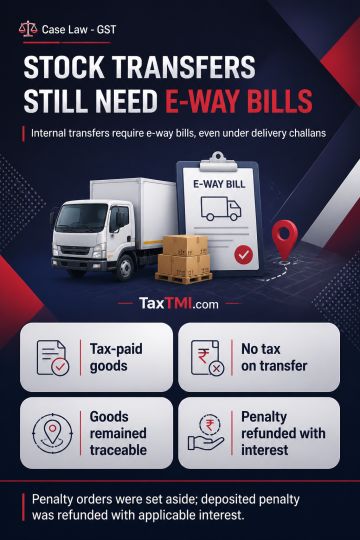
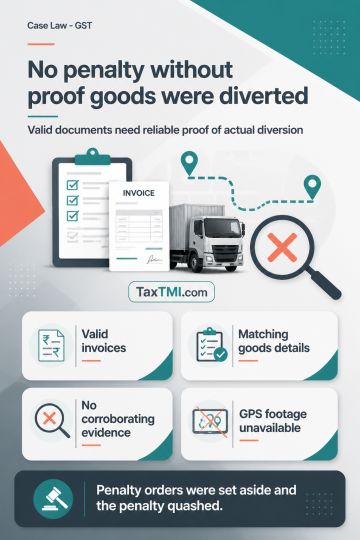
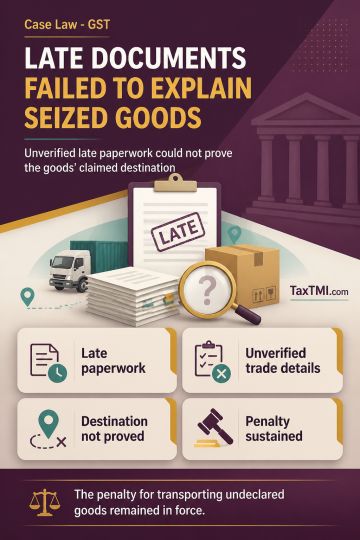
Delayed transport documents failed to validate intercepted goods, sustaining transit-state penalties where the claimed interstate destination remained...
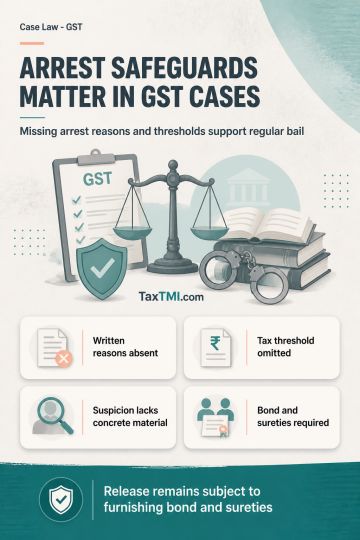
Sections 69 and 132 of the CGST Act are addressed in relation to regular bail for allegations of fraudulent invoices, wrongful input tax credit, falsified records and shell entities. Arrest requires recorded reasons to believe tax evasion or the specified conditions under section 132. The absence of those reasons in the arrest authorisation and memo, together with omission of the applicable tax-evasion threshold relevant to conviction, is treated as indicating suspicion rather than concrete material. These deficiencies support release on regular bail, subject to furnishing a bond and sureties.
Sections 69 and 132 of the CGST Act are addressed in relation to regular bail for allegations of fraudulent invoices, wrongful input tax credit, falsified records and shell entities. Arrest requires recorded reasons to believe tax evasion or the specified conditions under section 132. The absence of those reasons in the arrest authorisation and memo, together with omission of the applicable tax-evasion threshold relevant to conviction, is treated as indicating suspicion rather than concrete material. These deficiencies support release on regular bail, subject to furnishing a bond and sureties.
Note: It is a system-generated summary and is for quick reference only.
 TaxTMI
 TaxTMI