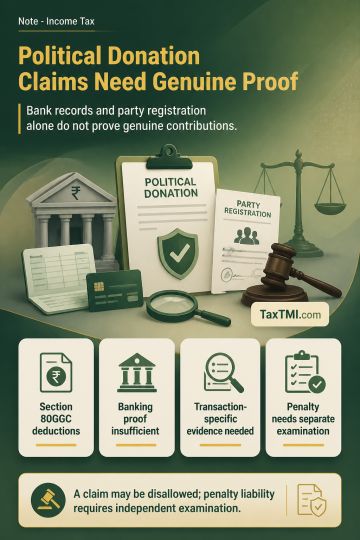
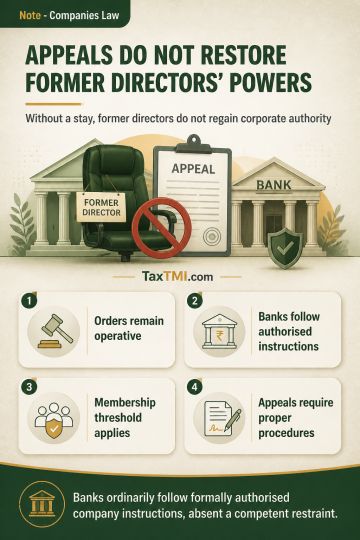
Political contribution deductions require genuine transactions; banking records and party registration alone cannot defeat evidence of accommodation e...
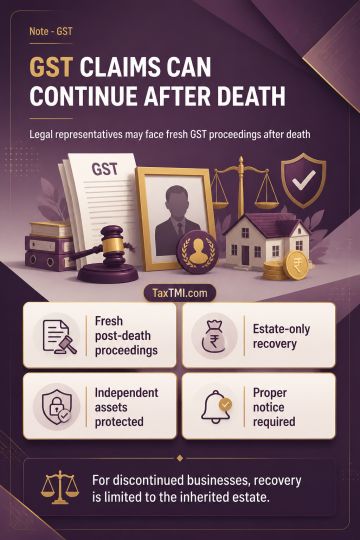
Post-death GST liability permits fresh proceedings against legal representatives, while discontinued-business recovery remains limited to the inherite...
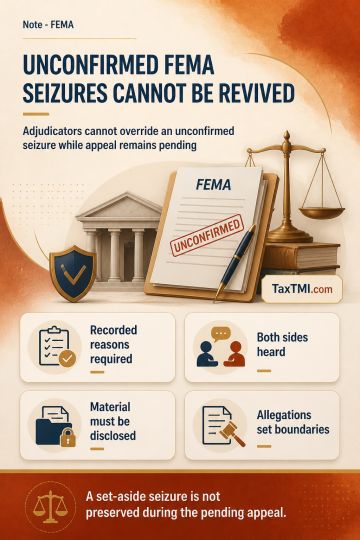
Non-confirmation of FEMA seizure prevents adjudicators from overriding pending appellate findings on recorded reasons and suspected foreign asset hold...
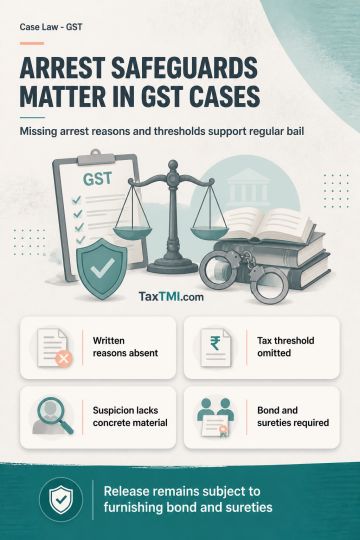
Sections 69 and 132 of the CGST Act are addressed in relation to regular bail for allegations of fraudulent invoices, wrongful input tax credit, falsified records and shell entities. Arrest requires recorded reasons to believe tax evasion or the specified conditions under section 132. The absence of those reasons in the arrest authorisation and memo, together with omission of the applicable tax-evasion threshold relevant to conviction, is treated as indicating suspicion rather than concrete material. These deficiencies support release on regular bail, subject to furnishing a bond and sureties.
Sections 69 and 132 of the CGST Act are addressed in relation to regular bail for allegations of fraudulent invoices, wrongful input tax credit, falsified records and shell entities. Arrest requires recorded reasons to believe tax evasion or the specified conditions under section 132. The absence of those reasons in the arrest authorisation and memo, together with omission of the applicable tax-evasion threshold relevant to conviction, is treated as indicating suspicion rather than concrete material. These deficiencies support release on regular bail, subject to furnishing a bond and sureties.
Note: It is a system-generated summary and is for quick reference only.
 TaxTMI
  TaxTMI