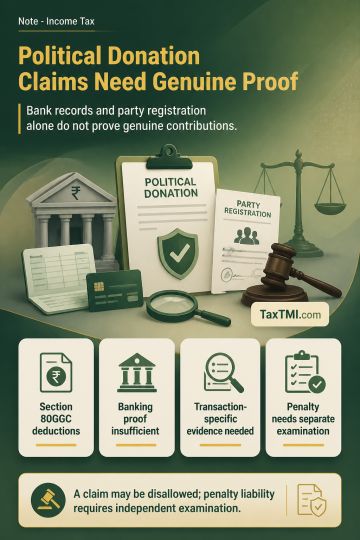
Political contribution deductions require genuine transactions; banking records and party registration alone cannot defeat evidence of accommodation e...
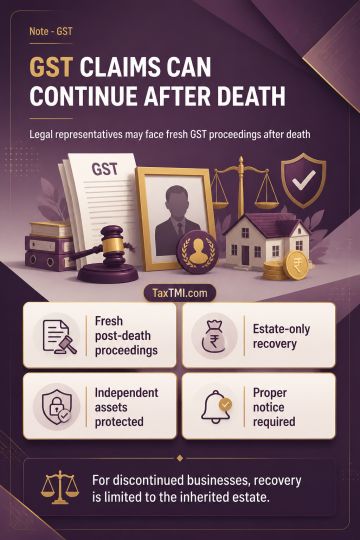
Post-death GST liability permits fresh proceedings against legal representatives, while discontinued-business recovery remains limited to the inherite...
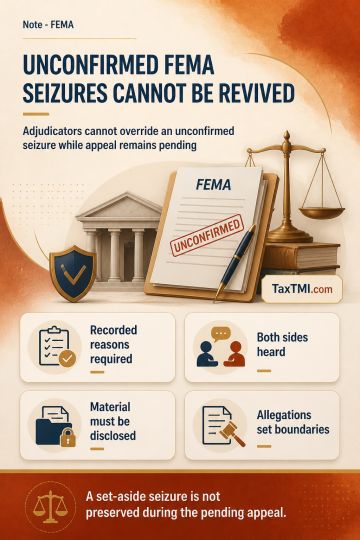
Non-confirmation of FEMA seizure prevents adjudicators from overriding pending appellate findings on recorded reasons and suspected foreign asset hold...
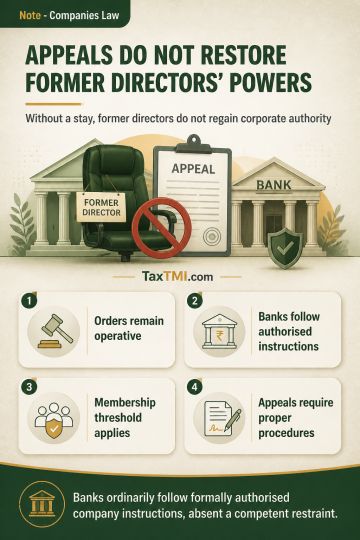
The Appellate Tribunal treated the square-off of receivables as a related party preferential transaction within the relevant look-back period under the insolvency framework. It found that the appellant, as director and key managerial person, controlled the entities involved, that the adjustment was recorded within two years of the insolvency commencement date, and that accounting entries could amount to transfer of property by extinguishing the corporate debtor's receivable. The Tribunal also rejected the ordinary course of business defence because the set-off bypassed banking channels, lacked authorisation, and selectively settled the appellant's dues while other creditors remained unpaid. The impugned transaction was therefore liable to be avoided.
The Appellate Tribunal treated the square-off of receivables as a related party preferential transaction within the relevant look-back period under the insolvency framework. It found that the appellant, as director and key managerial person, controlled the entities involved, that the adjustment was recorded within two years of the insolvency commencement date, and that accounting entries could amount to transfer of property by extinguishing the corporate debtor's receivable. The Tribunal also rejected the ordinary course of business defence because the set-off bypassed banking channels, lacked authorisation, and selectively settled the appellant's dues while other creditors remained unpaid. The impugned transaction was therefore liable to be avoided.
Note: It is a system-generated summary and is for quick reference only.
 TaxTMI
  TaxTMI