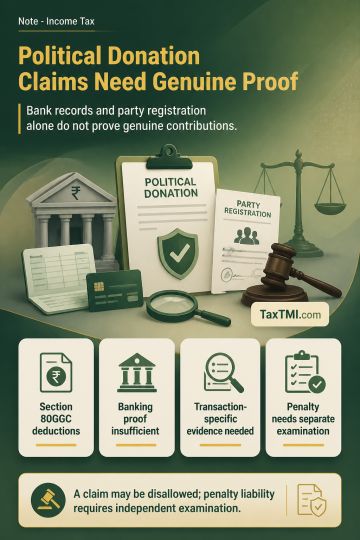
Political contribution deductions require genuine transactions; banking records and party registration alone cannot defeat evidence of accommodation e...
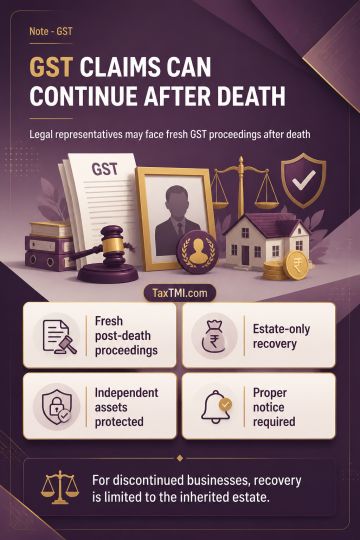
Post-death GST liability permits fresh proceedings against legal representatives, while discontinued-business recovery remains limited to the inherite...
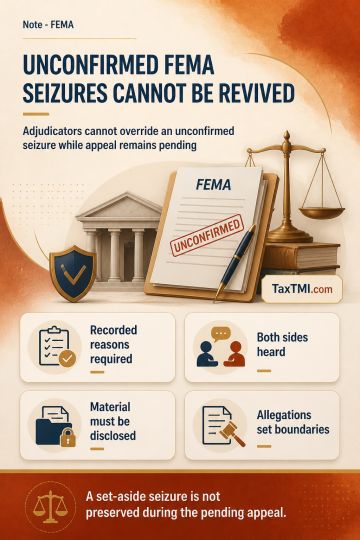
Non-confirmation of FEMA seizure prevents adjudicators from overriding pending appellate findings on recorded reasons and suspected foreign asset hold...
CESTAT allowed the appeal filed by M/s X against denial of exemption under Customs N/N. 57/2017 dated 30.06.2017. It held that the imported Mechanical Electrical Assembly Front qualifies as "Display Assembly" for use in manufacture of cellular mobile phones under serial no. 6(a)(iv) of the notification. Inclusion of a nondetachable battery and other additional components (receiver, PCBA, vibration motor) in the assembly does not alter its essential character as a display assembly nor deprive it of exemption. The Tribunal found no evidentiary basis for the department's reliance on "common trade parlance" and reiterated that exemption must be determined strictly on the plain language of the notification, without importing external policy documents or presumed intent. The impugned order of the lower authority was set aside and the customs duty demand and consequential liabilities were quashed.
CESTAT allowed the appeal filed by M/s X against denial of exemption under Customs N/N. 57/2017 dated 30.06.2017. It held that the imported Mechanical Electrical Assembly Front qualifies as "Display Assembly" for use in manufacture of cellular mobile phones under serial no. 6(a)(iv) of the notification. Inclusion of a nondetachable battery and other additional components (receiver, PCBA, vibration motor) in the assembly does not alter its essential character as a display assembly nor deprive it of exemption. The Tribunal found no evidentiary basis for the department's reliance on "common trade parlance" and reiterated that exemption must be determined strictly on the plain language of the notification, without importing external policy documents or presumed intent. The impugned order of the lower authority was set aside and the customs duty demand and consequential liabilities were quashed.
Note: It is a system-generated summary and is for quick reference only.
 TaxTMI
  TaxTMI