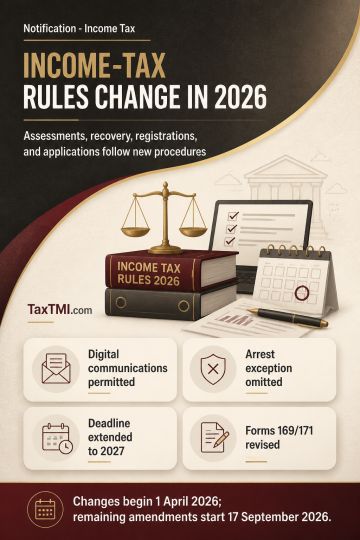
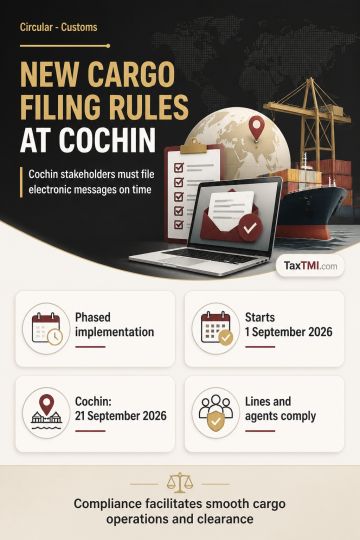
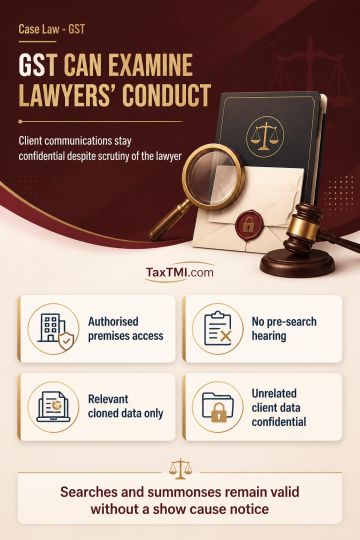
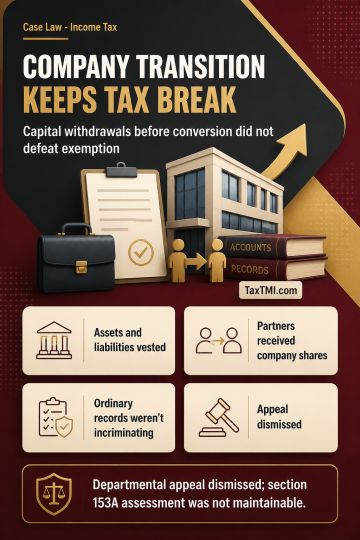
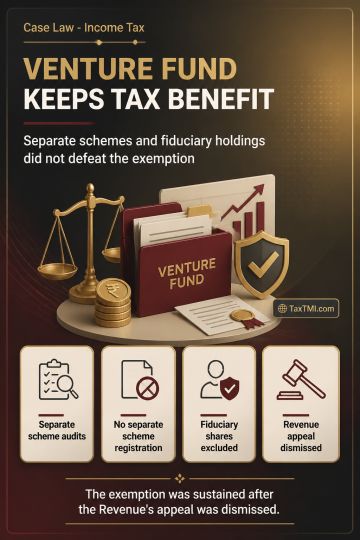
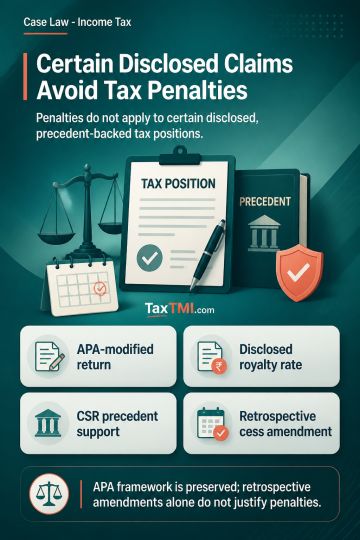
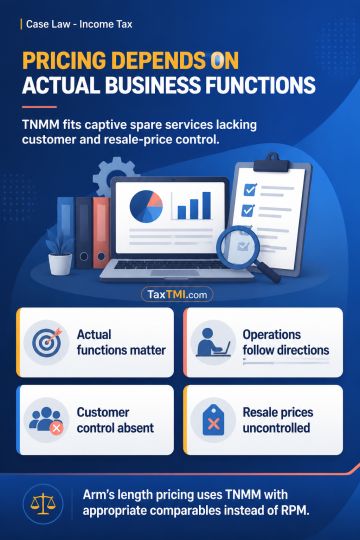
Faceless assessment and registration procedures are updated through electronic communication, revised recovery rules, extended deadlines, and replacem...
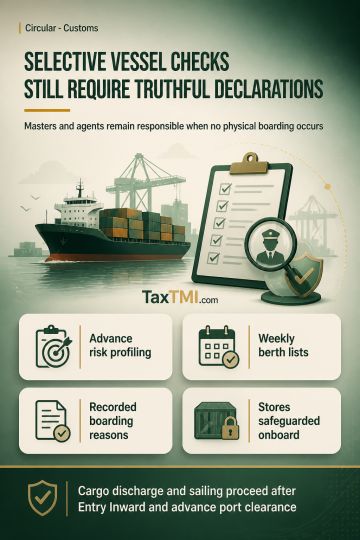
Risk-based selective vessel boarding requires accurate declarations and preserves master and agent liability where physical inspections are not select...
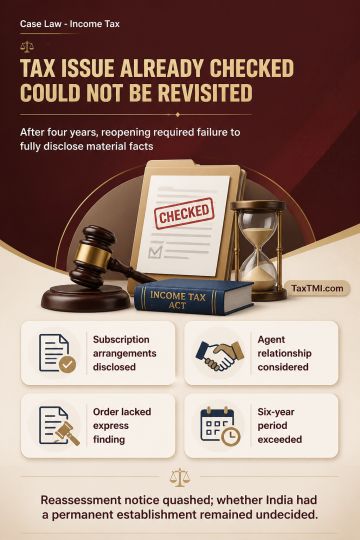
Permanent-establishment reassessment cannot revisit scrutinised disclosures; extended reopening fails without undisclosed material facts and within st...
The seized gold lacked foreign inscriptions, embossments, or 99.9% purity, and the seizure memo did not mention the officer's reasonable belief that the gold was liable for confiscation under the Customs Act. The Board's Circular No.1/2017-Cus mandates that seizure orders clearly state the reasons for believing the goods are liable for confiscation. As the seizure memo failed to mention this, and the gold lacked foreign markings or high purity, the seizure was deemed illegal. The appellants provided genuine procurement documents, and the Revenue did not produce evidence of illegal importation. Consequently, the gold was not held liable for confiscation, and no penalties were imposed on the appellants. The Appellate Tribunal ruled in favor of the appellants.
The seized gold lacked foreign inscriptions, embossments, or 99.9% purity, and the seizure memo did not mention the officer's reasonable belief that the gold was liable for confiscation under the Customs Act. The Board's Circular No.1/2017-Cus mandates that seizure orders clearly state the reasons for believing the goods are liable for confiscation. As the seizure memo failed to mention this, and the gold lacked foreign markings or high purity, the seizure was deemed illegal. The appellants provided genuine procurement documents, and the Revenue did not produce evidence of illegal importation. Consequently, the gold was not held liable for confiscation, and no penalties were imposed on the appellants. The Appellate Tribunal ruled in favor of the appellants.
Note: It is a system-generated summary and is for quick reference only.
 TaxTMI
  TaxTMI