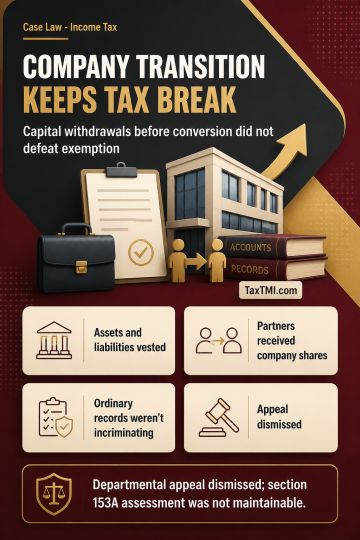
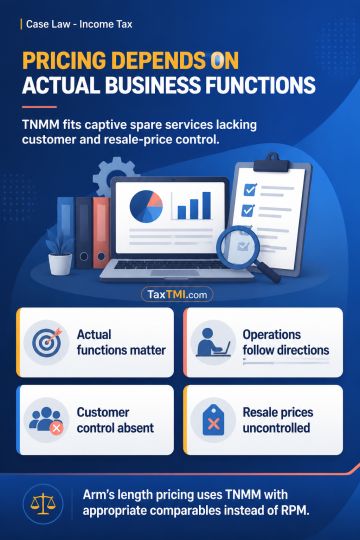
Faceless assessment and registration procedures are updated through electronic communication, revised recovery rules, extended deadlines, and replacem...
Risk-based selective vessel boarding requires accurate declarations and preserves master and agent liability where physical inspections are not select...
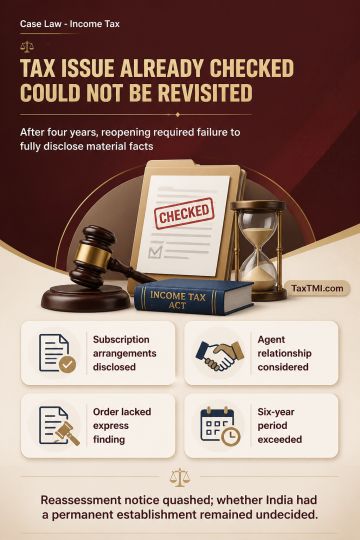
Permanent-establishment reassessment cannot revisit scrutinised disclosures; extended reopening fails without undisclosed material facts and within st...
The Appellate Tribunal found that the issue of jurisdiction to initiate proceedings is fundamental and must be addressed first before examining the merits. The order lacked detailed discussion on the legal issues involved. Consequently, the matter was remanded back to the Commissioner of Customs (Appeals) for a fresh decision. The key points are: the Anti-Dumping Duty (ADD) notification lacks provisions for tolerance levels regarding thickness, the test reports did not conclusively prove the imported goods' thickness was below 5.5 microns as declared, and the tolerance levels apply only for clearance into the Indian market, not for ADD levy. The Tribunal held that a defect in jurisdiction renders subsequent orders void, necessitating a remand for a comprehensive examination of the legal aspects.
The Appellate Tribunal found that the issue of jurisdiction to initiate proceedings is fundamental and must be addressed first before examining the merits. The order lacked detailed discussion on the legal issues involved. Consequently, the matter was remanded back to the Commissioner of Customs (Appeals) for a fresh decision. The key points are: the Anti-Dumping Duty (ADD) notification lacks provisions for tolerance levels regarding thickness, the test reports did not conclusively prove the imported goods' thickness was below 5.5 microns as declared, and the tolerance levels apply only for clearance into the Indian market, not for ADD levy. The Tribunal held that a defect in jurisdiction renders subsequent orders void, necessitating a remand for a comprehensive examination of the legal aspects.
Note: It is a system-generated summary and is for quick reference only.
 TaxTMI
  TaxTMI