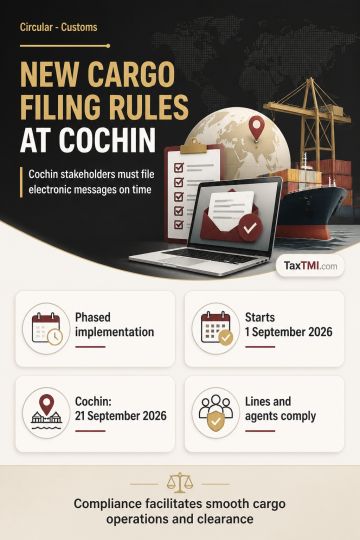
Faceless assessment and registration procedures are updated through electronic communication, revised recovery rules, extended deadlines, and replacem...
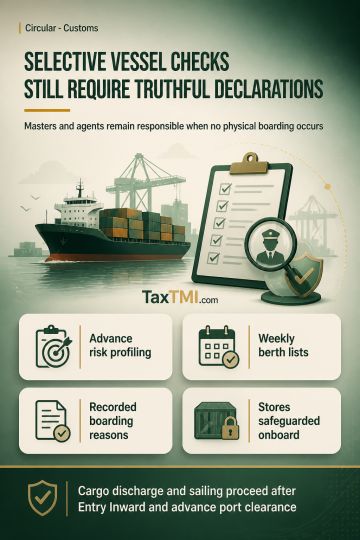
Risk-based selective vessel boarding requires accurate declarations and preserves master and agent liability where physical inspections are not select...
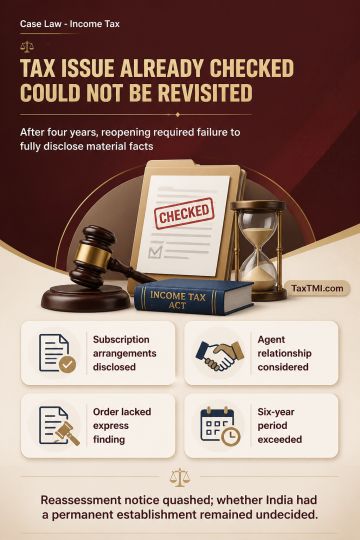
Permanent-establishment reassessment cannot revisit scrutinised disclosures; extended reopening fails without undisclosed material facts and within st...
The case involves the rejection of appeals without deciding on merits due to self-assessment discrepancies u/s 17(5) of the Customs Act, 1962. The appellant's claim under specific notifications was rejected, leading to duty payment under protest and appeal to the Commissioner(Appeals). The tribunal held that the appeals should have been decided on merits rather than rejected based on the assessment acceptance. Citing a Supreme Court ruling, it emphasized both parties' right to appeal an assessment order. The tribunal set aside the order, remanding the case for a merit-based decision by the Commissioner(Appeals) within three months. The appeal was allowed by way of remand.
The case involves the rejection of appeals without deciding on merits due to self-assessment discrepancies u/s 17(5) of the Customs Act, 1962. The appellant's claim under specific notifications was rejected, leading to duty payment under protest and appeal to the Commissioner(Appeals). The tribunal held that the appeals should have been decided on merits rather than rejected based on the assessment acceptance. Citing a Supreme Court ruling, it emphasized both parties' right to appeal an assessment order. The tribunal set aside the order, remanding the case for a merit-based decision by the Commissioner(Appeals) within three months. The appeal was allowed by way of remand.
Note: It is a system-generated summary and is for quick reference only.
 TaxTMI
  TaxTMI