Mandatory textile export qualifiers distinguish flame-retardant fabrics from other listed fabrics for automated identification under the textiles ince...
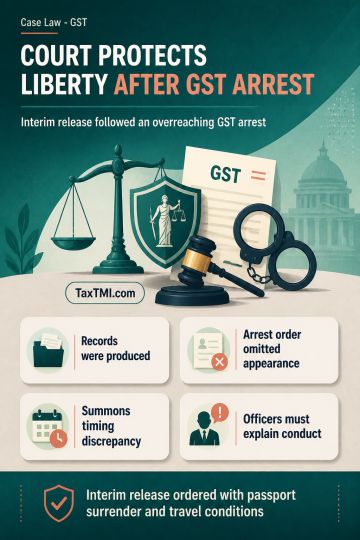
Personal liberty safeguards restrict arrest after court-directed GST appearance, requiring interim release where authorities overreach pending proceed...
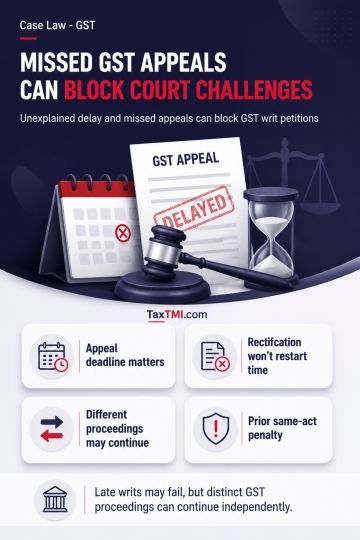
Alternative statutory remedy and delay bar GST writ challenges despite pending rectification, while distinct subject matter permits parallel proceedin...
The Calcutta High Court considered the applicability of a moratorium order from the U.S. Bankruptcy Court in India, focusing on principles of Comity of Nations and Courts. The Court held that while the inherent power of the Court was invoked for stay of the suit, the suit did not fall under insolvency categories covered by the U.S. Chapter 11 cases. Referring to a previous case, the Court emphasized that the suit could continue as it did not involve claims under Chapter 11. The Court recognized the principle of Comity of Nations and Courts but noted that the U.S. moratorium order did not supersede the management, allowing them to contest the suit. The revisional application was dismissed.
The Calcutta High Court considered the applicability of a moratorium order from the U.S. Bankruptcy Court in India, focusing on principles of Comity of Nations and Courts. The Court held that while the inherent power of the Court was invoked for stay of the suit, the suit did not fall under insolvency categories covered by the U.S. Chapter 11 cases. Referring to a previous case, the Court emphasized that the suit could continue as it did not involve claims under Chapter 11. The Court recognized the principle of Comity of Nations and Courts but noted that the U.S. moratorium order did not supersede the management, allowing them to contest the suit. The revisional application was dismissed.
Note: It is a system-generated summary and is for quick reference only.
 TaxTMI
  TaxTMI