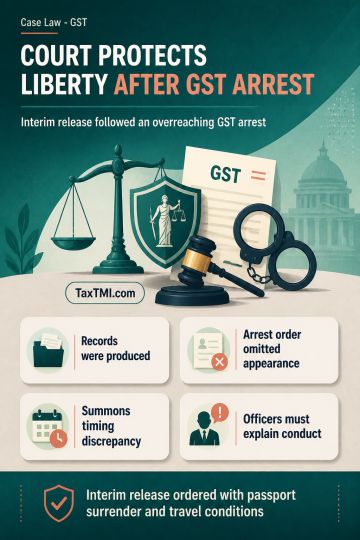
Personal liberty safeguards restrict arrest after court-directed GST appearance, requiring interim release where authorities overreach pending proceed...
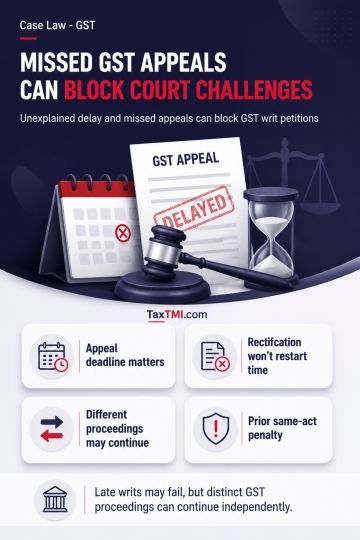
Alternative statutory remedy and delay bar GST writ challenges despite pending rectification, while distinct subject matter permits parallel proceedin...
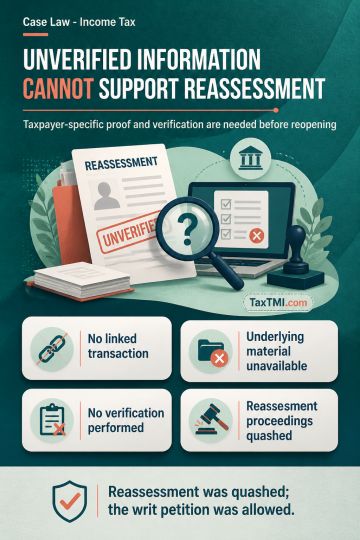
Unverified Insight Portal Information Cannot Justify Reassessment Without a Verified Taxpayer-Specific Income-Escape Nexus or Demonstrated Application...
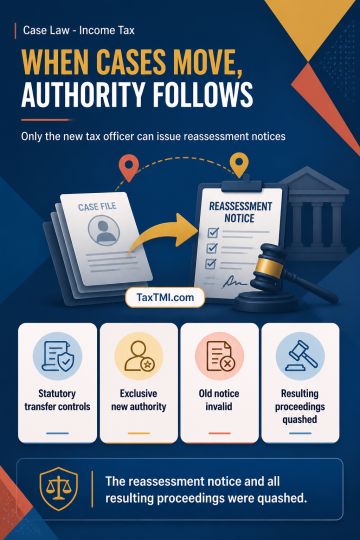
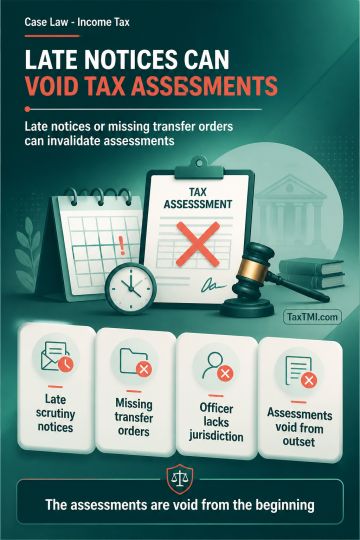
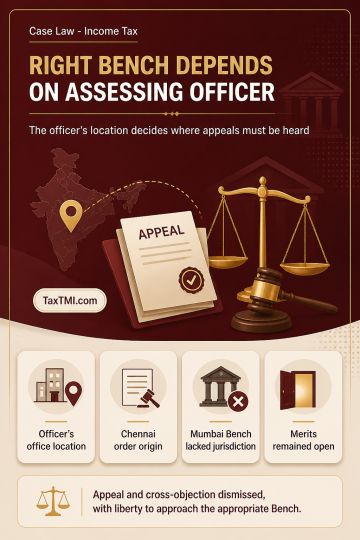
Assessing Officer jurisdiction after statutory transfer invalidates reassessment notices issued by transferor officers and nullifies resulting proceed...
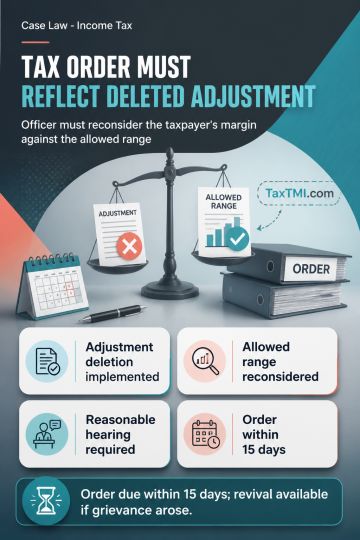
Consequential appeal-effect orders must implement rectification deleting working-capital adjustments and reconsider the resulting arm's-length range c...
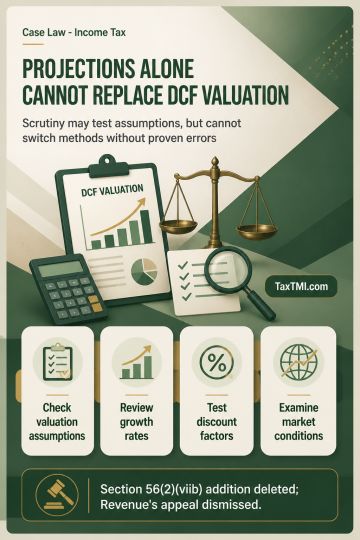
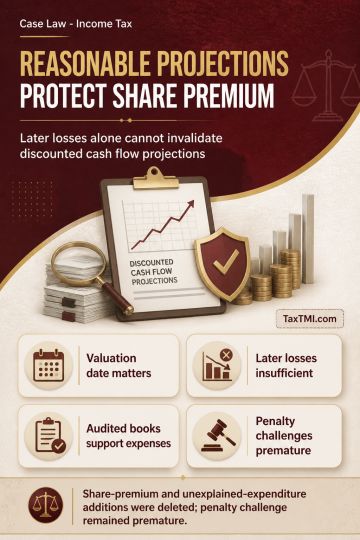
Discounted cash flow valuation protects share premium where projections are reasonable, while audited book expenses defeat unexplained-expenditure add...
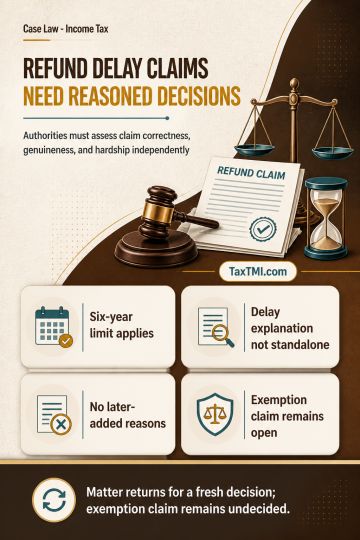
Section 119(2)(b) permits condonation of delay in a revised return seeking refund to prevent genuine hardship, subject to the prescribed six-year limit. The competent authority must independently determine whether the refund claim is correct and genuine and whether genuine hardship exists; this power cannot be exercised routinely. A rejection cannot rest on irrelevant considerations or an unreasoned denial of hardship, and recorded reasons cannot be supplemented in court. The sufficient-cause standard for delayed appeals under the Limitation Act does not impose a stand-alone requirement to explain delay under section 119(2)(b). The refusal to condone was quashed and remitted for a fresh reasoned decision, leaving the exemption claim open.
Section 119(2)(b) permits condonation of delay in a revised return seeking refund to prevent genuine hardship, subject to the prescribed six-year limit. The competent authority must independently determine whether the refund claim is correct and genuine and whether genuine hardship exists; this power cannot be exercised routinely. A rejection cannot rest on irrelevant considerations or an unreasoned denial of hardship, and recorded reasons cannot be supplemented in court. The sufficient-cause standard for delayed appeals under the Limitation Act does not impose a stand-alone requirement to explain delay under section 119(2)(b). The refusal to condone was quashed and remitted for a fresh reasoned decision, leaving the exemption claim open.
Note: It is a system-generated summary and is for quick reference only.
 TaxTMI
  TaxTMI