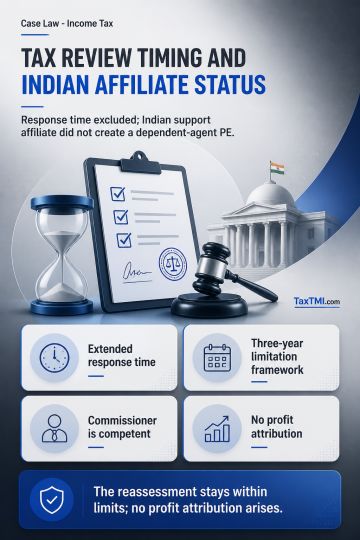
Supervisory permanent establishment requires project-wise duration and qualifying construction nexus; offshore supplies and salary reimbursements rema...
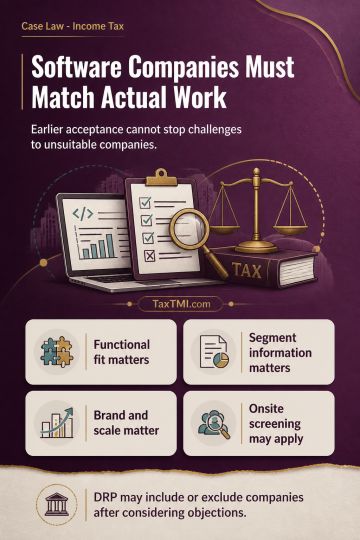
Transfer-pricing comparability permits fresh objections and filters where software service comparables are functionally unsuitable for arm's-length pr...
Territorial rendering requirement excludes China-based management and consultancy services from fees for technical services under the India-China DTAA...
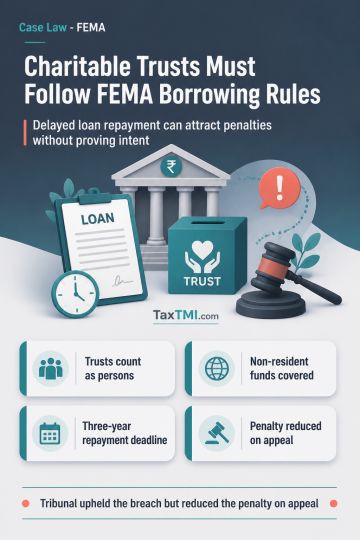
FEMA borrowing restrictions bind charitable trusts, and civil penalties apply without proving intent for delayed repayment of non-resident rupee loans...
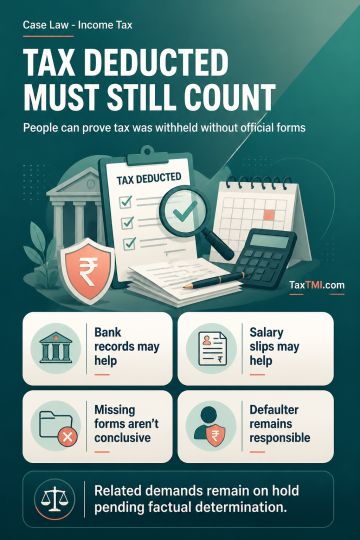
TDS credit must be considered where tax was actually deducted from a deductee's income or payment but was not remitted by the deductor. The statutory bar on recovering such tax from the deductee operates once actual deduction is established, preventing double recovery while permitting action against the defaulting deductor. Absence of Form 16, Form 16A or Form 26AS is not conclusive where the deductor has failed to deposit or report TDS. Deductees may rely on cogent evidence, including salary slips, bank records, invoices, payment advices, ledgers, correspondence or insolvency claims. Prima facie claims require factual verification rather than mechanical rejection, with related demands kept in abeyance pending determination.
TDS credit must be considered where tax was actually deducted from a deductee's income or payment but was not remitted by the deductor. The statutory bar on recovering such tax from the deductee operates once actual deduction is established, preventing double recovery while permitting action against the defaulting deductor. Absence of Form 16, Form 16A or Form 26AS is not conclusive where the deductor has failed to deposit or report TDS. Deductees may rely on cogent evidence, including salary slips, bank records, invoices, payment advices, ledgers, correspondence or insolvency claims. Prima facie claims require factual verification rather than mechanical rejection, with related demands kept in abeyance pending determination.
Note: It is a system-generated summary and is for quick reference only.
 TaxTMI
  TaxTMI
 of 4897