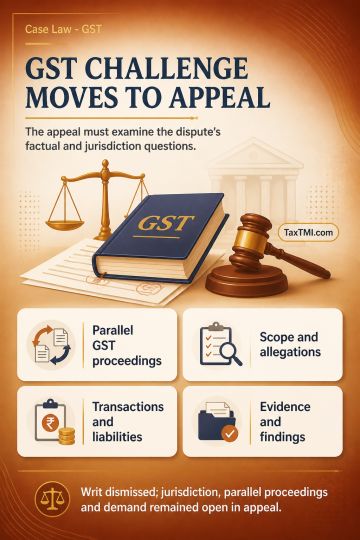
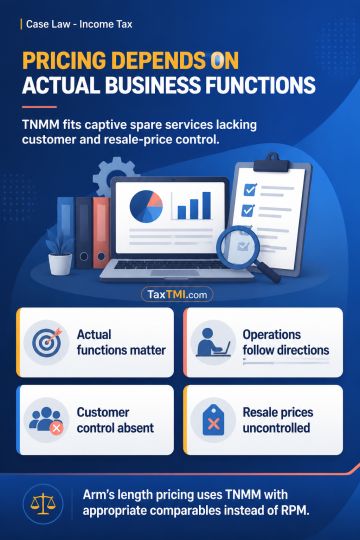
Faceless assessment and registration procedures are updated through electronic communication, revised recovery rules, extended deadlines, and replacem...
Risk-based selective vessel boarding requires accurate declarations and preserves master and agent liability where physical inspections are not select...
Permanent-establishment reassessment cannot revisit scrutinised disclosures; extended reopening fails without undisclosed material facts and within st...
Money-laundering prosecution is described as requiring a scheduled offence, proceeds of crime generated from that offence, and their projection as untainted, including knowing assistance in related processes. Challenges to investigation or discharge grounds in predicate offences are presented as outside the scope of the money-laundering proceeding. The notes explain that discharge requires assessment of a prima facie case and that strong suspicion may justify trial without a mini-trial. They also state that alleged defects in an authorised valuation report are evidentiary matters, and fresh expert valuation is not ordinarily required; loss quantification mainly concerns the predicate offence.
Money-laundering prosecution is described as requiring a scheduled offence, proceeds of crime generated from that offence, and their projection as untainted, including knowing assistance in related processes. Challenges to investigation or discharge grounds in predicate offences are presented as outside the scope of the money-laundering proceeding. The notes explain that discharge requires assessment of a prima facie case and that strong suspicion may justify trial without a mini-trial. They also state that alleged defects in an authorised valuation report are evidentiary matters, and fresh expert valuation is not ordinarily required; loss quantification mainly concerns the predicate offence.
Note: It is a system-generated summary and is for quick reference only.
 TaxTMI
  TaxTMI