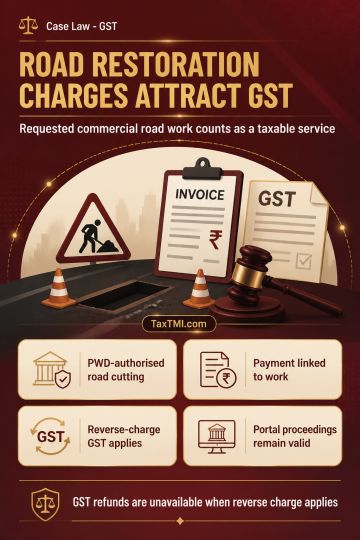
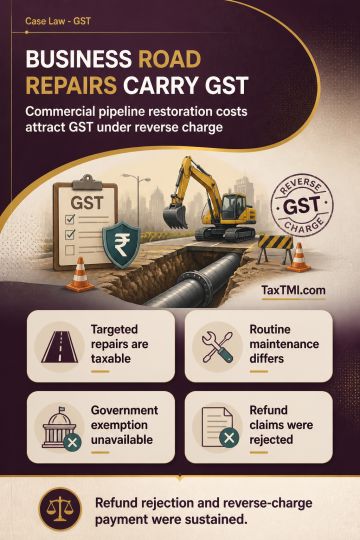
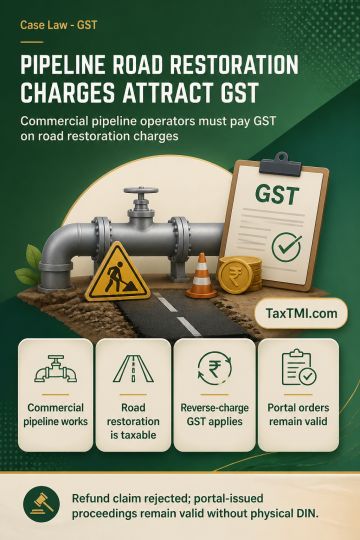
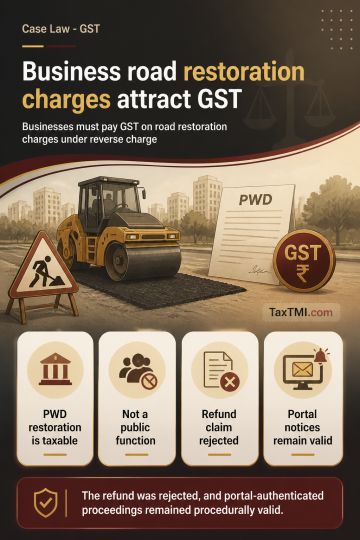
Road restoration charges constitute taxable services when requested for commercial pipeline activity, requiring reverse-charge GST from the business r...
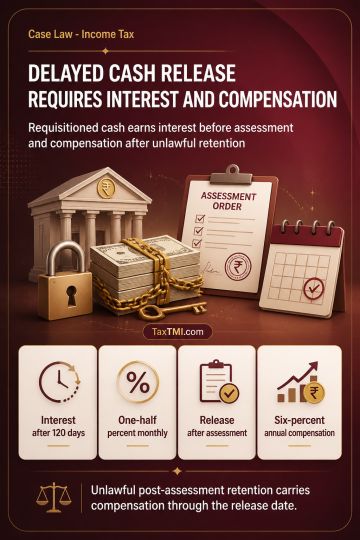
Interest on delayed release of requisitioned cash includes statutory pre-assessment interest and restitutionary compensation for unlawful post-assessm...
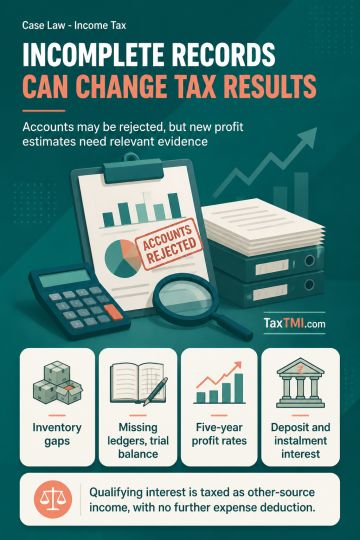
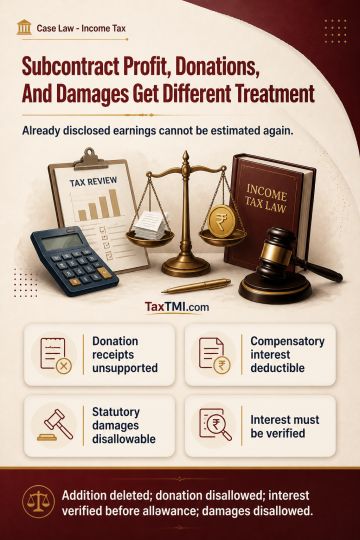
Incomplete inventory records justify rejecting accounts, while profit estimation requires relevant comparable material and interest falls under other ...
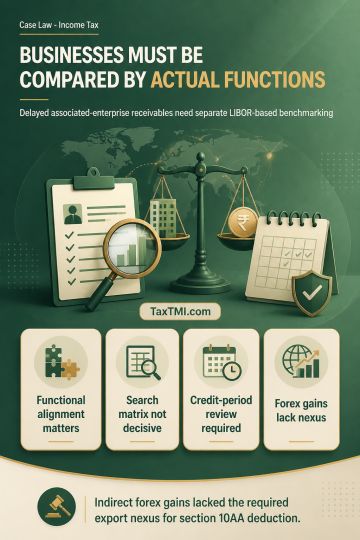
Transfer-pricing comparability requires functional alignment; delayed associated-enterprise receivables need separate LIBOR-based benchmarking, while ...
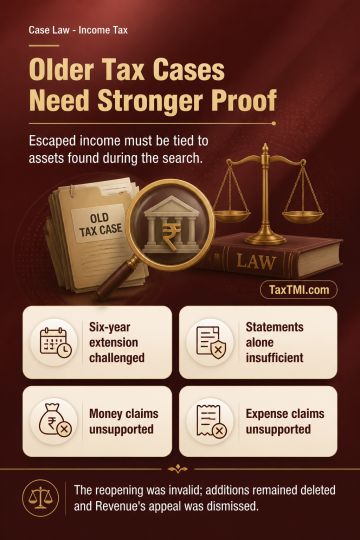
Extended reassessment limitation in search cases requires asset-linked escaped income, invalidating additions based only on unexplained money or expen...
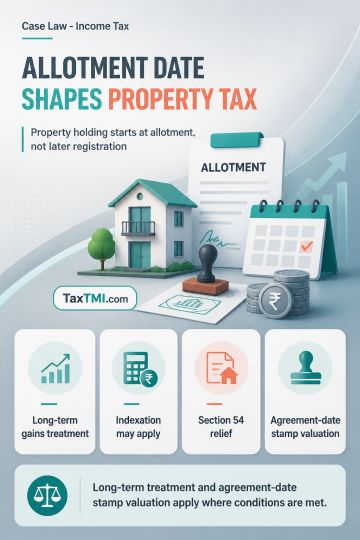
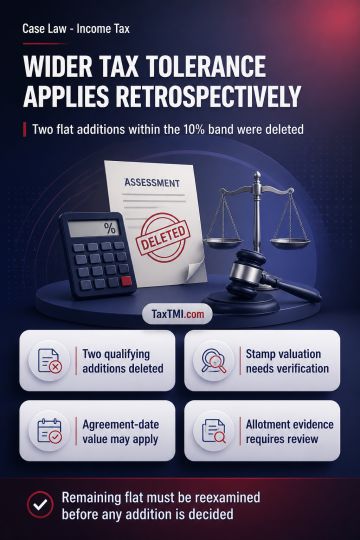
Enhanced tolerance band under section 43CA applies retrospectively, deleting qualifying deemed-sale additions while disputed stamp valuation requires ...
Anti-profiteering liability following a GST rate reduction may...
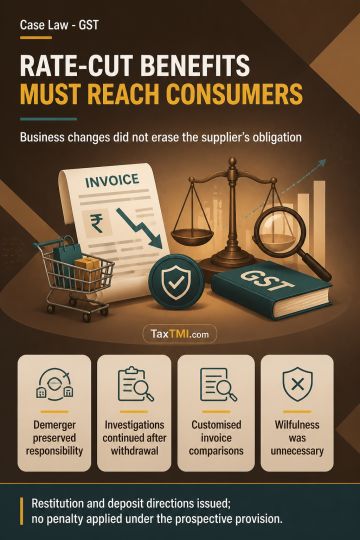
Anti-profiteering obligations survive business demerger, complaint withdrawal, and customized supply arrangements where rate-reduction benefits are not passed on.
Contents
Summary
Note
Bookmark
Share
✓ Copied successfully !
Print
Print Options
For full text, please login
Login to TaxTMI
Verification Pending
The Email Id has not been verified. Click on the link we have sent on
Anti-profiteering liability following a GST rate reduction may apply despite a business demerger and a post-reduction registration where transactional evidence establishes the supplier's nexus to affected supplies. Investigation may extend beyond the original complaint and continue after its withdrawal because the regime serves consumer welfare. For customised lump-sum supplies, invoice-wise base-price comparison is permissible if rational, evidence-based and reconciled; the computation was accepted. Wilful retention need not be proved, although non-passing of the benefit must be established. The supplier was found to have breached the pass-through obligation and was subject to restitution and deposit directions; no penalty applied because the penal provision operated only prospectively.
Anti-profiteering liability following a GST rate reduction may apply despite a business demerger and a post-reduction registration where transactional evidence establishes the supplier's nexus to affected supplies. Investigation may extend beyond the original complaint and continue after its withdrawal because the regime serves consumer welfare. For customised lump-sum supplies, invoice-wise base-price comparison is permissible if rational, evidence-based and reconciled; the computation was accepted. Wilful retention need not be proved, although non-passing of the benefit must be established. The supplier was found to have breached the pass-through obligation and was subject to restitution and deposit directions; no penalty applied because the penal provision operated only prospectively.
Note: It is a system-generated summary and is for quick reference only.
 TaxTMI
  TaxTMI
 of 4910