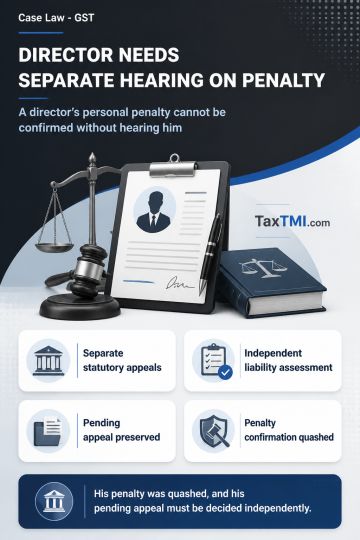
Cross-segment derivatives manipulation: integrated order patterns can support interim restraints, while director liability requires responsibility, co...
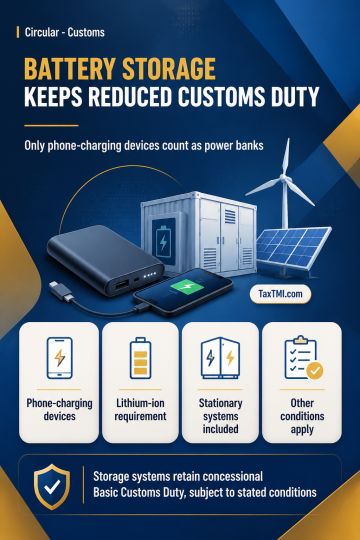
Power bank definition limits the customs-duty exclusion, preserving concessional treatment for stationary, grid-scale and industrial battery storage s...
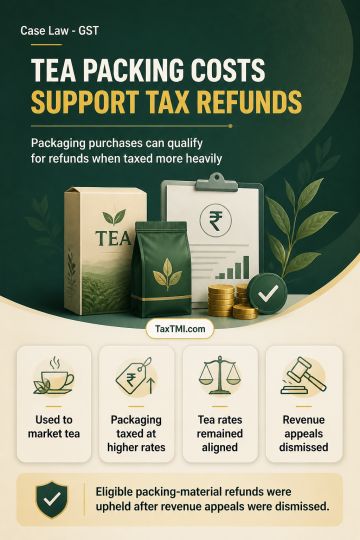
Packing-material input credits support inverted-duty refunds for packaged tea, while rate-reduction and concessional-supply circulars remain inapplica...
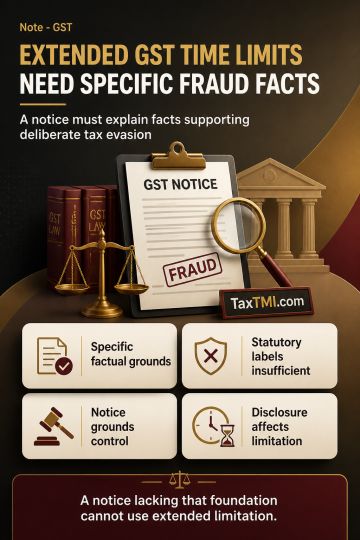
Section 74 of the CGST Act permits the extended limitation route only where a show cause notice states factual grounds showing that tax short-payment, erroneous refund, or wrongful input tax credit arose by reason of fraud, wilful misstatement, or suppression intended to evade tax. Bare statutory labels, audit objections, later affidavits, or new grounds in an order cannot cure a notice lacking that jurisdictional foundation. Section 75(7) confines confirmation to grounds specified in the notice, while Section 75(2) may deem a validly founded Section 74 notice to be under Section 73 if aggravated conduct is not established. Deliberate conduct, causal nexus, and taxpayer disclosure are central to extended limitation.
Section 74 of the CGST Act permits the extended limitation route only where a show cause notice states factual grounds showing that tax short-payment, erroneous refund, or wrongful input tax credit arose by reason of fraud, wilful misstatement, or suppression intended to evade tax. Bare statutory labels, audit objections, later affidavits, or new grounds in an order cannot cure a notice lacking that jurisdictional foundation. Section 75(7) confines confirmation to grounds specified in the notice, while Section 75(2) may deem a validly founded Section 74 notice to be under Section 73 if aggravated conduct is not established. Deliberate conduct, causal nexus, and taxpayer disclosure are central to extended limitation.
Note: It is a system-generated summary and is for quick reference only.
 TaxTMI
  TaxTMI
 of 4901