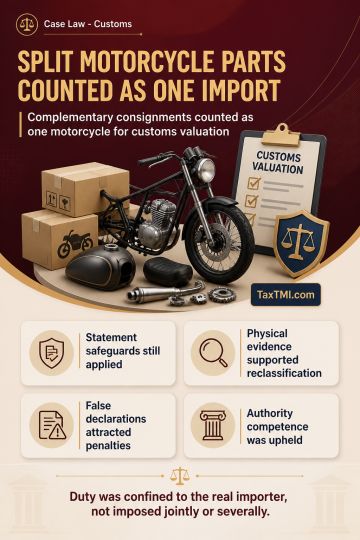
Split consignment classification treated complementary motorcycle parts as one imported motorcycle, sustaining valuation, confiscation and importer li...
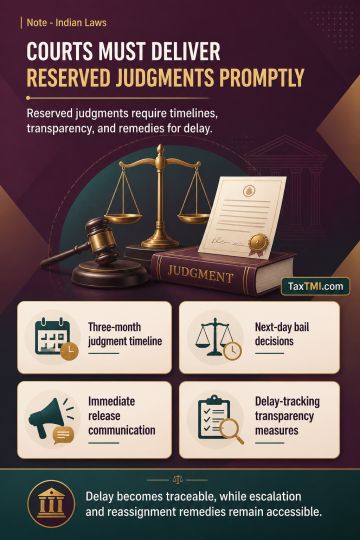
Timely pronouncement of reserved judgments requires defined timelines, transparency measures, and remedial pathways to protect liberty and effective j...
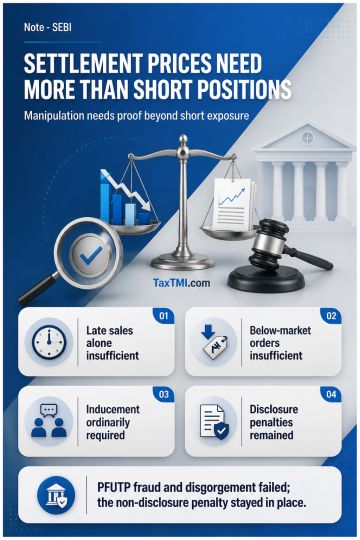
Settlement-price depression requires proof of manipulation, not merely short exposure, late selling, or below-market orders, preserving disclosure pen...
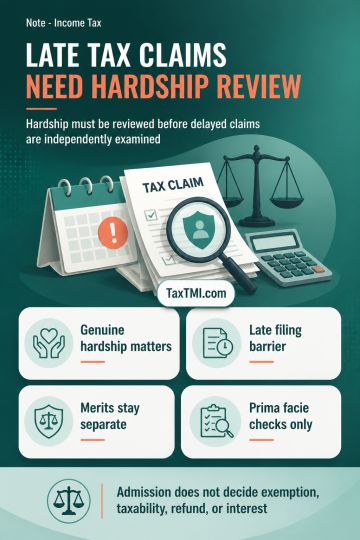
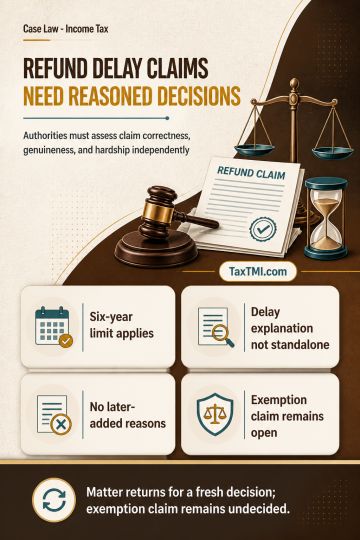
Section 119(2)(b) permits condonation of delay in a revised return seeking refund to prevent genuine hardship, subject to the prescribed six-year limit. The competent authority must independently determine whether the refund claim is correct and genuine and whether genuine hardship exists; this power cannot be exercised routinely. A rejection cannot rest on irrelevant considerations or an unreasoned denial of hardship, and recorded reasons cannot be supplemented in court. The sufficient-cause standard for delayed appeals under the Limitation Act does not impose a stand-alone requirement to explain delay under section 119(2)(b). The refusal to condone was quashed and remitted for a fresh reasoned decision, leaving the exemption claim open.
Section 119(2)(b) permits condonation of delay in a revised return seeking refund to prevent genuine hardship, subject to the prescribed six-year limit. The competent authority must independently determine whether the refund claim is correct and genuine and whether genuine hardship exists; this power cannot be exercised routinely. A rejection cannot rest on irrelevant considerations or an unreasoned denial of hardship, and recorded reasons cannot be supplemented in court. The sufficient-cause standard for delayed appeals under the Limitation Act does not impose a stand-alone requirement to explain delay under section 119(2)(b). The refusal to condone was quashed and remitted for a fresh reasoned decision, leaving the exemption claim open.
Note: It is a system-generated summary and is for quick reference only.
 TaxTMI
 TaxTMI

 of 4915