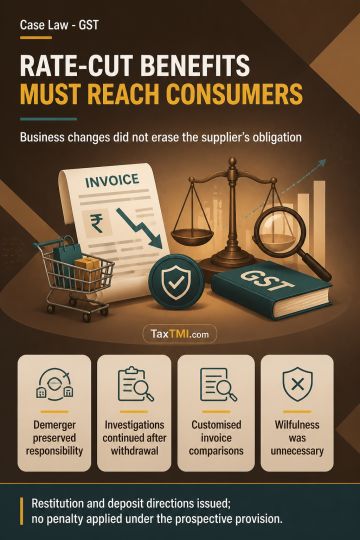
Anti-profiteering obligations survive business demerger, complaint withdrawal, and customized supply arrangements where rate-reduction benefits are no...
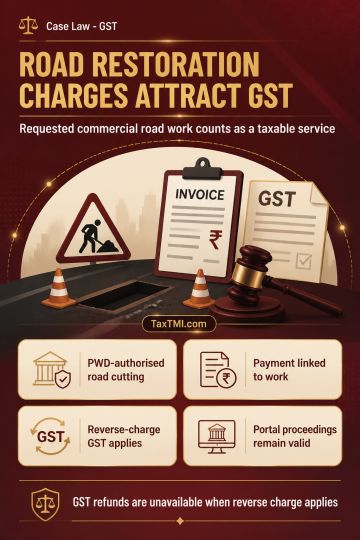
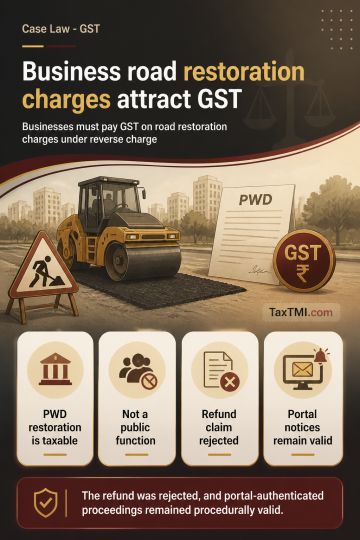
Road restoration charges constitute taxable services when requested for commercial pipeline activity, requiring reverse-charge GST from the business r...
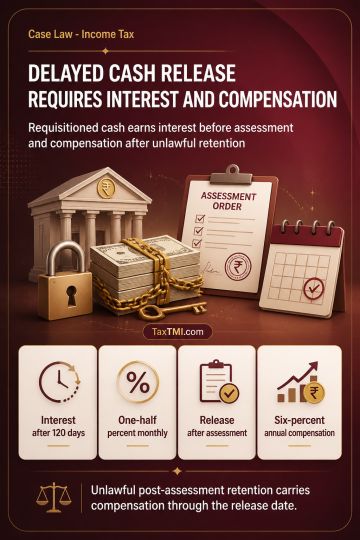
Interest on delayed release of requisitioned cash includes statutory pre-assessment interest and restitutionary compensation for unlawful post-assessm...
Incomplete inventory records justify rejecting accounts, while profit estimation requires relevant comparable material and interest falls under other ...
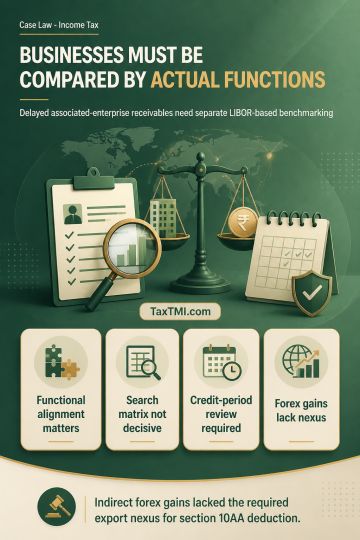
Transfer-pricing comparability requires functional alignment; delayed associated-enterprise receivables need separate LIBOR-based benchmarking, while ...
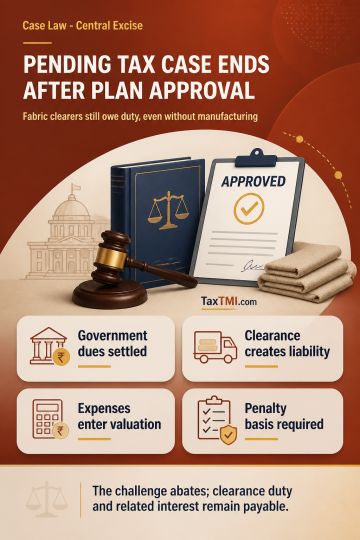
Approval of a resolution plan settling confirmed government dues causes the corporate debtor's pending excise appeal to abate. Excise duty remains payable by persons who clear processed fabrics, even where they are not manufacturers, because liability attaches on clearance; however, the transferee's specific penalty concerning stock was not sustained. Pre-clearance grading, cartage, brokerage and stock-interest expenses form part of assessable value where goods enter wholesale trade only on sale to independent buyers, sustaining the related duty and interest. Penalty for intent to evade duty requires findings of prescribed conduct and cannot rest solely on inadmissible valuation deductions. Penalties relating to confiscable goods likewise require their statutory basis; general penalties may instead apply to proven participation in duty evasion.
Approval of a resolution plan settling confirmed government dues causes the corporate debtor's pending excise appeal to abate. Excise duty remains payable by persons who clear processed fabrics, even where they are not manufacturers, because liability attaches on clearance; however, the transferee's specific penalty concerning stock was not sustained. Pre-clearance grading, cartage, brokerage and stock-interest expenses form part of assessable value where goods enter wholesale trade only on sale to independent buyers, sustaining the related duty and interest. Penalty for intent to evade duty requires findings of prescribed conduct and cannot rest solely on inadmissible valuation deductions. Penalties relating to confiscable goods likewise require their statutory basis; general penalties may instead apply to proven participation in duty evasion.
Note: It is a system-generated summary and is for quick reference only.
 TaxTMI
  TaxTMI
 of 4912