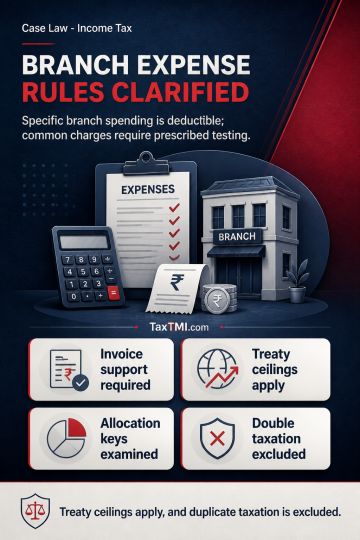
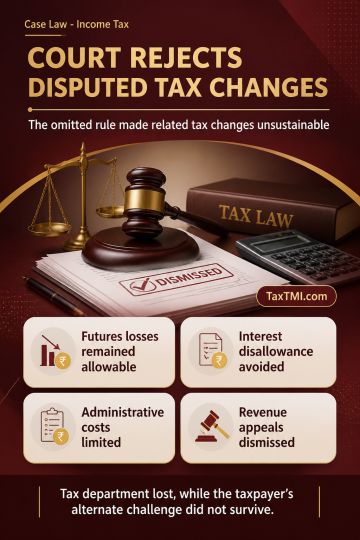
Head Office cost allocation requires prescribed transfer-pricing methods; treaty ceilings bar surcharge and cess, while duplicate taxation is excluded...
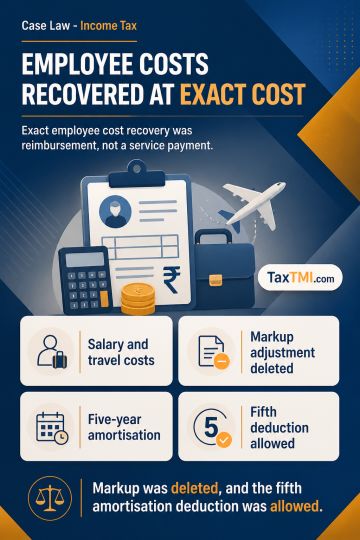
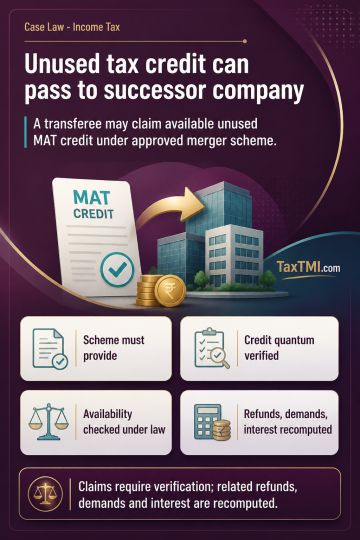
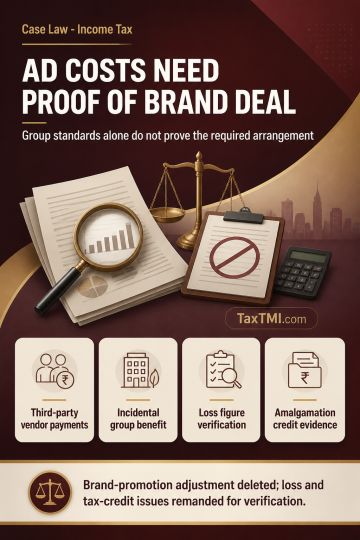
Cost-to-cost reimbursement of seconded employees is not service consideration; transfer-pricing markup was deleted and amalgamation amortisation allow...
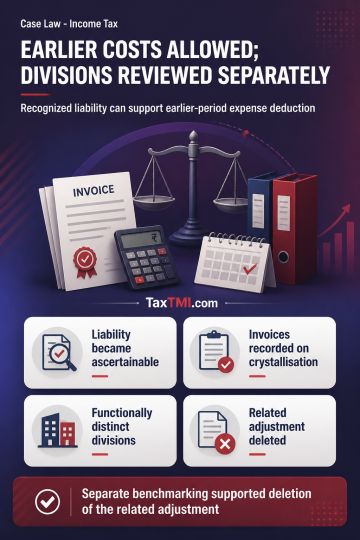
Crystallisation of liability supports prior-period expense deduction, while functionally distinct divisions require separate transfer-pricing benchmar...
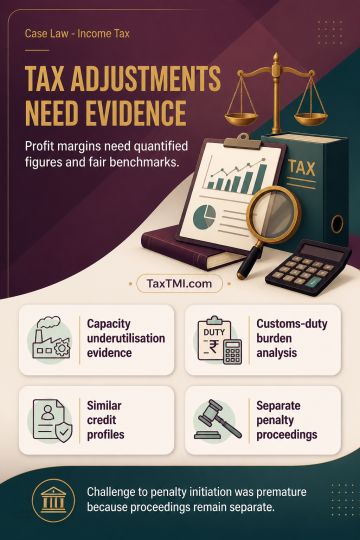
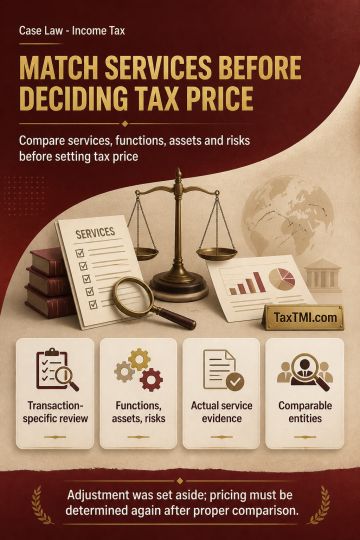
Functional comparability under TNMM requires transaction-specific FAR analysis before benchmarking business-support services provided to associated en...
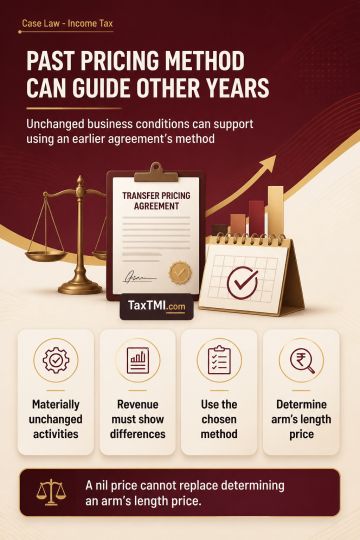
Advance pricing agreement methodology can guide benchmarking for non-covered years when functions, assets, risks and activities remain materially unch...
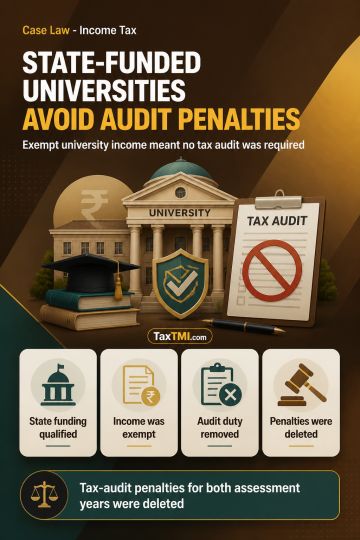
Tax-audit exemption for substantially State-funded educational universities prevents audit-failure penalties where income qualifies for statutory exem...
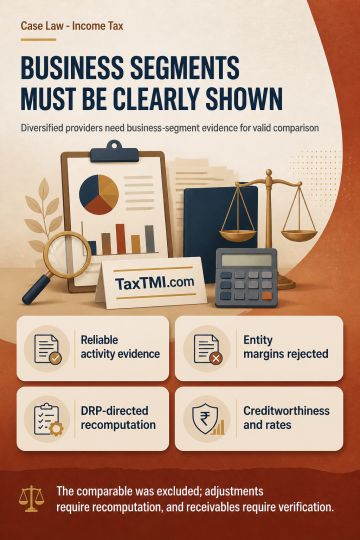
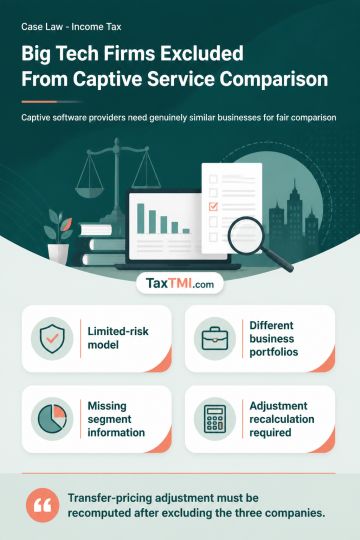
Functional, asset and risk analysis excludes diversified technology companies from captive software development comparables under cost-plus arrangemen...
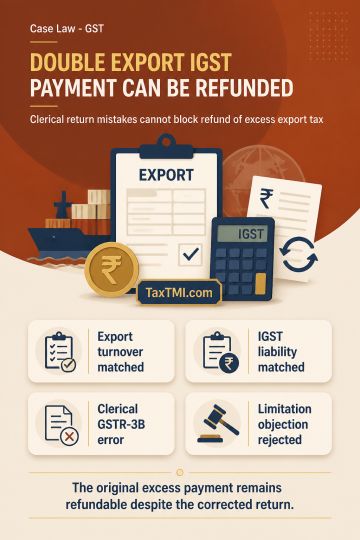
Excess IGST paid twice on export supplies is refundable where export turnover and IGST liability were correctly reported in GSTR-1 but mistakenly classified under supplies other than zero-rated supplies in GSTR-3B. The mismatch prevented automated customs refund, leading to a second IGST payment through a corrected return; refund of that second payment did not extinguish the claim for the original excess payment. A clerical reporting error, supported by return reconciliation, does not constitute a substantive breach justifying denial. Retaining tax paid twice would lack authority of law, and refund cannot be denied on procedural grounds or the stated limitation objection.
Excess IGST paid twice on export supplies is refundable where export turnover and IGST liability were correctly reported in GSTR-1 but mistakenly classified under supplies other than zero-rated supplies in GSTR-3B. The mismatch prevented automated customs refund, leading to a second IGST payment through a corrected return; refund of that second payment did not extinguish the claim for the original excess payment. A clerical reporting error, supported by return reconciliation, does not constitute a substantive breach justifying denial. Retaining tax paid twice would lack authority of law, and refund cannot be denied on procedural grounds or the stated limitation objection.
Note: It is a system-generated summary and is for quick reference only.
 TaxTMI
 TaxTMI

 of 4918