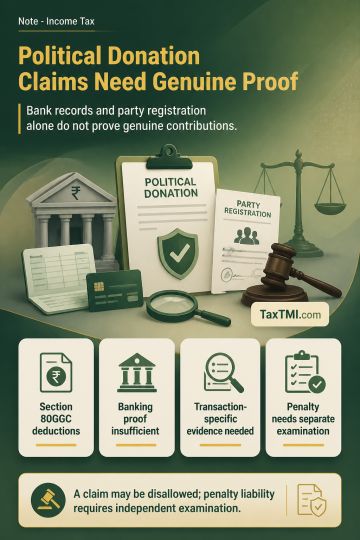
Political contribution deductions require genuine transactions; banking records and party registration alone cannot defeat evidence of accommodation e...
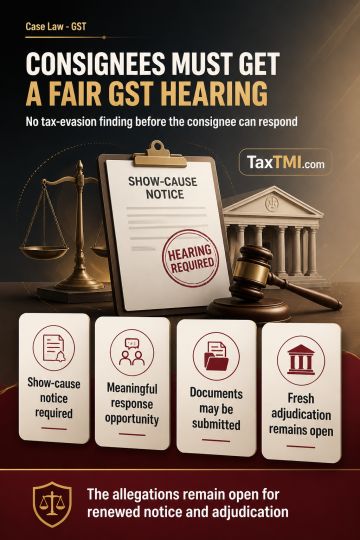
Post-death GST liability permits fresh proceedings against legal representatives, while discontinued-business recovery remains limited to the inherite...
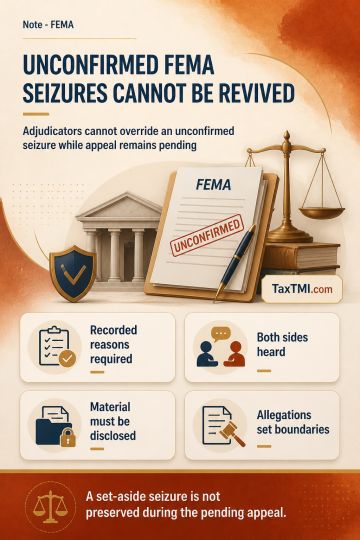
Non-confirmation of FEMA seizure prevents adjudicators from overriding pending appellate findings on recorded reasons and suspected foreign asset hold...
Inordinate delay in filing the first appeal was not condoned because the assessee failed to show sufficient or bona fide cause. The Tribunal found that the explanation of being unaware of the ex parte assessment was unconvincing, noting the failure to file a return even after notice under section 148 and the non-participation in assessment proceedings, which showed negligence and a lackadaisical approach. Applying the principle that sufficient cause does not extend to inaction, negligence or absence of bona fides, it upheld the CIT(A)'s refusal to exercise discretion under section 249(3) and sustained dismissal of the appeal as time-barred.
Inordinate delay in filing the first appeal was not condoned because the assessee failed to show sufficient or bona fide cause. The Tribunal found that the explanation of being unaware of the ex parte assessment was unconvincing, noting the failure to file a return even after notice under section 148 and the non-participation in assessment proceedings, which showed negligence and a lackadaisical approach. Applying the principle that sufficient cause does not extend to inaction, negligence or absence of bona fides, it upheld the CIT(A)'s refusal to exercise discretion under section 249(3) and sustained dismissal of the appeal as time-barred.
Note: It is a system-generated summary and is for quick reference only.
 TaxTMI
  TaxTMI