Human-probability test defeats political donation deductions where banking records mask accommodation-entry fund layering rather than genuine contribu...
Electronic evidence and search statements in tax assessments require authenticity review and corroboration, while procedural manuals lack statutory fo...
Tariff rate quota authorisations govern preferential imports of specified New Zealand goods through export certification and electronic customs debiti...
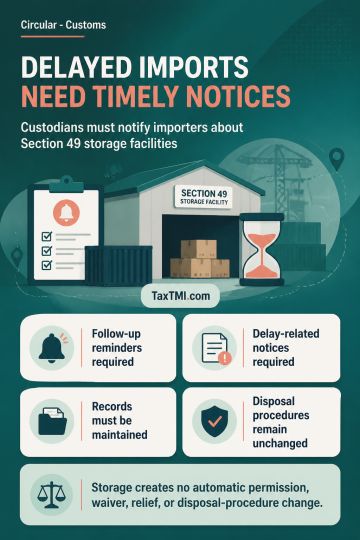
Electronic Continuity Bond Registration replaces manual container permissions, with quarterly reporting and re-export monitoring for duty-free contain...
Recall under Rule 11 of the NCLT Rules was held confined to apparent procedural or similar infirmity in the order itself and could not be used to reopen a merits decision. The Tribunal treated a recall application based on later-discovered documents as a disguised attempt to seek review, which the Code does not permit, and held that subsequent material cannot justify recalling an order passed on merits. It also held that once the original section 9 order had been affirmed in appeal, it could not thereafter be reopened by recall. The appeal was dismissed and rejection of the recall application upheld.
Recall under Rule 11 of the NCLT Rules was held confined to apparent procedural or similar infirmity in the order itself and could not be used to reopen a merits decision. The Tribunal treated a recall application based on later-discovered documents as a disguised attempt to seek review, which the Code does not permit, and held that subsequent material cannot justify recalling an order passed on merits. It also held that once the original section 9 order had been affirmed in appeal, it could not thereafter be reopened by recall. The appeal was dismissed and rejection of the recall application upheld.
Note: It is a system-generated summary and is for quick reference only.
 TaxTMI
 TaxTMI

 of 4920