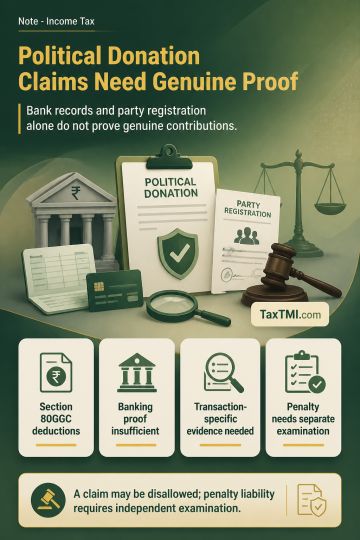
Political contribution deductions require genuine transactions; banking records and party registration alone cannot defeat evidence of accommodation e...
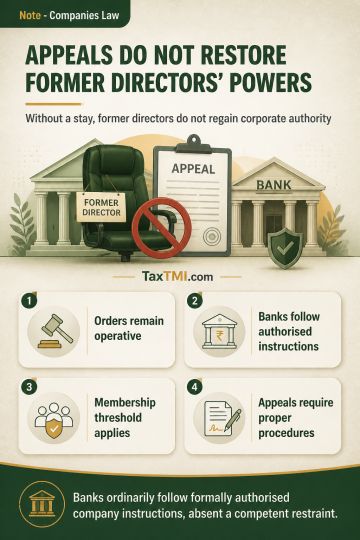
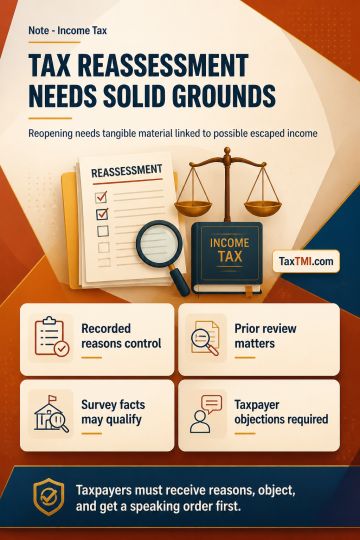
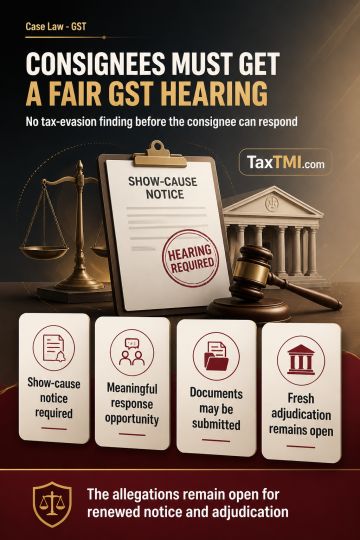
Post-death GST liability permits fresh proceedings against legal representatives, while discontinued-business recovery remains limited to the inherite...
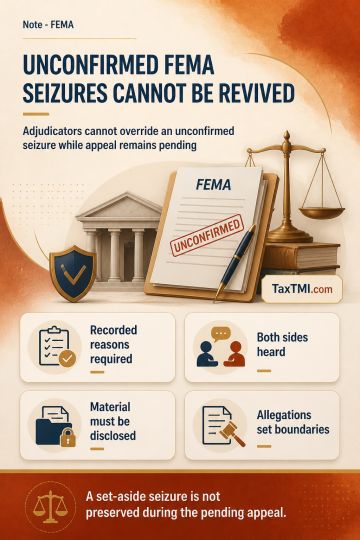
Non-confirmation of FEMA seizure prevents adjudicators from overriding pending appellate findings on recorded reasons and suspected foreign asset hold...
A bill of lading clause stating that disputes can be settled by arbitration was held not to create a binding arbitration agreement. At the stage of appointing an arbitrator, the Court confined itself to the prima facie existence of an arbitration agreement and read the clause in its contractual context. The word "can" was treated as permissive, indicating only a possible mode of settlement rather than a mandatory obligation to arbitrate. Applying the principles in K.K. Modi and Jagdish Chander, the Court found that the clause required further consent when a dispute arose and therefore lacked the definitiveness needed to compel arbitration. The refusal to appoint an arbitrator was upheld.
A bill of lading clause stating that disputes can be settled by arbitration was held not to create a binding arbitration agreement. At the stage of appointing an arbitrator, the Court confined itself to the prima facie existence of an arbitration agreement and read the clause in its contractual context. The word "can" was treated as permissive, indicating only a possible mode of settlement rather than a mandatory obligation to arbitrate. Applying the principles in K.K. Modi and Jagdish Chander, the Court found that the clause required further consent when a dispute arose and therefore lacked the definitiveness needed to compel arbitration. The refusal to appoint an arbitrator was upheld.
Note: It is a system-generated summary and is for quick reference only.
 TaxTMI
  TaxTMI