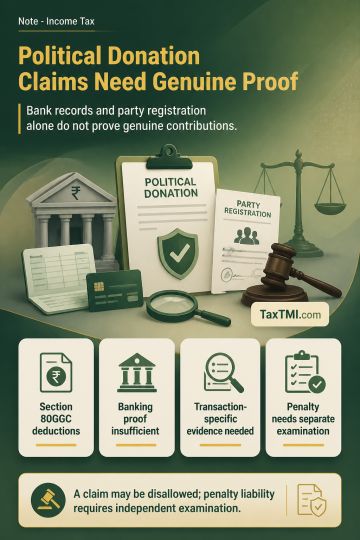
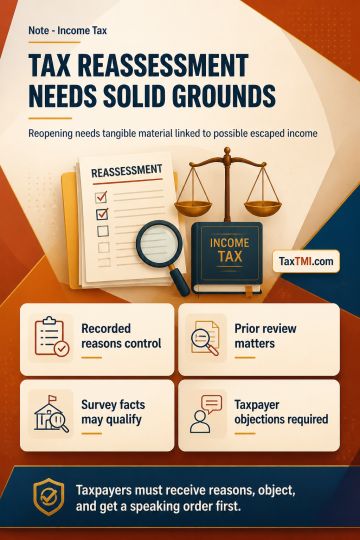
Political contribution deductions require genuine transactions; banking records and party registration alone cannot defeat evidence of accommodation e...
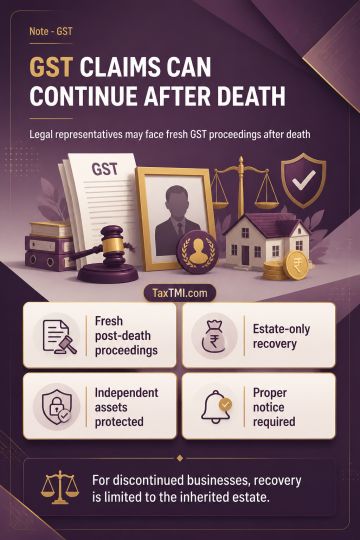
Post-death GST liability permits fresh proceedings against legal representatives, while discontinued-business recovery remains limited to the inherite...
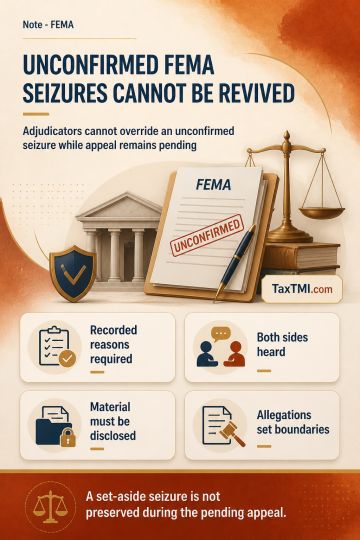
Non-confirmation of FEMA seizure prevents adjudicators from overriding pending appellate findings on recorded reasons and suspected foreign asset hold...
Whether the High Court could quash cheque-dishonour proceedings under Section 482 CrPC by treating the later complaint as barred due to an earlier complaint on the same underlying liability was held to involve disputed, mixed questions of fact (including whether cheques were substitute, supplementary, or simultaneously enforceable) requiring trial evidence; hence, such issues could not be decided at the threshold, and quashing amounted to an impermissible "mini trial." The complaint disclosed the prima facie ingredients of Section 138 NI Act, and the statutory presumption under Section 139 had to be given due weight, leaving defences to be tested at trial; accordingly, the quashing order was set aside and the complaint restored, while refusal to quash other complaints was affirmed. - SC
Whether the High Court could quash cheque-dishonour proceedings under Section 482 CrPC by treating the later complaint as barred due to an earlier complaint on the same underlying liability was held to involve disputed, mixed questions of fact (including whether cheques were substitute, supplementary, or simultaneously enforceable) requiring trial evidence; hence, such issues could not be decided at the threshold, and quashing amounted to an impermissible "mini trial." The complaint disclosed the prima facie ingredients of Section 138 NI Act, and the statutory presumption under Section 139 had to be given due weight, leaving defences to be tested at trial; accordingly, the quashing order was set aside and the complaint restored, while refusal to quash other complaints was affirmed. - SC
Note: It is a system-generated summary and is for quick reference only.
 TaxTMI
  TaxTMI