Customs exemptions cover photovoltaic assembly machinery and PVF backsheets, while fully declared cleared imports may avoid confiscation and penalties...
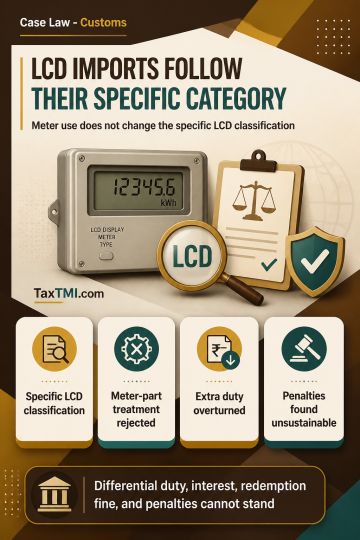
Specific tariff classification for LCD devices overrides treatment as electricity-meter parts, defeating differential duty, extended limitation, and p...
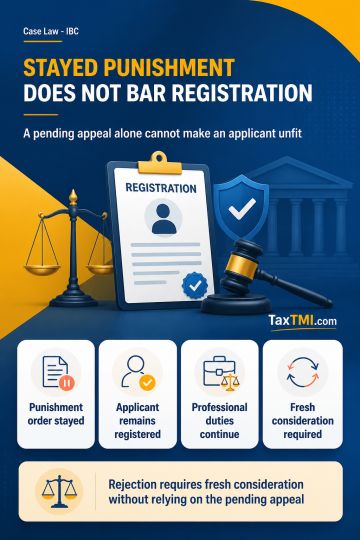
Stayed disciplinary punishment does not establish unfitness for insolvency professional registration; reconsideration must disregard mere pendency of ...
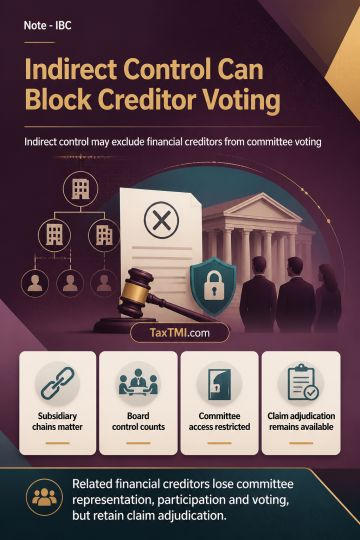
Indirect corporate control can create related-party status, excluding financial creditors from Committee of Creditors representation, participation an...
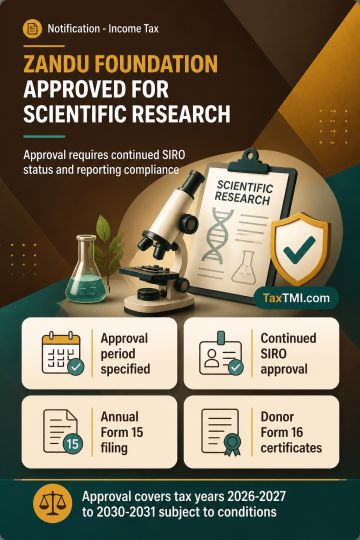
Scientific research association approval requires continuing SIRO status, annual donation reporting, and donor certificates for the approved foundatio...
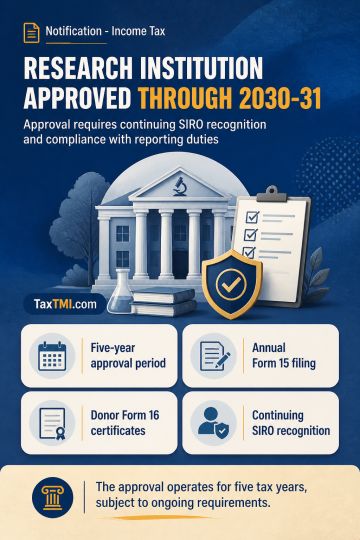
Scientific research institution approval is conditional on SIRO recognition, annual donation reporting, donor certification, and prescribed compliance...
CESTAT allowed the appeals filed by various anonymous tile manufacturers and associated noticees, setting aside the entire demand of central excise duty, interest and penalties arising from alleged clandestine manufacture and removal of ceramic/vitrified tiles and sanitaryware. The Tribunal held that the Dept. failed to discharge its burden of proof, as the case rested almost entirely on uncorroborated third-party statements, scribbled bank entries and assumptions, without seizure of offending goods, excess stock, corroborative transport documents, or evidence of excess raw material, power consumption or labour. CESTAT also noted non-compliance with s. 9D of the Central Excise Act, 1944, since key statements were neither properly examined in chief nor subjected to cross-examination. Finding the investigation slipshod and the evidentiary standard of preponderance of probability unmet, CESTAT ruled that the allegation of clandestine removal was unsustainable, rendering all consequential demands and penalties invalid.
CESTAT allowed the appeals filed by various anonymous tile manufacturers and associated noticees, setting aside the entire demand of central excise duty, interest and penalties arising from alleged clandestine manufacture and removal of ceramic/vitrified tiles and sanitaryware. The Tribunal held that the Dept. failed to discharge its burden of proof, as the case rested almost entirely on uncorroborated third-party statements, scribbled bank entries and assumptions, without seizure of offending goods, excess stock, corroborative transport documents, or evidence of excess raw material, power consumption or labour. CESTAT also noted non-compliance with s. 9D of the Central Excise Act, 1944, since key statements were neither properly examined in chief nor subjected to cross-examination. Finding the investigation slipshod and the evidentiary standard of preponderance of probability unmet, CESTAT ruled that the allegation of clandestine removal was unsustainable, rendering all consequential demands and penalties invalid.
Note: It is a system-generated summary and is for quick reference only.
 TaxTMI
  TaxTMI
 of 4879