Mandatory textile export qualifiers distinguish flame-retardant fabrics from other listed fabrics for automated identification under the textiles ince...
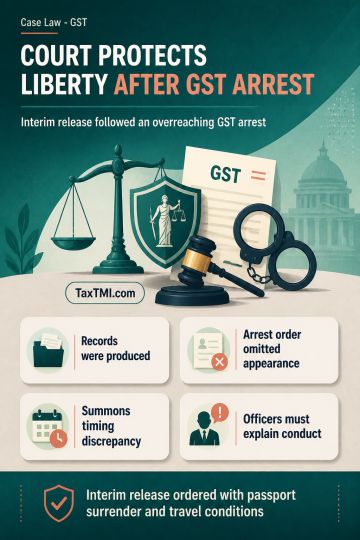
Personal liberty safeguards restrict arrest after court-directed GST appearance, requiring interim release where authorities overreach pending proceed...
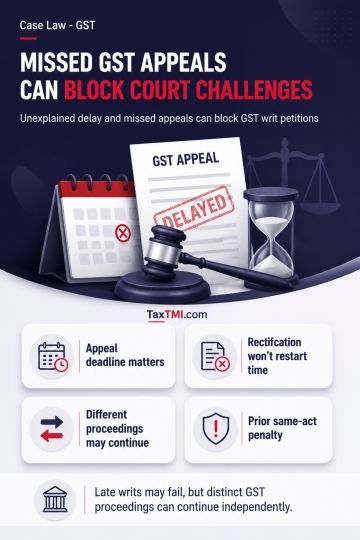
Alternative statutory remedy and delay bar GST writ challenges despite pending rectification, while distinct subject matter permits parallel proceedin...
CESTAT allowed the appeals filed by various anonymous tile manufacturers and associated noticees, setting aside the entire demand of central excise duty, interest and penalties arising from alleged clandestine manufacture and removal of ceramic/vitrified tiles and sanitaryware. The Tribunal held that the Dept. failed to discharge its burden of proof, as the case rested almost entirely on uncorroborated third-party statements, scribbled bank entries and assumptions, without seizure of offending goods, excess stock, corroborative transport documents, or evidence of excess raw material, power consumption or labour. CESTAT also noted non-compliance with s. 9D of the Central Excise Act, 1944, since key statements were neither properly examined in chief nor subjected to cross-examination. Finding the investigation slipshod and the evidentiary standard of preponderance of probability unmet, CESTAT ruled that the allegation of clandestine removal was unsustainable, rendering all consequential demands and penalties invalid.
CESTAT allowed the appeals filed by various anonymous tile manufacturers and associated noticees, setting aside the entire demand of central excise duty, interest and penalties arising from alleged clandestine manufacture and removal of ceramic/vitrified tiles and sanitaryware. The Tribunal held that the Dept. failed to discharge its burden of proof, as the case rested almost entirely on uncorroborated third-party statements, scribbled bank entries and assumptions, without seizure of offending goods, excess stock, corroborative transport documents, or evidence of excess raw material, power consumption or labour. CESTAT also noted non-compliance with s. 9D of the Central Excise Act, 1944, since key statements were neither properly examined in chief nor subjected to cross-examination. Finding the investigation slipshod and the evidentiary standard of preponderance of probability unmet, CESTAT ruled that the allegation of clandestine removal was unsustainable, rendering all consequential demands and penalties invalid.
Note: It is a system-generated summary and is for quick reference only.
 TaxTMI
  TaxTMI
 of 4881