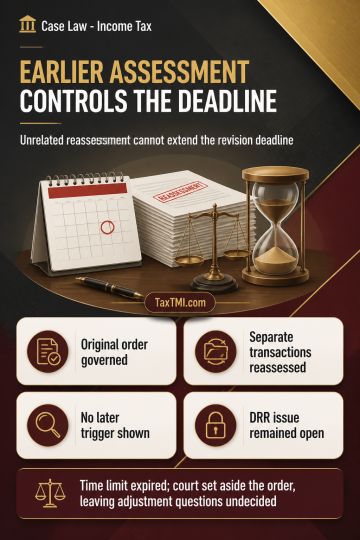
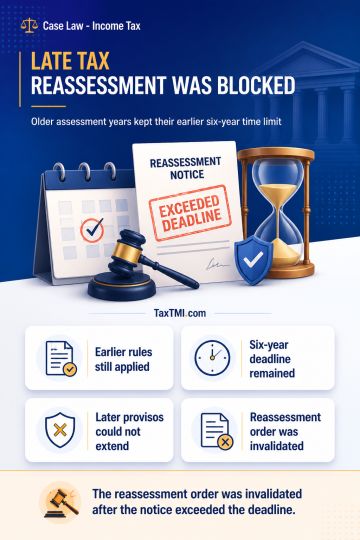
Pre-amendment reassessment limitation bars late notices under the preserved regime, invalidating consequential reassessment for affected earlier asses...
Cash-sales explanations for bank deposits require documentary reconciliation; reassessment notice survived where effective response time was available...
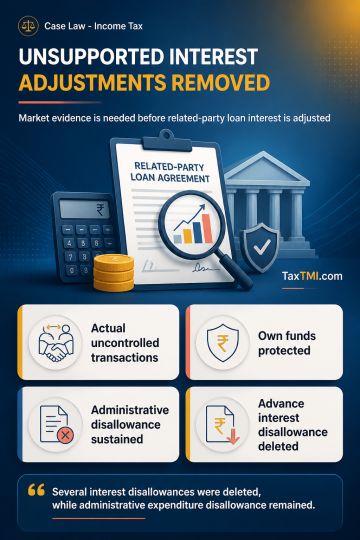
Functional comparability in transfer pricing prevents ad hoc arm's length adjustments where functions, assets, risks and reliable comparables are unes...
The ITAT upheld the decision of the CIT(A) allowing the assessee to set off Long-Term Capital Loss from the sale of unlisted shares against Long-Term Capital Gain arising from a slump sale under section 50B. The tribunal found the transactions genuine, supported by audited financial statements, share certificates, valuation reports, and proper banking channels. The assessee's investment and subsequent loss were determined to be bona fide business decisions based on financial data and updated prospects, not a tax evasion device. The AO failed to produce evidence of collusion, fictitious transactions, or related-party manipulation. The tribunal applied established legal principles affirming that commercial expediency is assessed from the businessman's perspective and mere tax advantage does not invalidate a valid transaction. Consequently, the addition disallowing the loss was deleted, and the Revenue's appeal was dismissed.
The ITAT upheld the decision of the CIT(A) allowing the assessee to set off Long-Term Capital Loss from the sale of unlisted shares against Long-Term Capital Gain arising from a slump sale under section 50B. The tribunal found the transactions genuine, supported by audited financial statements, share certificates, valuation reports, and proper banking channels. The assessee's investment and subsequent loss were determined to be bona fide business decisions based on financial data and updated prospects, not a tax evasion device. The AO failed to produce evidence of collusion, fictitious transactions, or related-party manipulation. The tribunal applied established legal principles affirming that commercial expediency is assessed from the businessman's perspective and mere tax advantage does not invalidate a valid transaction. Consequently, the addition disallowing the loss was deleted, and the Revenue's appeal was dismissed.
Note: It is a system-generated summary and is for quick reference only.
 TaxTMI
 TaxTMI

 of 4918