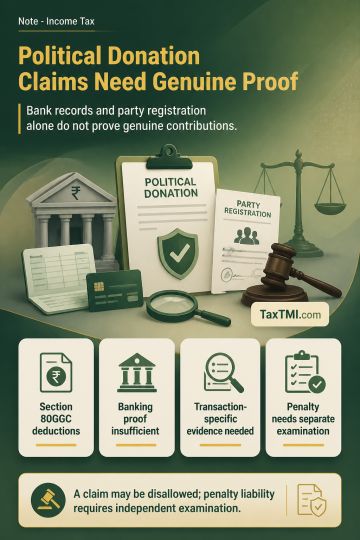
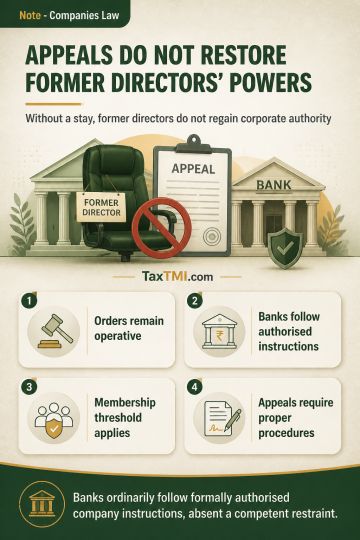
Political contribution deductions require genuine transactions; banking records and party registration alone cannot defeat evidence of accommodation e...
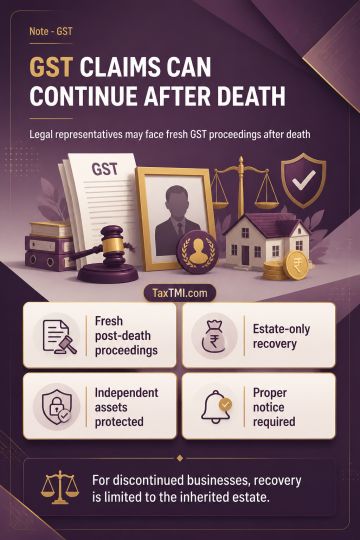
Post-death GST liability permits fresh proceedings against legal representatives, while discontinued-business recovery remains limited to the inherite...
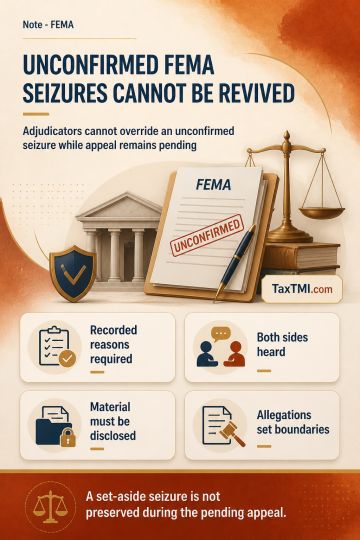
Non-confirmation of FEMA seizure prevents adjudicators from overriding pending appellate findings on recorded reasons and suspected foreign asset hold...
The ITAT held that donations received by the assessee trust with specific directions for use in its core activities qualify as corpus donations under section 11(1)(d). Despite the absence of explicit mention of "corpus" on all receipts, the tribunal found that the donors intended the funds to be capital contributions for the trust's objectives, not general donations. The ruling clarified that corpus includes capital contributions made with the intent to be held and utilized for the trust's purposes, and such receipts are exempt from tax. Consequently, the AO's treatment of the donations as general receipts was reversed, and the donations were directed to be treated as corpus donations, thereby exempting them from tax. The assessee's appeal was allowed.
The ITAT held that donations received by the assessee trust with specific directions for use in its core activities qualify as corpus donations under section 11(1)(d). Despite the absence of explicit mention of "corpus" on all receipts, the tribunal found that the donors intended the funds to be capital contributions for the trust's objectives, not general donations. The ruling clarified that corpus includes capital contributions made with the intent to be held and utilized for the trust's purposes, and such receipts are exempt from tax. Consequently, the AO's treatment of the donations as general receipts was reversed, and the donations were directed to be treated as corpus donations, thereby exempting them from tax. The assessee's appeal was allowed.
Note: It is a system-generated summary and is for quick reference only.
 TaxTMI
  TaxTMI