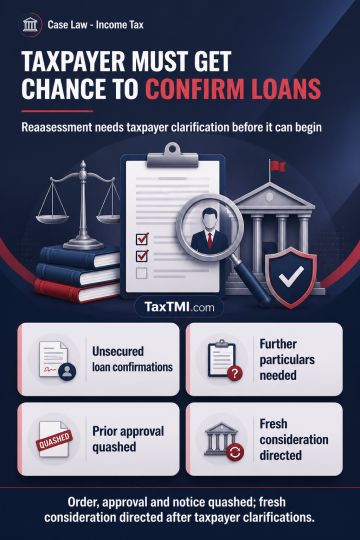
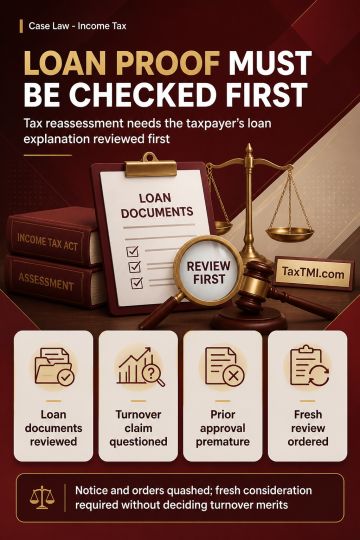
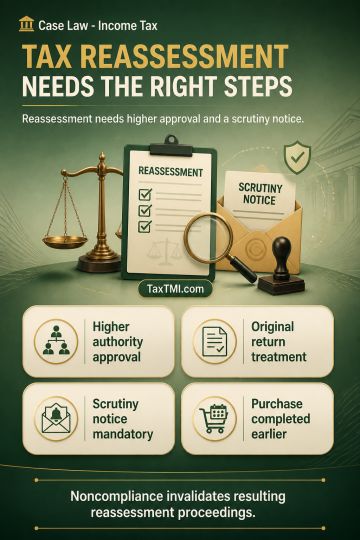
Opportunity to furnish unsecured-loan confirmations is required before reassessment initiation; proceedings require fresh consideration after taxpayer...
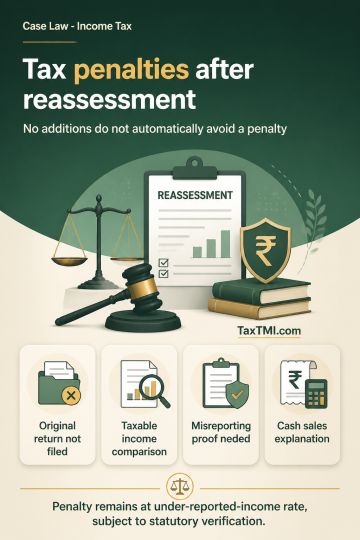
Under-reporting on a first reassessment return attracts penalty, while enhanced misreporting penalty requires proof of a statutory misreporting catego...
The CESTAT held that electricity generated by the appellant constitutes "excisable goods" under Section 2(d) of the Central Excise Act, 1944, as it is specified in the Central Excise Tariff Act, 1985 (Tariff Item No. 2716 0000) and is marketable. Despite the absence of a prescribed excise duty rate for electricity, it qualifies as excisable goods. Regarding the levy of service tax, the Tribunal distinguished the transaction as a contract of sale rather than a service contract. Following precedent affirmed by the Supreme Court, it was held that no service tax is leviable on the sale of electricity. Consequently, the impugned order demanding service tax was set aside, and the appeal was allowed in favor of the appellant.
The CESTAT held that electricity generated by the appellant constitutes "excisable goods" under Section 2(d) of the Central Excise Act, 1944, as it is specified in the Central Excise Tariff Act, 1985 (Tariff Item No. 2716 0000) and is marketable. Despite the absence of a prescribed excise duty rate for electricity, it qualifies as excisable goods. Regarding the levy of service tax, the Tribunal distinguished the transaction as a contract of sale rather than a service contract. Following precedent affirmed by the Supreme Court, it was held that no service tax is leviable on the sale of electricity. Consequently, the impugned order demanding service tax was set aside, and the appeal was allowed in favor of the appellant.
Note: It is a system-generated summary and is for quick reference only.
 TaxTMI
  TaxTMI
 of 4915