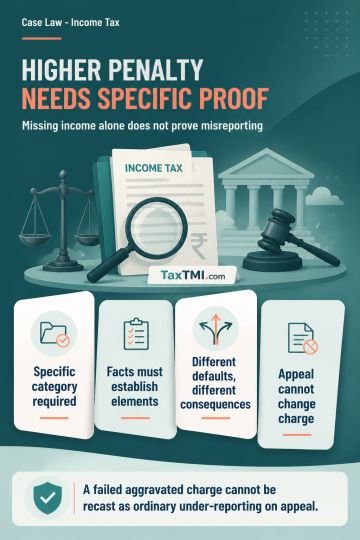
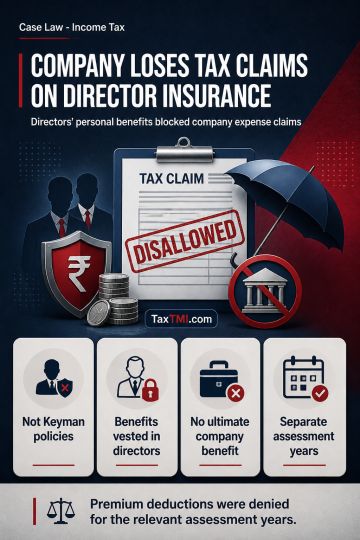
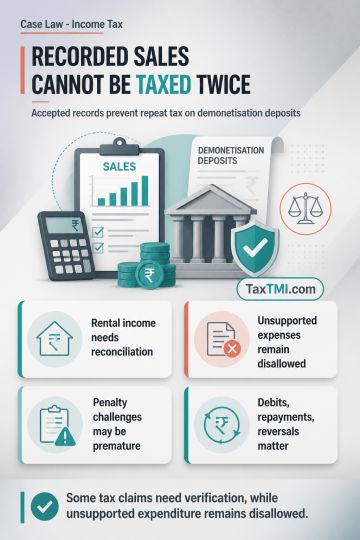
Capital-gains exemption for charitable trusts extends to qualifying fixed deposits, while unrecoverable TDS write-offs may constitute income applicati...
India-UK treaty characterisation of telecom-service receipts as business profits withstands unilateral domestic-law amendments for Indian tax purposes...
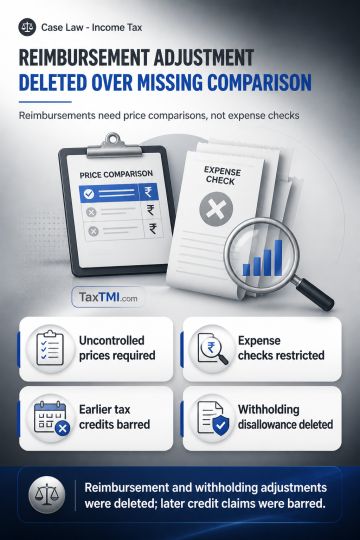
Transfer-pricing reimbursement adjustments require uncontrolled comparables and cannot become expense-genuineness reviews, resulting in deletion of th...
Food import sampling requirements support provisional release where unseized consignments conform to standards and raw areca classification is unestab...
The ITAT upheld the allowability of depreciation on goodwill arising from a court-sanctioned amalgamation under section 32(1)(ii), rejecting the AO's disallowance and reliance on AS-26 and precedent. The tribunal affirmed that once depreciation is allowed, the carry-forward of unabsorbed depreciation is a vested right and cannot be denied without reversal by a competent forum, thereby dismissing the AO's disallowance of brought-forward depreciation. Product registration expenses were held to be revenue in nature and deductible under section 37(1), not capital expenditure. The claim for deduction under section 80-IC was sustained, as the Baddi Unit was found to have operational autonomy and no nexus was established to allocate corporate expenses to it. Scrap income was deemed eligible for deduction under section 80-IC, consistent with prior assessments. Finally, the enhanced income due to disallowance under section 40(a)(ia) was held eligible for deduction under section 80-IC. All revenue appeals were dismissed.
The ITAT upheld the allowability of depreciation on goodwill arising from a court-sanctioned amalgamation under section 32(1)(ii), rejecting the AO's disallowance and reliance on AS-26 and precedent. The tribunal affirmed that once depreciation is allowed, the carry-forward of unabsorbed depreciation is a vested right and cannot be denied without reversal by a competent forum, thereby dismissing the AO's disallowance of brought-forward depreciation. Product registration expenses were held to be revenue in nature and deductible under section 37(1), not capital expenditure. The claim for deduction under section 80-IC was sustained, as the Baddi Unit was found to have operational autonomy and no nexus was established to allocate corporate expenses to it. Scrap income was deemed eligible for deduction under section 80-IC, consistent with prior assessments. Finally, the enhanced income due to disallowance under section 40(a)(ia) was held eligible for deduction under section 80-IC. All revenue appeals were dismissed.
Note: It is a system-generated summary and is for quick reference only.
 TaxTMI
  TaxTMI
 of 4902