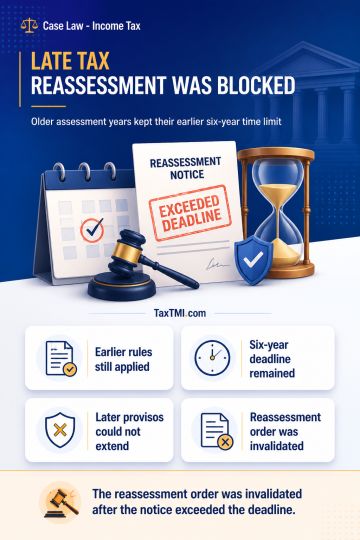
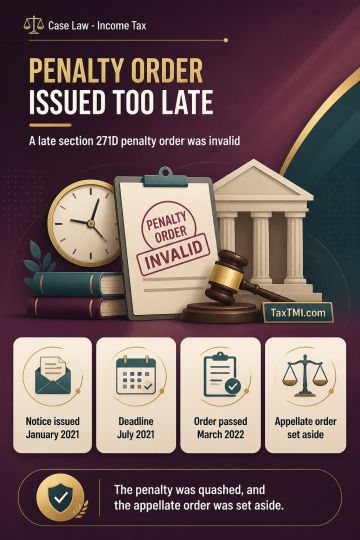
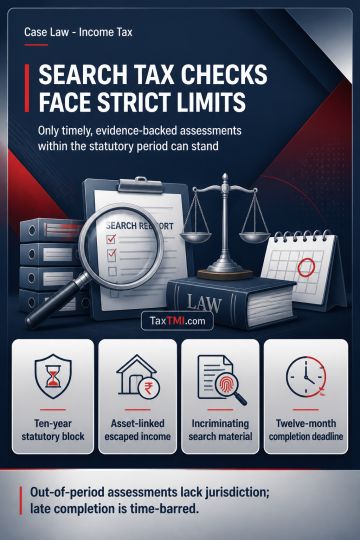
Pre-amendment reassessment limitation bars late notices under the preserved regime, invalidating consequential reassessment for affected earlier asses...
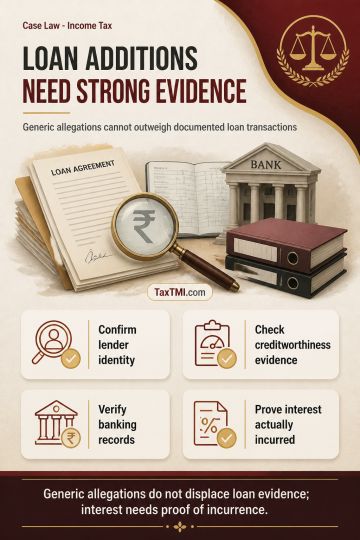
Cash-sales explanations for bank deposits require documentary reconciliation; reassessment notice survived where effective response time was available...
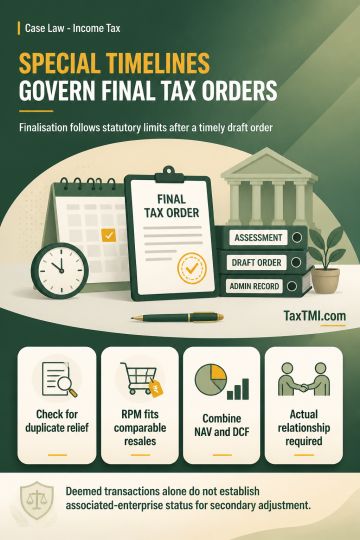
Functional comparability in transfer pricing prevents ad hoc arm's length adjustments where functions, assets, risks and reliable comparables are unes...
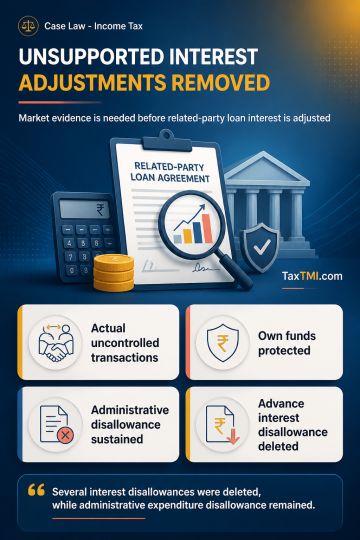
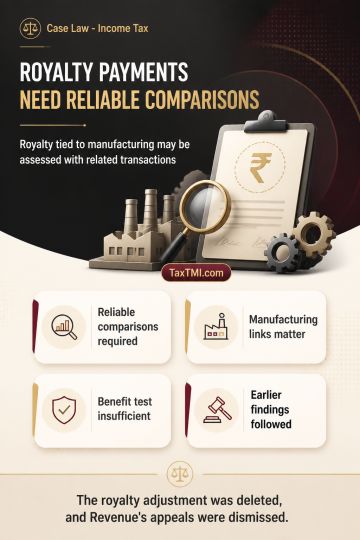
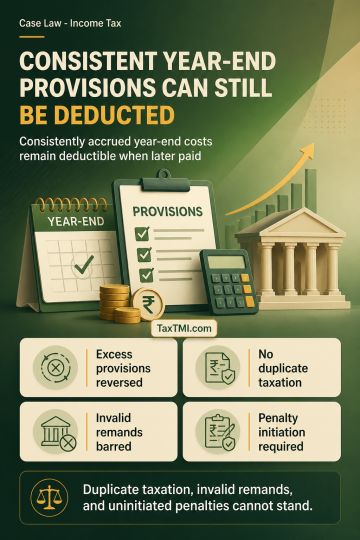
Contingency expenses, exempt-income disallowance, and royalty benchmarking: unsupported adjustments were deleted under consistent accounting and trans...
The ITAT allowed the appeal in part, directing the AO to recalculate the disallowance under section 14A read with Rule 8D by considering only investments yielding exempt income, in line with established precedents. The AO's non-acceptance of the assessee's suo-moto disallowance sufficed to demonstrate dissatisfaction, obviating the need for formal recording. Regarding the employee cost provision, the tribunal held that the assessee's creation of a provision for wage revision payments constituted an allowable business expenditure, rejecting its classification as a contingent liability. Finally, the AO was instructed to reconcile discrepancies between book profit figures in the assessment order and computation sheet, ensuring accurate determination. The appeal was allowed for statistical purposes with directions to provide the assessee a reasonable opportunity before passing the revised order.
The ITAT allowed the appeal in part, directing the AO to recalculate the disallowance under section 14A read with Rule 8D by considering only investments yielding exempt income, in line with established precedents. The AO's non-acceptance of the assessee's suo-moto disallowance sufficed to demonstrate dissatisfaction, obviating the need for formal recording. Regarding the employee cost provision, the tribunal held that the assessee's creation of a provision for wage revision payments constituted an allowable business expenditure, rejecting its classification as a contingent liability. Finally, the AO was instructed to reconcile discrepancies between book profit figures in the assessment order and computation sheet, ensuring accurate determination. The appeal was allowed for statistical purposes with directions to provide the assessee a reasonable opportunity before passing the revised order.
Note: It is a system-generated summary and is for quick reference only.
 TaxTMI
 TaxTMI

 of 4918