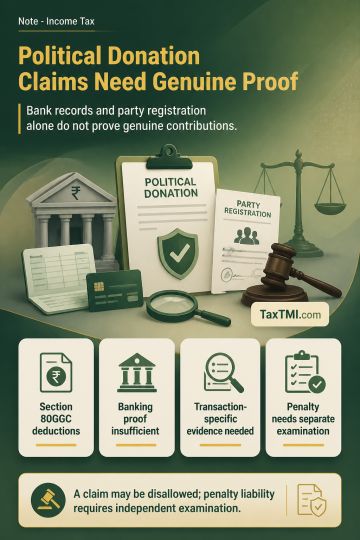
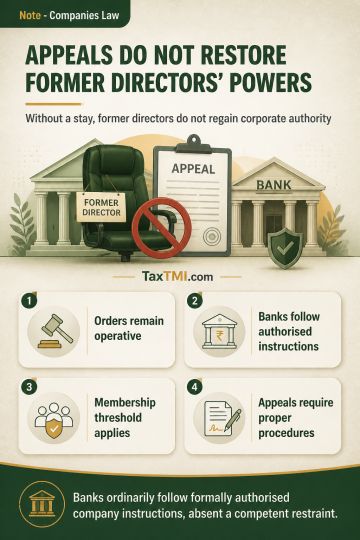
Political contribution deductions require genuine transactions; banking records and party registration alone cannot defeat evidence of accommodation e...
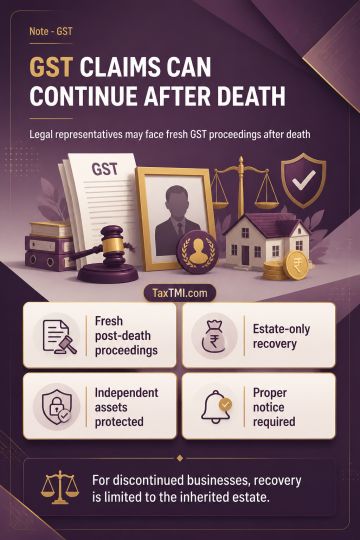
Post-death GST liability permits fresh proceedings against legal representatives, while discontinued-business recovery remains limited to the inherite...
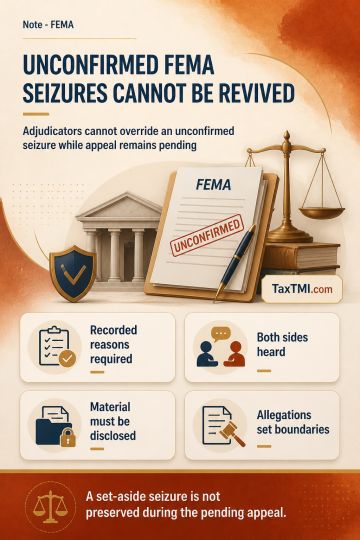
Non-confirmation of FEMA seizure prevents adjudicators from overriding pending appellate findings on recorded reasons and suspected foreign asset hold...
The ITAT allowed the appeal in part, directing the AO to recalculate the disallowance under section 14A read with Rule 8D by considering only investments yielding exempt income, in line with established precedents. The AO's non-acceptance of the assessee's suo-moto disallowance sufficed to demonstrate dissatisfaction, obviating the need for formal recording. Regarding the employee cost provision, the tribunal held that the assessee's creation of a provision for wage revision payments constituted an allowable business expenditure, rejecting its classification as a contingent liability. Finally, the AO was instructed to reconcile discrepancies between book profit figures in the assessment order and computation sheet, ensuring accurate determination. The appeal was allowed for statistical purposes with directions to provide the assessee a reasonable opportunity before passing the revised order.
The ITAT allowed the appeal in part, directing the AO to recalculate the disallowance under section 14A read with Rule 8D by considering only investments yielding exempt income, in line with established precedents. The AO's non-acceptance of the assessee's suo-moto disallowance sufficed to demonstrate dissatisfaction, obviating the need for formal recording. Regarding the employee cost provision, the tribunal held that the assessee's creation of a provision for wage revision payments constituted an allowable business expenditure, rejecting its classification as a contingent liability. Finally, the AO was instructed to reconcile discrepancies between book profit figures in the assessment order and computation sheet, ensuring accurate determination. The appeal was allowed for statistical purposes with directions to provide the assessee a reasonable opportunity before passing the revised order.
Note: It is a system-generated summary and is for quick reference only.
 TaxTMI
  TaxTMI