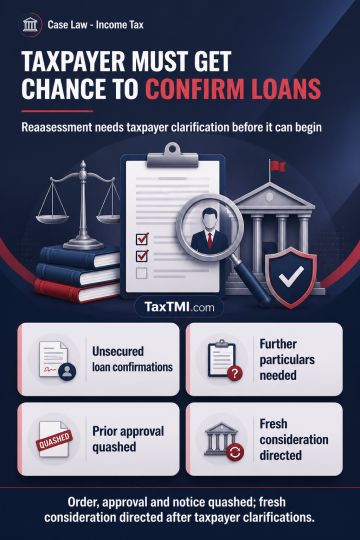
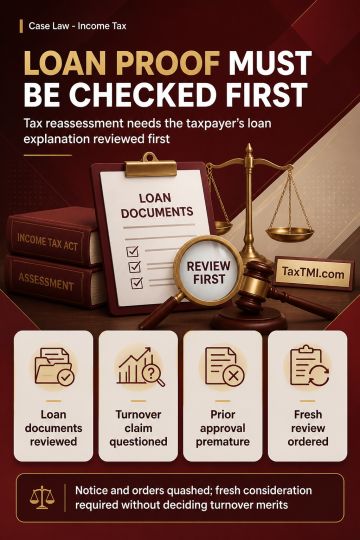
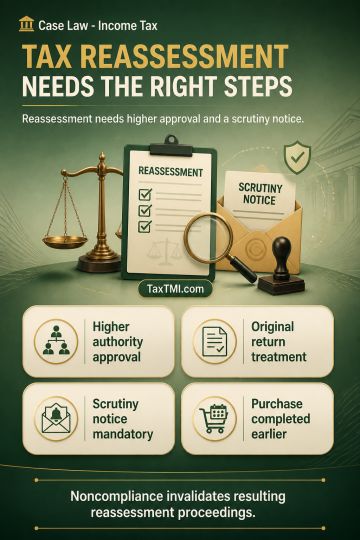
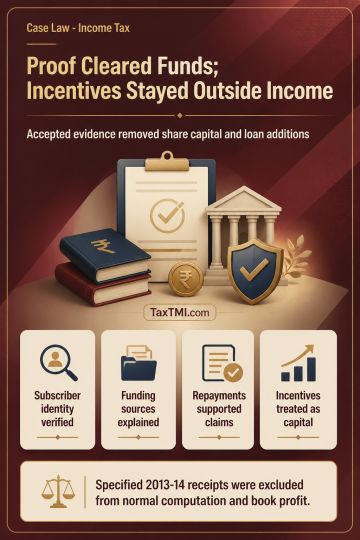
Opportunity to furnish unsecured-loan confirmations is required before reassessment initiation; proceedings require fresh consideration after taxpayer...
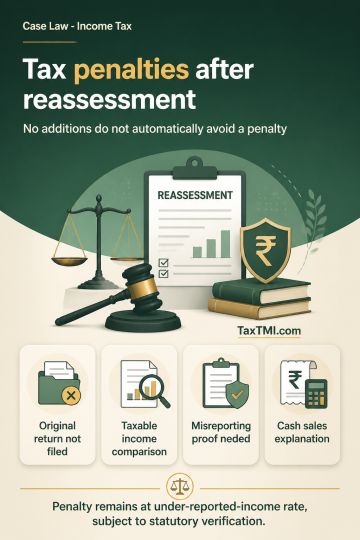
Under-reporting on a first reassessment return attracts penalty, while enhanced misreporting penalty requires proof of a statutory misreporting catego...
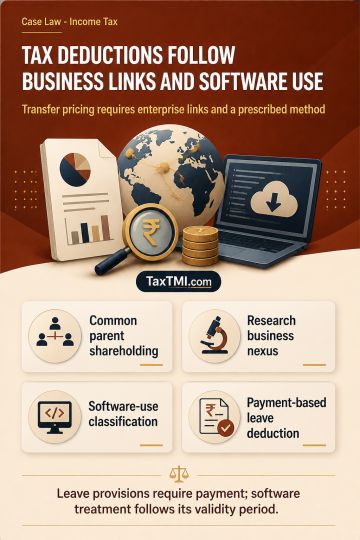
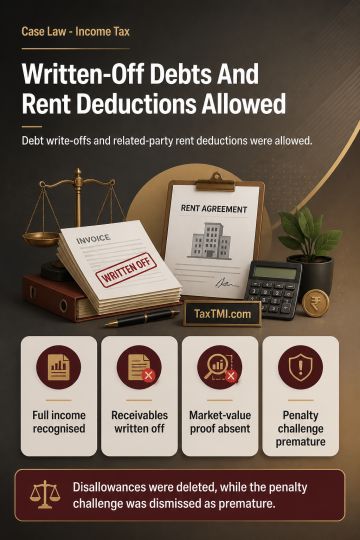
Form 26AS evidence requires successor-entity accounting verification after business transfer, while invoice-supported related-party advertising expend...
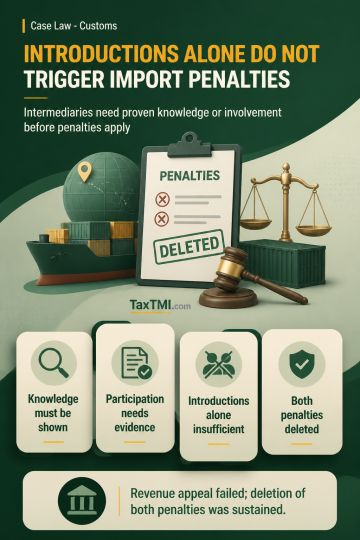
The CESTAT examined the imposition of penalty under section 112(a) of the Customs Act, 1962 against appellants accused of colluding to divert duty-free goods imported under the Advance Authorisation Scheme into the local market. The Tribunal emphasized the distinction between criminal mens rea and the strict liability nature of customs penalties. It found no cogent evidence demonstrating a common intention or active collusion between the appellants and other parties, including importers and High Sea Sellers, to facilitate diversion or contravention of customs provisions. The appellants' statements lacked corroborative support, and the prosecution failed to establish the requisite nexus for penalty imposition under section 112(a). Consequently, the Tribunal held that the penalty was not sustainable and set aside the charges, allowing the appeal.
The CESTAT examined the imposition of penalty under section 112(a) of the Customs Act, 1962 against appellants accused of colluding to divert duty-free goods imported under the Advance Authorisation Scheme into the local market. The Tribunal emphasized the distinction between criminal mens rea and the strict liability nature of customs penalties. It found no cogent evidence demonstrating a common intention or active collusion between the appellants and other parties, including importers and High Sea Sellers, to facilitate diversion or contravention of customs provisions. The appellants' statements lacked corroborative support, and the prosecution failed to establish the requisite nexus for penalty imposition under section 112(a). Consequently, the Tribunal held that the penalty was not sustainable and set aside the charges, allowing the appeal.
Note: It is a system-generated summary and is for quick reference only.
 TaxTMI
  TaxTMI
 of 4920