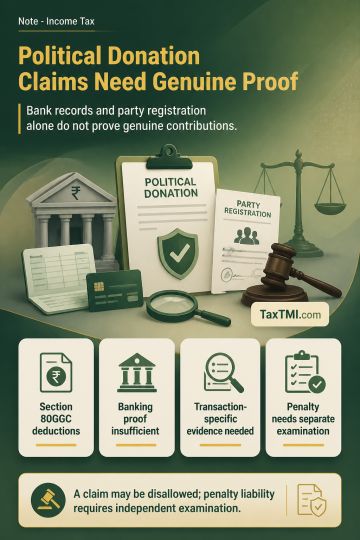
Political contribution deductions require genuine transactions; banking records and party registration alone cannot defeat evidence of accommodation e...
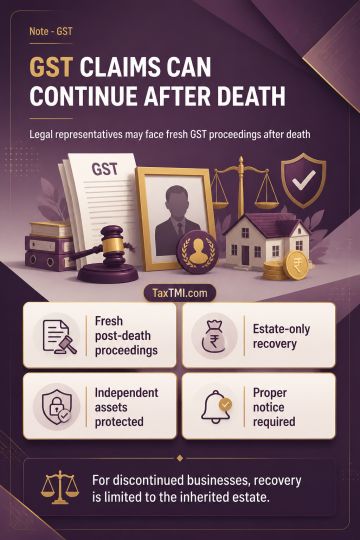
Post-death GST liability permits fresh proceedings against legal representatives, while discontinued-business recovery remains limited to the inherite...
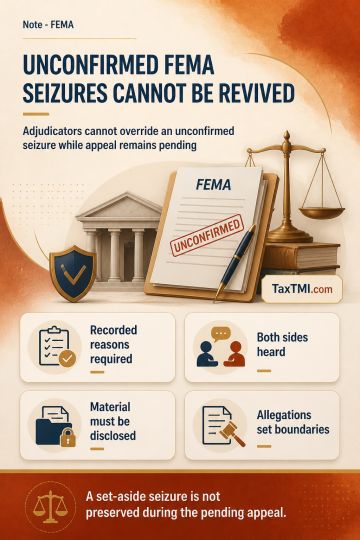
Non-confirmation of FEMA seizure prevents adjudicators from overriding pending appellate findings on recorded reasons and suspected foreign asset hold...
The CESTAT examined the imposition of penalty under section 112(a) of the Customs Act, 1962 against appellants accused of colluding to divert duty-free goods imported under the Advance Authorisation Scheme into the local market. The Tribunal emphasized the distinction between criminal mens rea and the strict liability nature of customs penalties. It found no cogent evidence demonstrating a common intention or active collusion between the appellants and other parties, including importers and High Sea Sellers, to facilitate diversion or contravention of customs provisions. The appellants' statements lacked corroborative support, and the prosecution failed to establish the requisite nexus for penalty imposition under section 112(a). Consequently, the Tribunal held that the penalty was not sustainable and set aside the charges, allowing the appeal.
The CESTAT examined the imposition of penalty under section 112(a) of the Customs Act, 1962 against appellants accused of colluding to divert duty-free goods imported under the Advance Authorisation Scheme into the local market. The Tribunal emphasized the distinction between criminal mens rea and the strict liability nature of customs penalties. It found no cogent evidence demonstrating a common intention or active collusion between the appellants and other parties, including importers and High Sea Sellers, to facilitate diversion or contravention of customs provisions. The appellants' statements lacked corroborative support, and the prosecution failed to establish the requisite nexus for penalty imposition under section 112(a). Consequently, the Tribunal held that the penalty was not sustainable and set aside the charges, allowing the appeal.
Note: It is a system-generated summary and is for quick reference only.
 TaxTMI
  TaxTMI