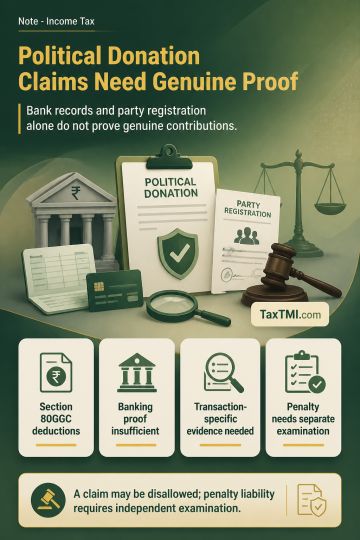
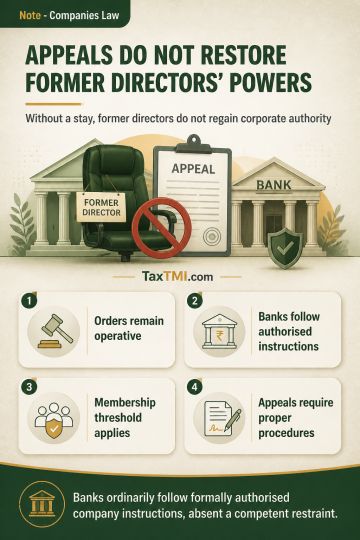
Political contribution deductions require genuine transactions; banking records and party registration alone cannot defeat evidence of accommodation e...
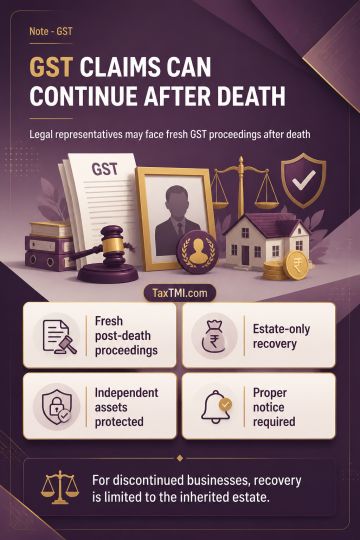
Post-death GST liability permits fresh proceedings against legal representatives, while discontinued-business recovery remains limited to the inherite...
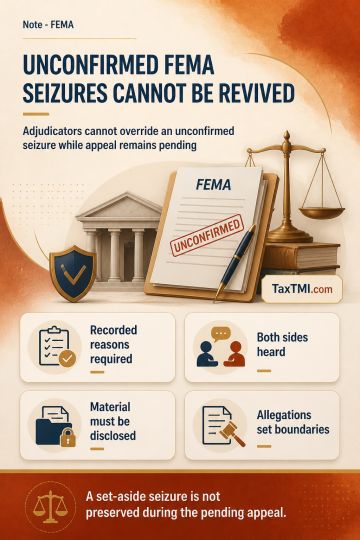
Non-confirmation of FEMA seizure prevents adjudicators from overriding pending appellate findings on recorded reasons and suspected foreign asset hold...
HC set aside penalty imposed under Section 129(3) of the Goods and Services Tax Act, ruling that mens rea is sine qua non for penalty imposition. The petitioner generated e-way bill after detention, with tax already paid, demonstrating no intent to evade tax. Court held that authorities cannot presume tax evasion based solely on procedural lapses such as expired e-way bills, particularly when valid reasons exist. The judgment emphasized that penalty proceedings require proof of intentional tax evasion, not mere technical violations. Respondent authorities failed to establish requisite intent or provide adequate reasoning for penalty imposition. Petition allowed, impugned order quashed for lacking foundational grounds regarding evasion intent.
HC set aside penalty imposed under Section 129(3) of the Goods and Services Tax Act, ruling that mens rea is sine qua non for penalty imposition. The petitioner generated e-way bill after detention, with tax already paid, demonstrating no intent to evade tax. Court held that authorities cannot presume tax evasion based solely on procedural lapses such as expired e-way bills, particularly when valid reasons exist. The judgment emphasized that penalty proceedings require proof of intentional tax evasion, not mere technical violations. Respondent authorities failed to establish requisite intent or provide adequate reasoning for penalty imposition. Petition allowed, impugned order quashed for lacking foundational grounds regarding evasion intent.
Note: It is a system-generated summary and is for quick reference only.
 TaxTMI
  TaxTMI