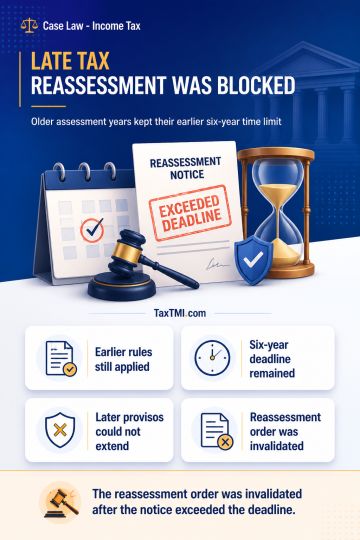
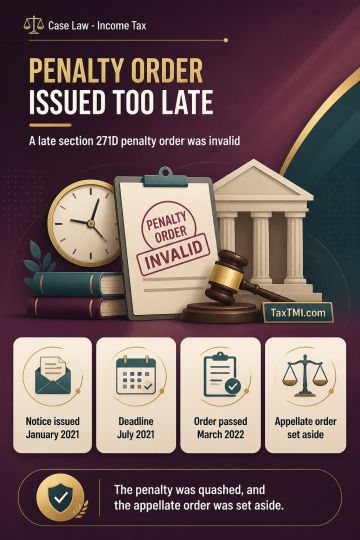
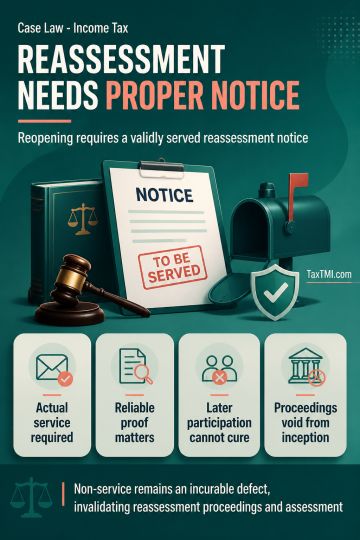
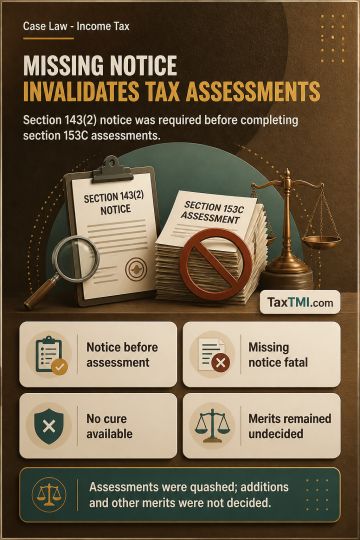
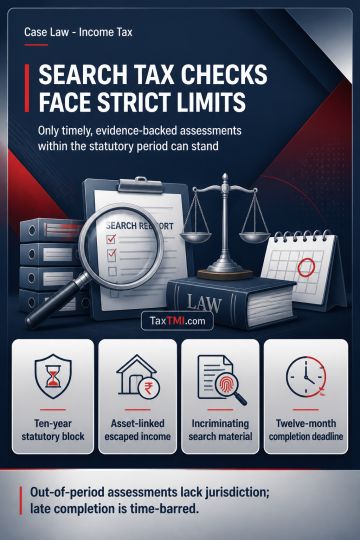
Pre-amendment reassessment limitation bars late notices under the preserved regime, invalidating consequential reassessment for affected earlier asses...
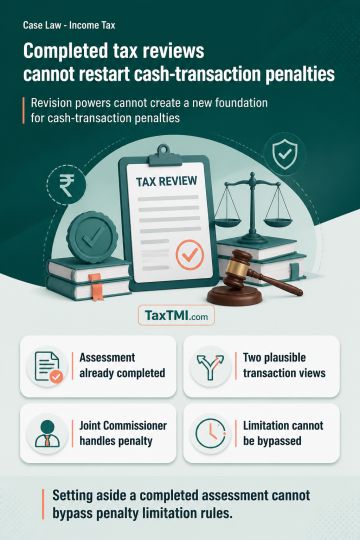
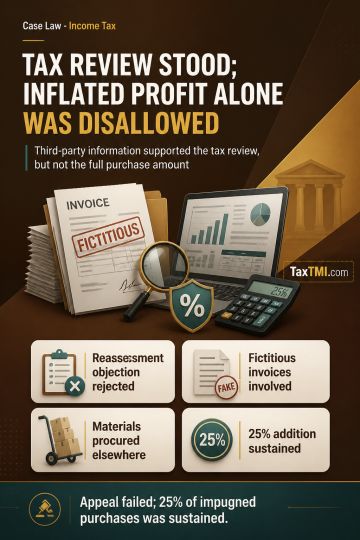
Cash-sales explanations for bank deposits require documentary reconciliation; reassessment notice survived where effective response time was available...
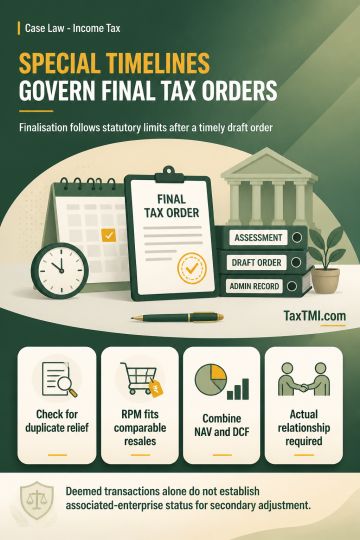
Functional comparability in transfer pricing prevents ad hoc arm's length adjustments where functions, assets, risks and reliable comparables are unes...
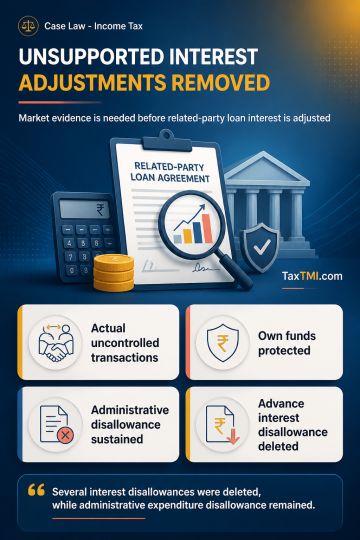
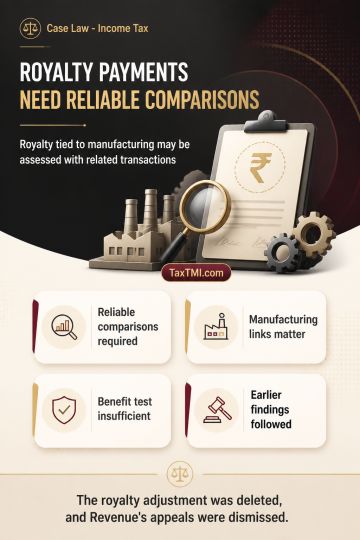
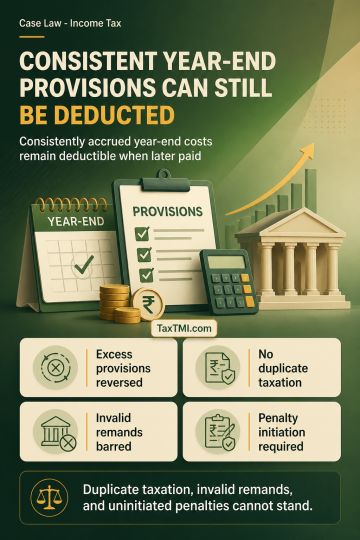
Contingency expenses, exempt-income disallowance, and royalty benchmarking: unsupported adjustments were deleted under consistent accounting and trans...
The HC dismissed appeals challenging FERA violations involving share transactions by an Indian company without RBI approval. The court determined that the Shroff daughters, who had traveled to the USA on student visas, were "persons resident outside India" rather than "persons resident in India" at the relevant time. This classification was based on evidence indicating their intention to stay abroad indefinitely, including their marriages to USA-settled persons and uncertain return plans. The court applied the animus manendi test and noted that Section 71 FERA places the burden of proving requisite permissions on the accused. Documentary evidence established contraventions of Sections 9, 19, and 29 read with Section 68 FERA. The court rejected arguments regarding disproportionate penalties given the transaction magnitude and upheld the Special Director's and Tribunal's factual findings.
The HC dismissed appeals challenging FERA violations involving share transactions by an Indian company without RBI approval. The court determined that the Shroff daughters, who had traveled to the USA on student visas, were "persons resident outside India" rather than "persons resident in India" at the relevant time. This classification was based on evidence indicating their intention to stay abroad indefinitely, including their marriages to USA-settled persons and uncertain return plans. The court applied the animus manendi test and noted that Section 71 FERA places the burden of proving requisite permissions on the accused. Documentary evidence established contraventions of Sections 9, 19, and 29 read with Section 68 FERA. The court rejected arguments regarding disproportionate penalties given the transaction magnitude and upheld the Special Director's and Tribunal's factual findings.
Note: It is a system-generated summary and is for quick reference only.
 TaxTMI
 TaxTMI

 of 4918