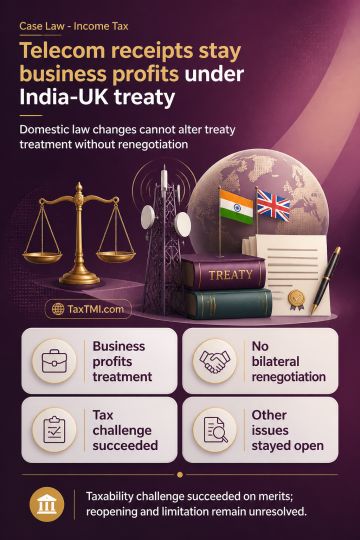
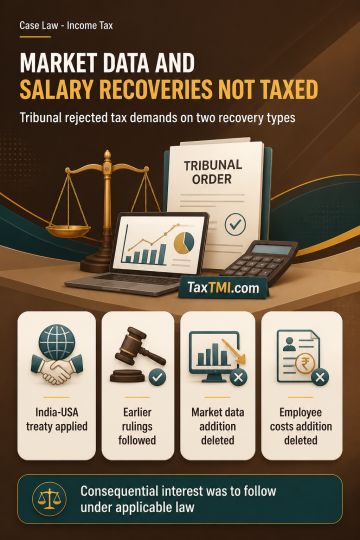
India-UK treaty characterisation of telecom-service receipts as business profits withstands unilateral domestic-law amendments for Indian tax purposes...
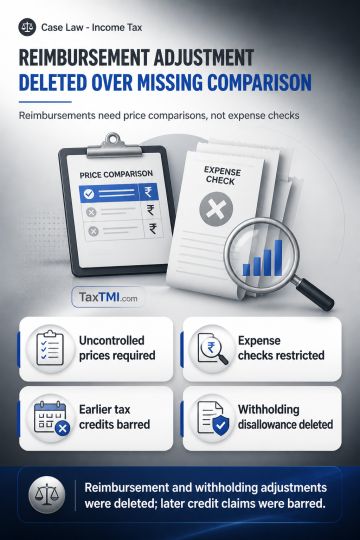
Transfer-pricing reimbursement adjustments require uncontrolled comparables and cannot become expense-genuineness reviews, resulting in deletion of th...
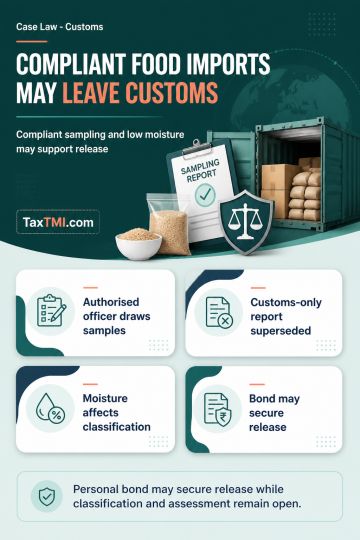
Food import sampling requirements support provisional release where unseized consignments conform to standards and raw areca classification is unestab...
The HC allowed the revision application in a dishonour of cheque case under Section 138 of the Negotiable Instruments Act. The complainant, a company director, filed the complaint in his individual capacity without proper authorization or power of attorney from the company. The agreement was executed between two companies, requiring the complainant to represent the company rather than act personally. While lack of authorization constitutes a curable defect per Supreme Court precedent in M.M.T.C. Ltd. v. Medchl Chemicals, the company failed to rectify this defect at any subsequent stage. The Court held that authorized persons must file complaints on behalf of and in the name of the principal, not in their personal capacity, making the complaint legally impermissible.
The HC allowed the revision application in a dishonour of cheque case under Section 138 of the Negotiable Instruments Act. The complainant, a company director, filed the complaint in his individual capacity without proper authorization or power of attorney from the company. The agreement was executed between two companies, requiring the complainant to represent the company rather than act personally. While lack of authorization constitutes a curable defect per Supreme Court precedent in M.M.T.C. Ltd. v. Medchl Chemicals, the company failed to rectify this defect at any subsequent stage. The Court held that authorized persons must file complaints on behalf of and in the name of the principal, not in their personal capacity, making the complaint legally impermissible.
Note: It is a system-generated summary and is for quick reference only.
 TaxTMI
  TaxTMI
 of 4868