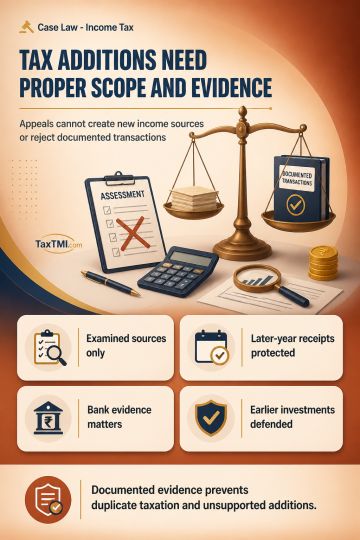
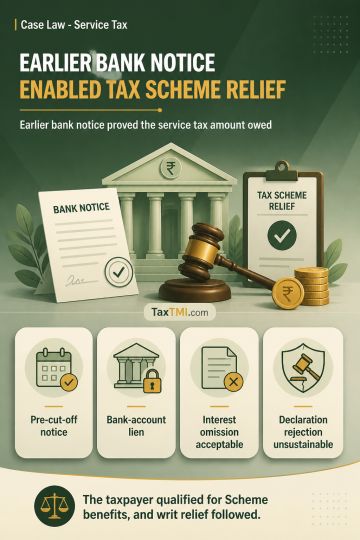
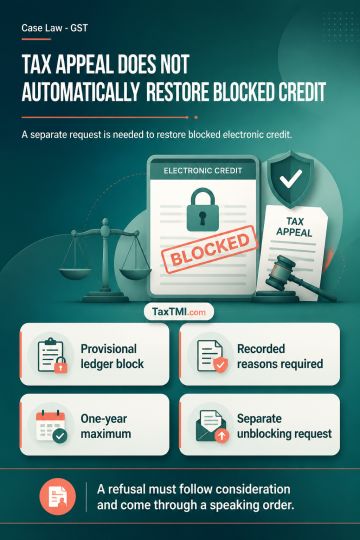
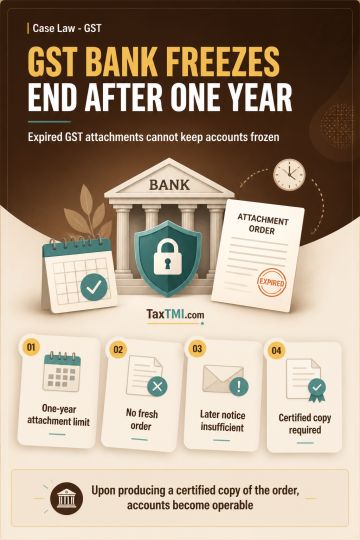
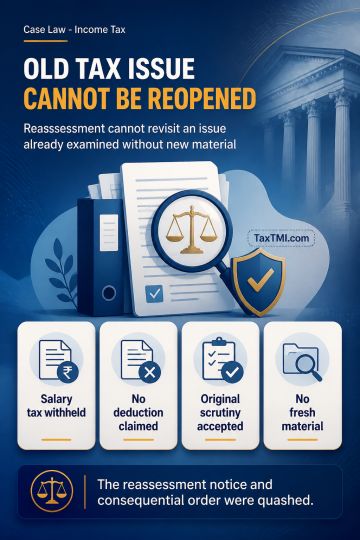
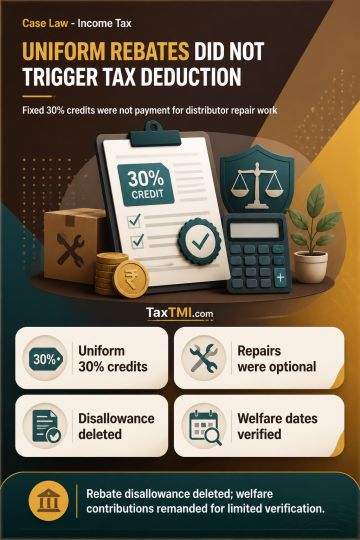
Appellate enhancement limits protect against new income sources, while documented credits and prior-year investments resist unexplained-income additio...
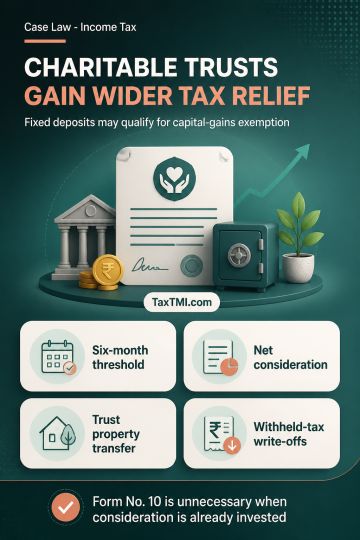
Capital-gains exemption for charitable trusts extends to qualifying fixed deposits, while unrecoverable TDS write-offs may constitute income applicati...
Page of 4868
Press 'Enter' after typing page number.
1 to 20 of 97344 Results
❮
❯
❯❯
0 / 200
Expand Note
Add to Folder
No Folders have been created
+
Are you sure you want to delete "My most important" ?
The HC allowed the revision application in a dishonour of cheque case under Section 138 of the Negotiable Instruments Act. The complainant, a company director, filed the complaint in his individual capacity without proper authorization or power of attorney from the company. The agreement was executed between two companies, requiring the complainant to represent the company rather than act personally. While lack of authorization constitutes a curable defect per Supreme Court precedent in M.M.T.C. Ltd. v. Medchl Chemicals, the company failed to rectify this defect at any subsequent stage. The Court held that authorized persons must file complaints on behalf of and in the name of the principal, not in their personal capacity, making the complaint legally impermissible.
The HC allowed the revision application in a dishonour of cheque case under Section 138 of the Negotiable Instruments Act. The complainant, a company director, filed the complaint in his individual capacity without proper authorization or power of attorney from the company. The agreement was executed between two companies, requiring the complainant to represent the company rather than act personally. While lack of authorization constitutes a curable defect per Supreme Court precedent in M.M.T.C. Ltd. v. Medchl Chemicals, the company failed to rectify this defect at any subsequent stage. The Court held that authorized persons must file complaints on behalf of and in the name of the principal, not in their personal capacity, making the complaint legally impermissible.
Note: It is a system-generated summary and is for quick reference only.
 TaxTMI
  TaxTMI