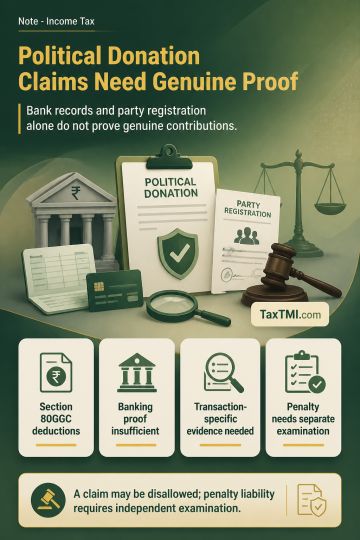
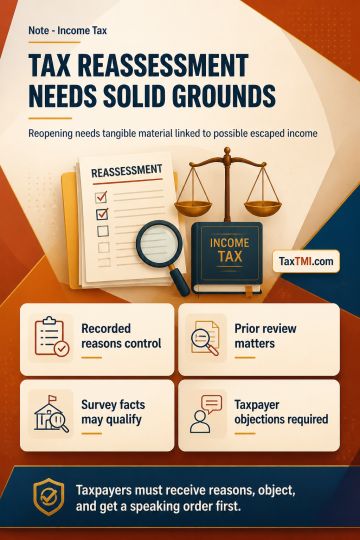
Political contribution deductions require genuine transactions; banking records and party registration alone cannot defeat evidence of accommodation e...
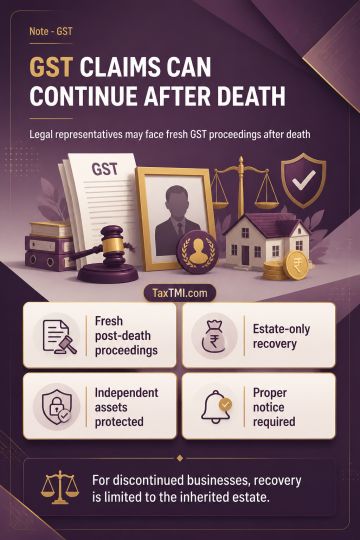
Post-death GST liability permits fresh proceedings against legal representatives, while discontinued-business recovery remains limited to the inherite...
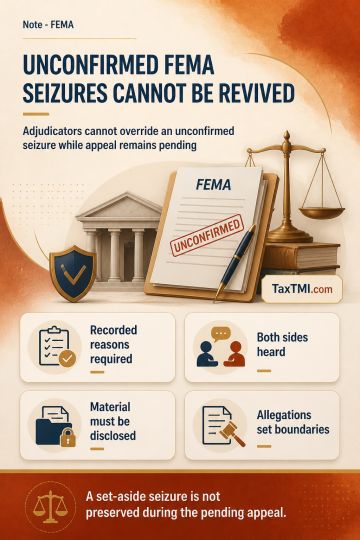
Non-confirmation of FEMA seizure prevents adjudicators from overriding pending appellate findings on recorded reasons and suspected foreign asset hold...
ITAT allowed the assessee's appeal challenging tax computation. The CPC's adjustment of tax rate from 25% to 30% was deemed unjustified, primarily because the adjustment was made on a debatable issue regarding gross turnover calculation without providing the assessee an opportunity to be heard, which violated the first proviso to section 143(1). The tribunal found that the issues surrounding service tax input credit, interest income, and recovery of bad debts constituted a complex interpretative matter that could not be summarily resolved through a unilateral adjustment. Consequently, the computational order was set aside, restoring the original tax assessment at 25%.
ITAT allowed the assessee's appeal challenging tax computation. The CPC's adjustment of tax rate from 25% to 30% was deemed unjustified, primarily because the adjustment was made on a debatable issue regarding gross turnover calculation without providing the assessee an opportunity to be heard, which violated the first proviso to section 143(1). The tribunal found that the issues surrounding service tax input credit, interest income, and recovery of bad debts constituted a complex interpretative matter that could not be summarily resolved through a unilateral adjustment. Consequently, the computational order was set aside, restoring the original tax assessment at 25%.
Note: It is a system-generated summary and is for quick reference only.
 TaxTMI
  TaxTMI