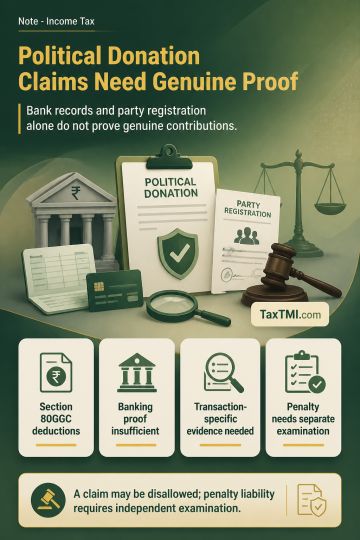
Political contribution deductions require genuine transactions; banking records and party registration alone cannot defeat evidence of accommodation e...
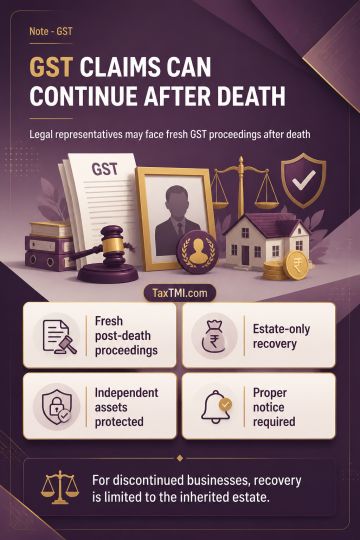
Post-death GST liability permits fresh proceedings against legal representatives, while discontinued-business recovery remains limited to the inherite...
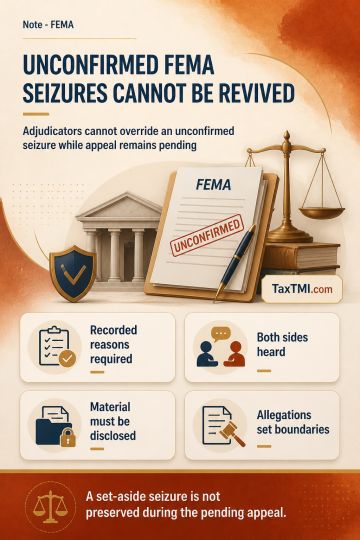
Non-confirmation of FEMA seizure prevents adjudicators from overriding pending appellate findings on recorded reasons and suspected foreign asset hold...
The ITAT adjudicated a tax dispute involving unaccounted receipts and expenses in business transactions. The tribunal held that seized materials must be read holistically, rejecting the Assessing Officer's selective approach. Applying the principle of not simultaneously taxing income source and application, the tribunal directed adoption of a 13% profit margin instead of 14%. For completed assessments without incriminating materials during search proceedings, the tribunal followed Supreme Court precedent and deleted additions made by the Assessing Officer. Consequently, the assessee's appeal was allowed, with the jurisdictional officer instructed to recalculate tax liability based on the 13% profit margin and holistic assessment of unaccounted transactions.
The ITAT adjudicated a tax dispute involving unaccounted receipts and expenses in business transactions. The tribunal held that seized materials must be read holistically, rejecting the Assessing Officer's selective approach. Applying the principle of not simultaneously taxing income source and application, the tribunal directed adoption of a 13% profit margin instead of 14%. For completed assessments without incriminating materials during search proceedings, the tribunal followed Supreme Court precedent and deleted additions made by the Assessing Officer. Consequently, the assessee's appeal was allowed, with the jurisdictional officer instructed to recalculate tax liability based on the 13% profit margin and holistic assessment of unaccounted transactions.
Note: It is a system-generated summary and is for quick reference only.
 TaxTMI
  TaxTMI