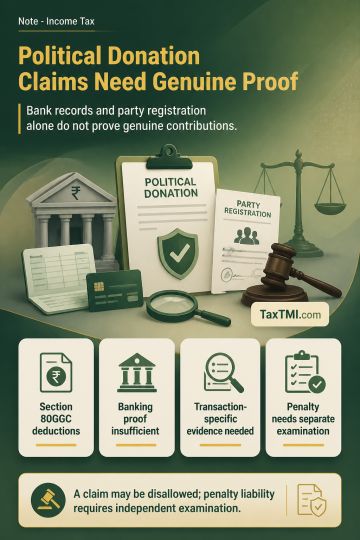
Political contribution deductions require genuine transactions; banking records and party registration alone cannot defeat evidence of accommodation e...
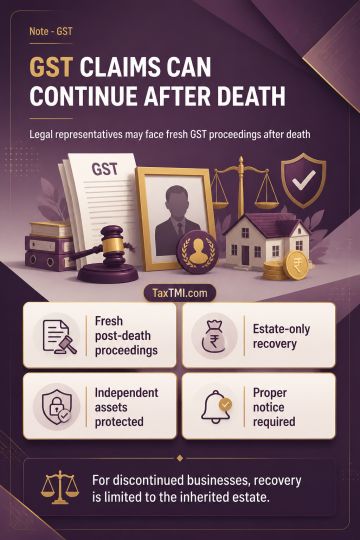
Post-death GST liability permits fresh proceedings against legal representatives, while discontinued-business recovery remains limited to the inherite...
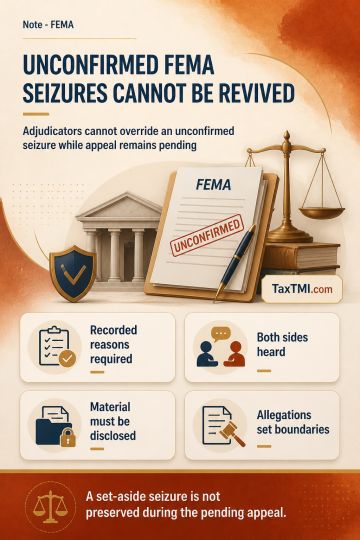
Non-confirmation of FEMA seizure prevents adjudicators from overriding pending appellate findings on recorded reasons and suspected foreign asset hold...
The SC addressed anticipatory bail and evidentiary issues involving criminal conspiracy allegations. The court emphasized strict scrutiny of statements recorded under Section 161 CrPC, particularly confessional statements by accused persons. Critically, the court held that police statements by accused are inadmissible as evidence, with Section 25 of the Evidence Act rendering such confessions per se inadmissible. The court cautioned investigating agencies against using third-degree methods or coercing witnesses, mandating fair and transparent investigations. The petitions were disposed of, with directions that any future bail applications be considered on individual merits in accordance with established legal principles, maintaining the fundamental integrity of the judicial process.
The SC addressed anticipatory bail and evidentiary issues involving criminal conspiracy allegations. The court emphasized strict scrutiny of statements recorded under Section 161 CrPC, particularly confessional statements by accused persons. Critically, the court held that police statements by accused are inadmissible as evidence, with Section 25 of the Evidence Act rendering such confessions per se inadmissible. The court cautioned investigating agencies against using third-degree methods or coercing witnesses, mandating fair and transparent investigations. The petitions were disposed of, with directions that any future bail applications be considered on individual merits in accordance with established legal principles, maintaining the fundamental integrity of the judicial process.
Note: It is a system-generated summary and is for quick reference only.
 TaxTMI
  TaxTMI