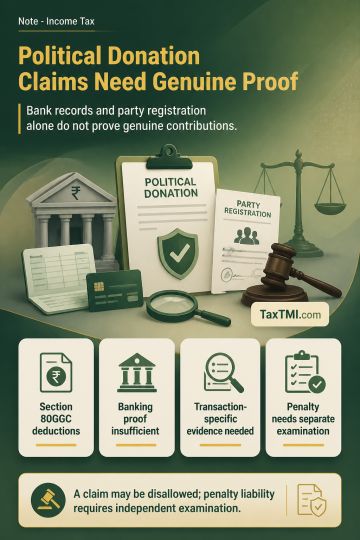
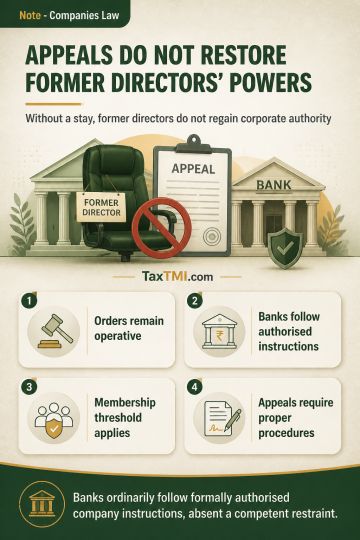
Political contribution deductions require genuine transactions; banking records and party registration alone cannot defeat evidence of accommodation e...
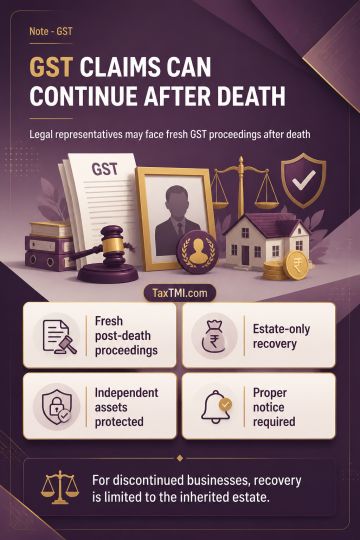
Post-death GST liability permits fresh proceedings against legal representatives, while discontinued-business recovery remains limited to the inherite...
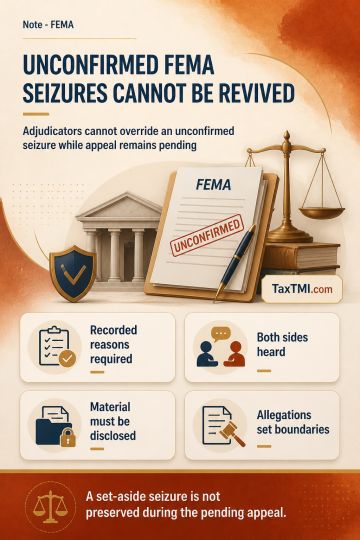
Non-confirmation of FEMA seizure prevents adjudicators from overriding pending appellate findings on recorded reasons and suspected foreign asset hold...
SC reviewed the guidelines for Senior Advocate designation under Section 16(2) of the Advocates Act, 1961. The Court found the existing point-based assessment system ineffective and subjective. Key conclusions mandate High Courts to frame new Rules within 4 months, emphasizing: Full Court decision-making, democratic voting if consensus fails, maintaining 10-year practice minimum, allowing self-application and ex-officio designation, prohibiting individual judicial recommendations, and conducting annual designation exercises. Existing processes initiated under previous guidelines remain valid, but new applications are suspended until proper Rules are established. The Court emphasized continuous system improvement and transparency in the designation process.
SC reviewed the guidelines for Senior Advocate designation under Section 16(2) of the Advocates Act, 1961. The Court found the existing point-based assessment system ineffective and subjective. Key conclusions mandate High Courts to frame new Rules within 4 months, emphasizing: Full Court decision-making, democratic voting if consensus fails, maintaining 10-year practice minimum, allowing self-application and ex-officio designation, prohibiting individual judicial recommendations, and conducting annual designation exercises. Existing processes initiated under previous guidelines remain valid, but new applications are suspended until proper Rules are established. The Court emphasized continuous system improvement and transparency in the designation process.
Note: It is a system-generated summary and is for quick reference only.
 TaxTMI
  TaxTMI