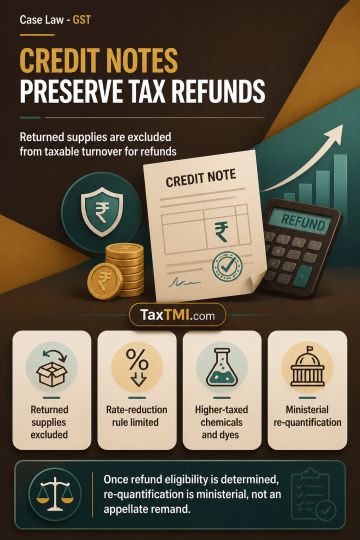
Credit-note turnover adjustments preserve inverted-duty refunds, while ministerial re-computation does not constitute an impermissible appellate reman...
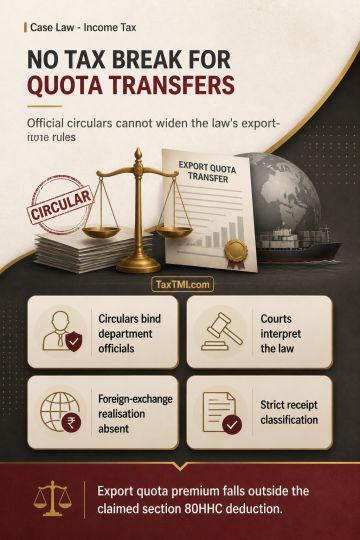
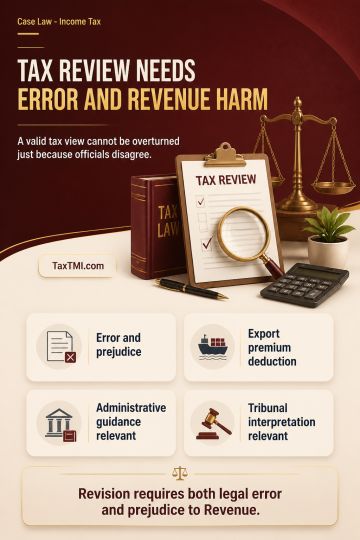
Revisional jurisdiction over export quota premium deductions requires both error and Revenue prejudice; a permissible assessment view cannot be displa...
NCLAT analyzed a complex insolvency resolution case involving an assignment agreement and Section 7 application. The Tribunal held that the assignment agreement is partially void regarding immovable property in Tamil Nadu under Section 28 of the Registration Act, but remains valid for other financial assets. The Section 7 application was deemed not time-barred due to continuous debt acknowledgment in balance sheets. The appellant's deposit of principal amount did not discharge the financial creditor's debt, as the amount was not reflective of the debt at the time of application. The Tribunal ultimately upheld the adjudicating authority's order admitting the Section 7 application and disposed of the appeal accordingly.
NCLAT analyzed a complex insolvency resolution case involving an assignment agreement and Section 7 application. The Tribunal held that the assignment agreement is partially void regarding immovable property in Tamil Nadu under Section 28 of the Registration Act, but remains valid for other financial assets. The Section 7 application was deemed not time-barred due to continuous debt acknowledgment in balance sheets. The appellant's deposit of principal amount did not discharge the financial creditor's debt, as the amount was not reflective of the debt at the time of application. The Tribunal ultimately upheld the adjudicating authority's order admitting the Section 7 application and disposed of the appeal accordingly.
Note: It is a system-generated summary and is for quick reference only.
 TaxTMI
  TaxTMI