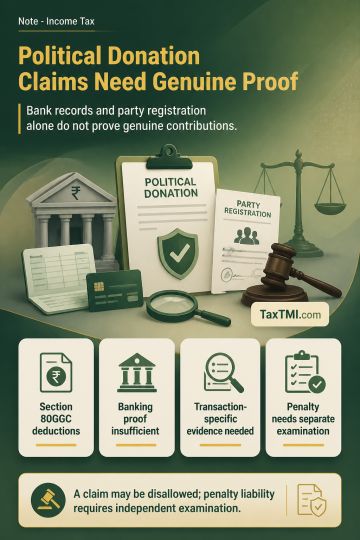
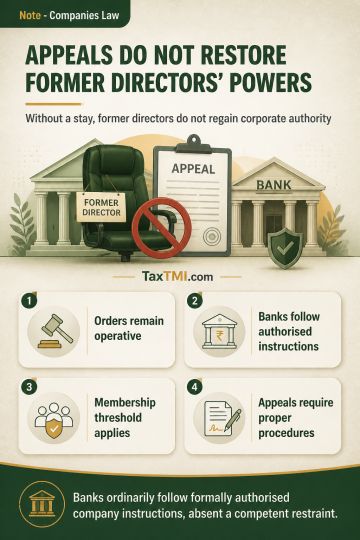
Political contribution deductions require genuine transactions; banking records and party registration alone cannot defeat evidence of accommodation e...
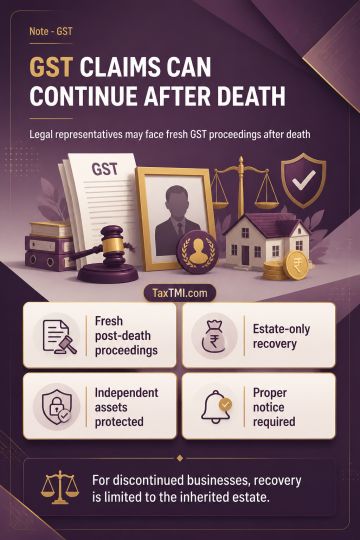
Post-death GST liability permits fresh proceedings against legal representatives, while discontinued-business recovery remains limited to the inherite...
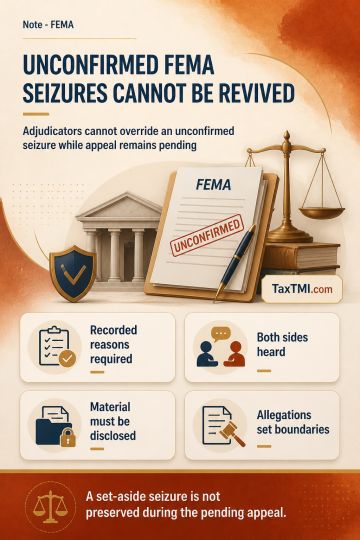
Non-confirmation of FEMA seizure prevents adjudicators from overriding pending appellate findings on recorded reasons and suspected foreign asset hold...
HC held that Provident Fund (PF) dues, comprising both employee and employer contributions, are not corporate debtor assets subject to insolvency resolution. The employer holds these funds in trust for employees, with statutory obligations under EPF Act. PF claims survive the resolution plan and remain payable, as they fall outside the Insolvency and Bankruptcy Code's scope. The court emphasized workers' dues primacy, determining that employer's PF contributions constitute a trust property for employees, irrespective of actual deposit in the fund account. Consequently, the petition was dismissed, affirming the respondents' right to claim PF dues.
HC held that Provident Fund (PF) dues, comprising both employee and employer contributions, are not corporate debtor assets subject to insolvency resolution. The employer holds these funds in trust for employees, with statutory obligations under EPF Act. PF claims survive the resolution plan and remain payable, as they fall outside the Insolvency and Bankruptcy Code's scope. The court emphasized workers' dues primacy, determining that employer's PF contributions constitute a trust property for employees, irrespective of actual deposit in the fund account. Consequently, the petition was dismissed, affirming the respondents' right to claim PF dues.
Note: It is a system-generated summary and is for quick reference only.
 TaxTMI
  TaxTMI