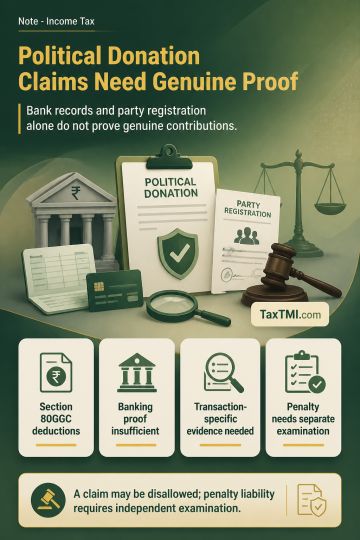
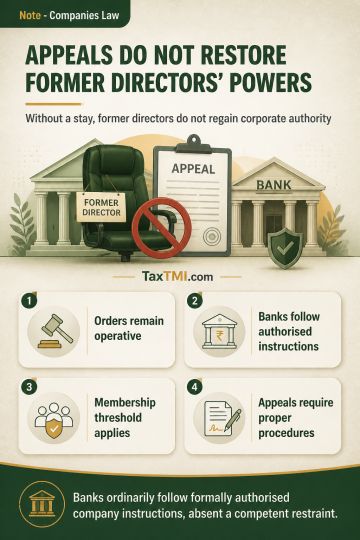
Political contribution deductions require genuine transactions; banking records and party registration alone cannot defeat evidence of accommodation e...
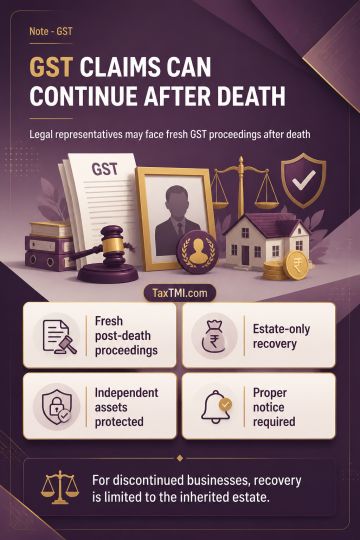
Post-death GST liability permits fresh proceedings against legal representatives, while discontinued-business recovery remains limited to the inherite...
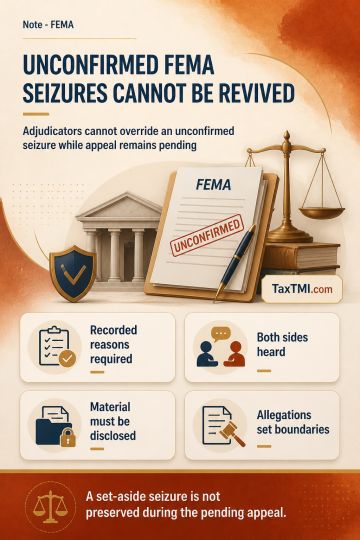
Non-confirmation of FEMA seizure prevents adjudicators from overriding pending appellate findings on recorded reasons and suspected foreign asset hold...
The SC held that digital KYC processes must be universally accessible for persons with disabilities. The Court issued comprehensive directions to RBI and other authorities to ensure inclusive digital infrastructure, mandating accessibility standards, alternative verification methods, and grievance redressal mechanisms. Key directives include developing accessible websites, providing sign language interpretation, allowing alternative identification methods, and establishing dedicated helplines. The ruling emphasizes digital access as a constitutional imperative under Article 21, requiring proactive state intervention to secure dignity and equal participation for marginalized populations. The writ petitions were disposed of without costs.
The SC held that digital KYC processes must be universally accessible for persons with disabilities. The Court issued comprehensive directions to RBI and other authorities to ensure inclusive digital infrastructure, mandating accessibility standards, alternative verification methods, and grievance redressal mechanisms. Key directives include developing accessible websites, providing sign language interpretation, allowing alternative identification methods, and establishing dedicated helplines. The ruling emphasizes digital access as a constitutional imperative under Article 21, requiring proactive state intervention to secure dignity and equal participation for marginalized populations. The writ petitions were disposed of without costs.
Note: It is a system-generated summary and is for quick reference only.
 TaxTMI
  TaxTMI