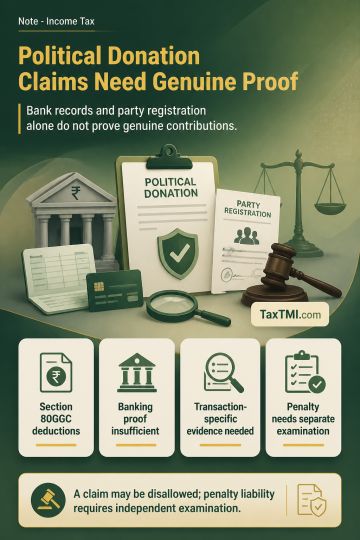
Political contribution deductions require genuine transactions; banking records and party registration alone cannot defeat evidence of accommodation e...
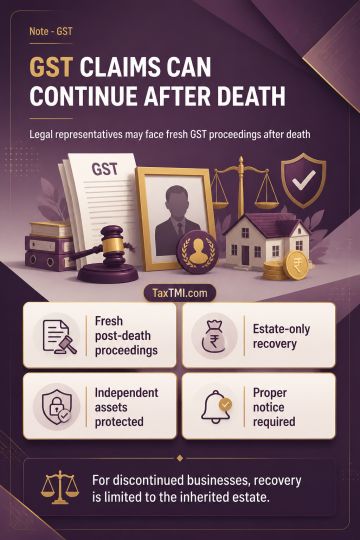
Post-death GST liability permits fresh proceedings against legal representatives, while discontinued-business recovery remains limited to the inherite...
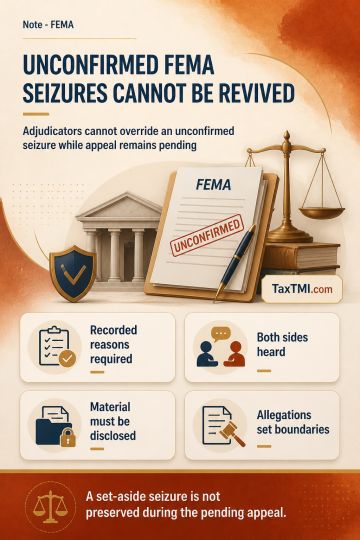
Non-confirmation of FEMA seizure prevents adjudicators from overriding pending appellate findings on recorded reasons and suspected foreign asset hold...
HC determined the initial cash seizure by state GST officers was unlawful, lacking statutory authority under CGST/SGST Act. The subsequent transfer of seized funds to Income Tax Department under Section 132A of IT Act could not legitimize the original illegal seizure. The court emphasized constitutional principles under Articles 265 and 300A protecting against unauthorized property expropriation and taxation. Neither GST Department nor Income Tax Department could retain the seized cash prior to completing their respective proceedings. The ruling reinforces fundamental constitutional safeguards against arbitrary state action in tax enforcement matters. Appeal resolved with direction to release seized funds pending completion of formal proceedings.
HC determined the initial cash seizure by state GST officers was unlawful, lacking statutory authority under CGST/SGST Act. The subsequent transfer of seized funds to Income Tax Department under Section 132A of IT Act could not legitimize the original illegal seizure. The court emphasized constitutional principles under Articles 265 and 300A protecting against unauthorized property expropriation and taxation. Neither GST Department nor Income Tax Department could retain the seized cash prior to completing their respective proceedings. The ruling reinforces fundamental constitutional safeguards against arbitrary state action in tax enforcement matters. Appeal resolved with direction to release seized funds pending completion of formal proceedings.
Note: It is a system-generated summary and is for quick reference only.
 TaxTMI
  TaxTMI