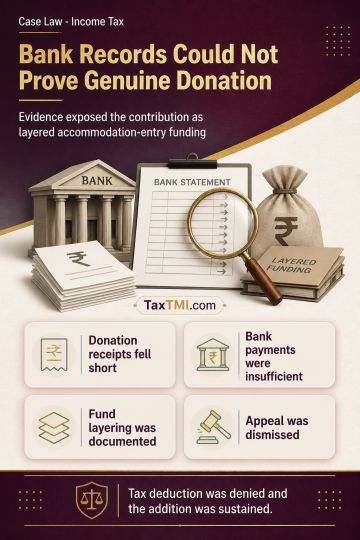
Human-probability test defeats political donation deduction where banking records mask accommodation-entry fund layering and evidence shows non-genuin...
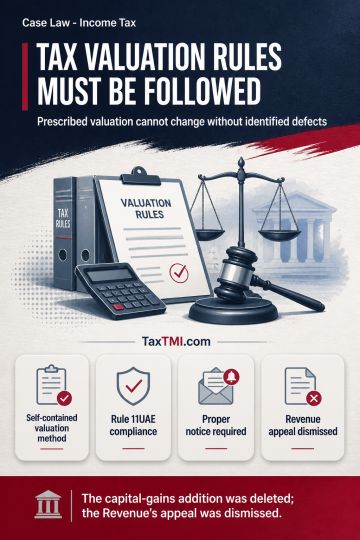
Commercial property status protects capital-gains exemption when residential-house ownership limits are tested, while agricultural-land character gove...
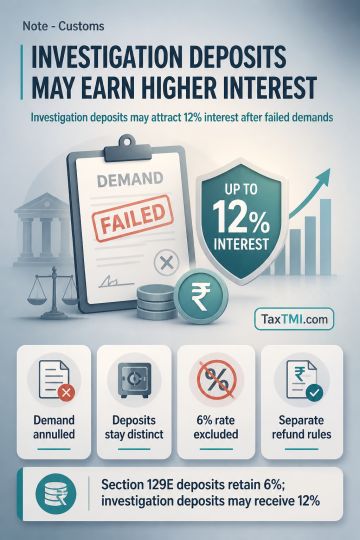
Investigation deposits refunded after failed customs demands fall outside the statutory appellate pre-deposit interest regime and may attract compensa...
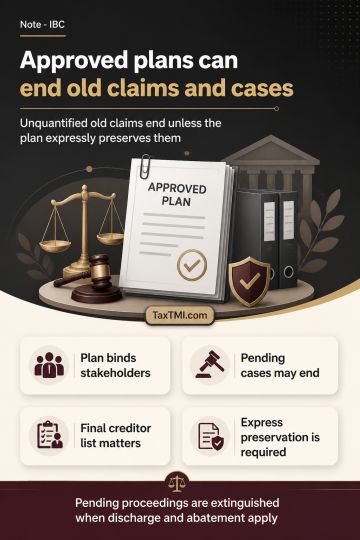
Resolution plan finality extinguishes unquantified operational-creditor claims and pending proceedings unless the approved plan expressly preserves th...
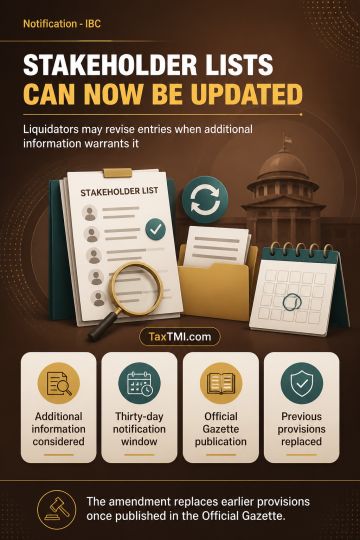
Stakeholder-list modification permits liquidators to update entries on new information, subject to notifying the Adjudicating Authority within prescri...
HC held that appellate authority lacks inherent power to condone delay beyond statutory limits under CGST Act Section 107. Appeals must be filed within three months of order communication, with discretionary one-month extension for sufficient cause under Section 107(4). Where legislation creates special limitation regime with terminal date, general provisions of Limitation Act do not apply. Appellate authority's condonation power is strictly confined to statutory framework. Appeals filed beyond combined four-month period (three months plus one month extension) under Section 107(1) and 107(4) were dismissed as time-barred. Court emphasized that statutory remedies must strictly adhere to prescribed limitation periods in special tax legislation.
HC held that appellate authority lacks inherent power to condone delay beyond statutory limits under CGST Act Section 107. Appeals must be filed within three months of order communication, with discretionary one-month extension for sufficient cause under Section 107(4). Where legislation creates special limitation regime with terminal date, general provisions of Limitation Act do not apply. Appellate authority's condonation power is strictly confined to statutory framework. Appeals filed beyond combined four-month period (three months plus one month extension) under Section 107(1) and 107(4) were dismissed as time-barred. Court emphasized that statutory remedies must strictly adhere to prescribed limitation periods in special tax legislation.
Note: It is a system-generated summary and is for quick reference only.
 TaxTMI
  TaxTMI
 of 4888