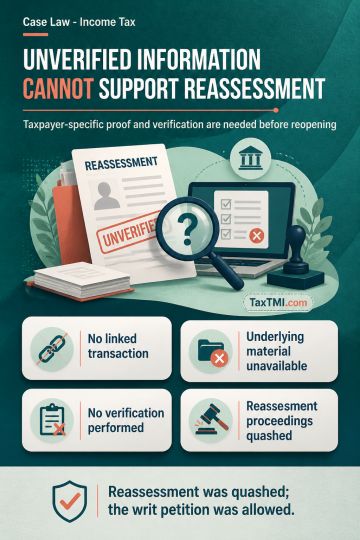
Unverified Insight Portal Information Cannot Justify Reassessment Without a Verified Taxpayer-Specific Income-Escape Nexus or Demonstrated Application...
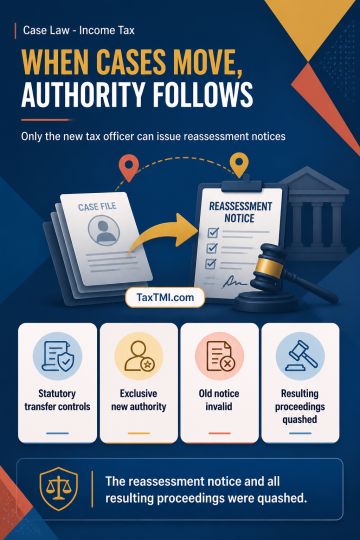
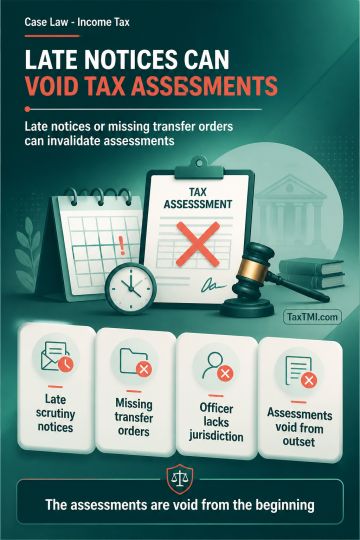
Assessing Officer jurisdiction after statutory transfer invalidates reassessment notices issued by transferor officers and nullifies resulting proceed...
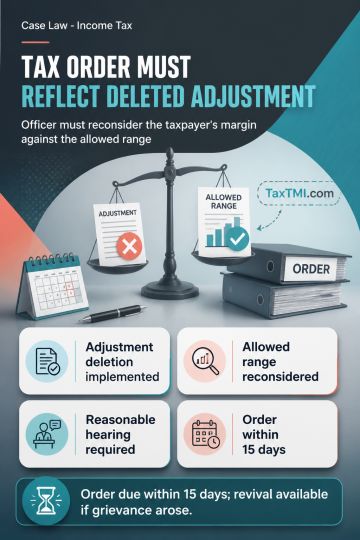
Consequential appeal-effect orders must implement rectification deleting working-capital adjustments and reconsider the resulting arm's-length range c...
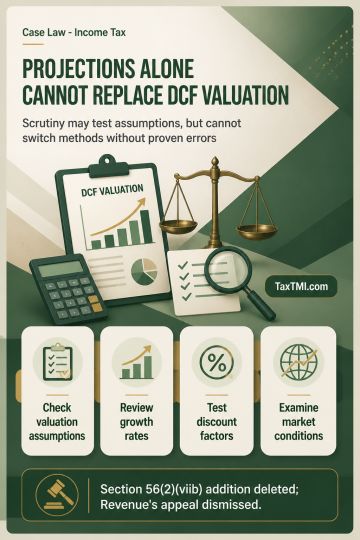
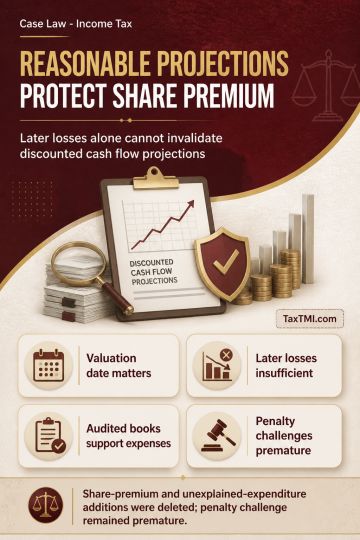
Discounted cash flow valuation protects share premium where projections are reasonable, while audited book expenses defeat unexplained-expenditure add...
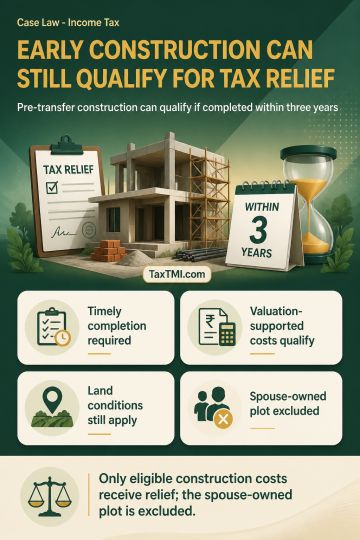
Section 54 construction relief survives pre-transfer commencement when completion occurs within the statutory period, excluding ineligible spouse-owne...
HC held that appellate authority lacks inherent power to condone delay beyond statutory limits under CGST Act Section 107. Appeals must be filed within three months of order communication, with discretionary one-month extension for sufficient cause under Section 107(4). Where legislation creates special limitation regime with terminal date, general provisions of Limitation Act do not apply. Appellate authority's condonation power is strictly confined to statutory framework. Appeals filed beyond combined four-month period (three months plus one month extension) under Section 107(1) and 107(4) were dismissed as time-barred. Court emphasized that statutory remedies must strictly adhere to prescribed limitation periods in special tax legislation.
HC held that appellate authority lacks inherent power to condone delay beyond statutory limits under CGST Act Section 107. Appeals must be filed within three months of order communication, with discretionary one-month extension for sufficient cause under Section 107(4). Where legislation creates special limitation regime with terminal date, general provisions of Limitation Act do not apply. Appellate authority's condonation power is strictly confined to statutory framework. Appeals filed beyond combined four-month period (three months plus one month extension) under Section 107(1) and 107(4) were dismissed as time-barred. Court emphasized that statutory remedies must strictly adhere to prescribed limitation periods in special tax legislation.
Note: It is a system-generated summary and is for quick reference only.
 TaxTMI
  TaxTMI
 of 4886