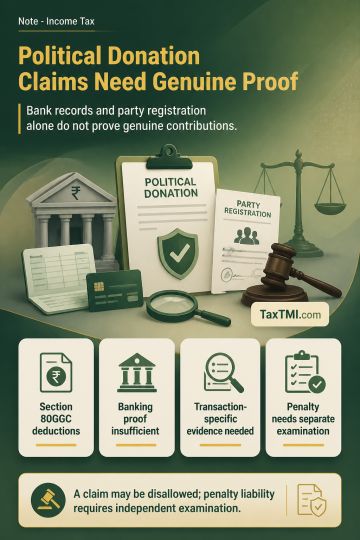
Political contribution deductions require genuine transactions; banking records and party registration alone cannot defeat evidence of accommodation e...
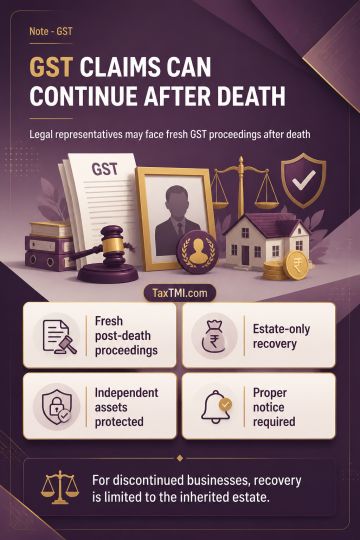
Post-death GST liability permits fresh proceedings against legal representatives, while discontinued-business recovery remains limited to the inherite...
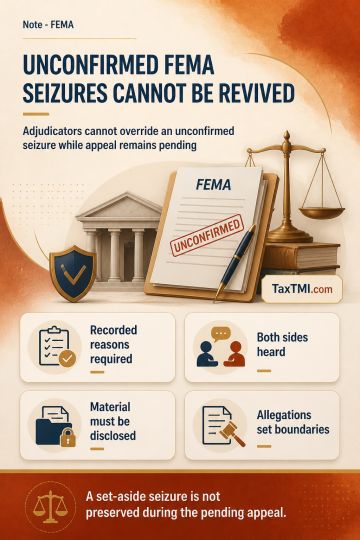
Non-confirmation of FEMA seizure prevents adjudicators from overriding pending appellate findings on recorded reasons and suspected foreign asset hold...
The High Court dismissed the petition challenging the requirement of pre-deposit of Rs. 10 crore for filing an appeal before the CESTAT u/s 35F of the Central Excise Act, 1944. The court held that it lacked discretion to grant a waiver or reduction in the pre-deposit amount, as it would be contrary to the legislative intent. The petitioner was directed to avail the alternative statutory remedy of filing an appeal before the CESTAT. The court observed that while considering a waiver, it must examine if the petitioner has a prima facie case likely to succeed, indicating no gross injustice, excessive demand contrary to facts, or perverse orders, coupled with blameless conduct. However, after examining the facts, the court found no merit to grant a waiver and dismissed the petition.
The High Court dismissed the petition challenging the requirement of pre-deposit of Rs. 10 crore for filing an appeal before the CESTAT u/s 35F of the Central Excise Act, 1944. The court held that it lacked discretion to grant a waiver or reduction in the pre-deposit amount, as it would be contrary to the legislative intent. The petitioner was directed to avail the alternative statutory remedy of filing an appeal before the CESTAT. The court observed that while considering a waiver, it must examine if the petitioner has a prima facie case likely to succeed, indicating no gross injustice, excessive demand contrary to facts, or perverse orders, coupled with blameless conduct. However, after examining the facts, the court found no merit to grant a waiver and dismissed the petition.
Note: It is a system-generated summary and is for quick reference only.
 TaxTMI
  TaxTMI